Ruqun Hanfu Buying Guide 2026

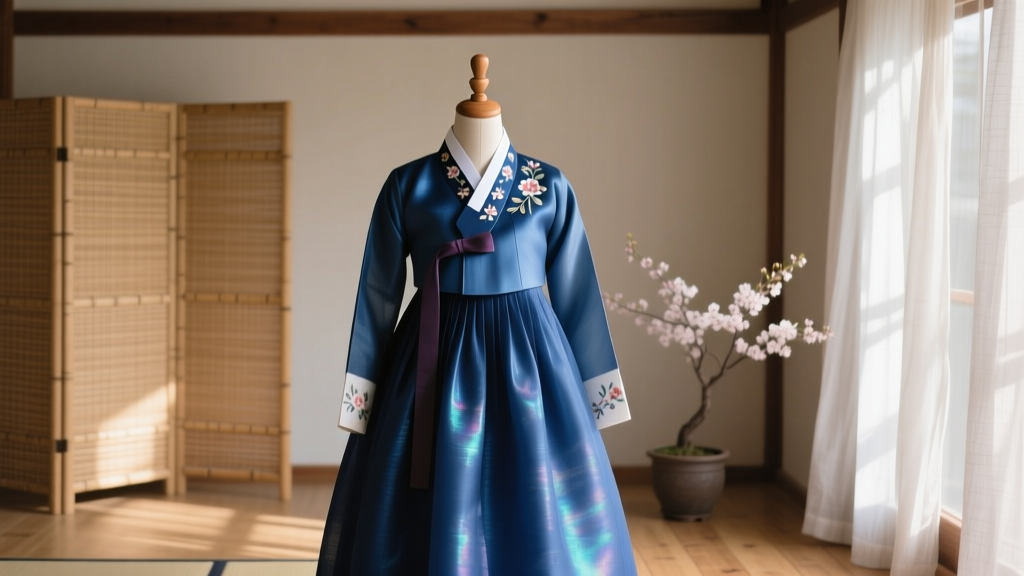
The resurgence of traditional Han Chinese clothing has transformed the global market, making the ruqun hanfu more accessible than ever in 2026. As the most foundational silhouette in Han dress history—comprising a top garment (ru) and a wrap skirt (qun)—the ruqun offers unparalleled versatility. However, navigating the influx of mass-produced costumes versus authentic, historically informed garments requires a discerning eye. This comprehensive buying guide decodes the anatomy, pricing, and sourcing of authentic ruqun hanfu for collectors, practitioners, and cultural enthusiasts.
Decoding the Silhouette: Anatomical Variations of the Ruqun
Before purchasing, buyers must understand that 'ruqun' is an umbrella term spanning multiple dynasties and structural variations. The primary distinction lies in the waistline placement, sleeve shape, and collar construction.
Jiaoling Qiyao (Cross-Collar Waist-High)
Rooted in the Han and Song dynasties, this style features a cross-collar top that wraps at the natural waist. The most critical cultural protocol here is Jiaoling Youren—the left lapel must always cross over the right. In traditional Chinese cosmology, left represents the living and yang energy, while right represents the deceased and yin. Reversing this is considered a severe cultural faux pas and is strictly reserved for burial garments.
Qixiong Ruqun (Chest-High)
Popularized during the Tang Dynasty, the skirt is tied high across the chest, just above the bust. This creates an elongated, elegant silhouette that does not restrict the natural waist. When buying Qixiong styles, look for skirts with robust inner ties and anti-slip silicone grips along the inner waistband, a modern innovation that prevents the heavy multi-paneled skirts from sliding down during wear.
Duijin Qiyao (Parallel-Collar)
Featuring a symmetrical, center-front opening, this style is often worn with an outer vest or left open to reveal a decorative under-layer. It is highly favored for summer wear due to its relaxed fit and ease of layering.
2026 Market Pricing: What Should You Actually Pay?
The hanfu market has stratified significantly over the last decade. Understanding the correlation between price, fabric composition, and historical accuracy is vital for avoiding overpriced synthetic costumes or underpriced, poorly constructed sets.
| Tier | Price Range (USD) | Fabric & Construction | Best For |
|---|---|---|---|
| Entry-Level / Mass Market | $35 - $75 | Polyester chiffon, basic jacquard. Machine-embroidered, fused interfacings. | First-time buyers, cosplay, casual festivals. |
| Mid-Tier / Enthusiast | $90 - $220 | Cotton-linen blends, viscose, light silk. Woven patterns, bound edges, reinforced seams. | Daily wear, cultural events, photography. |
| Artisan / High-End Custom | $300 - $800+ | 100% Mulberry silk (19-30 momme), real metal thread weaving (Zhuanghua). Hand-finished hems. | Collectors, weddings, museum-grade replication. |
Sourcing Authentic Ruqun: Trusted Vendors and Artisans
The epicenter of hanfu production remains in China, specifically in manufacturing hubs like Cao County (Shandong) for mass-market items, and Hangzhou or Suzhou for premium silks. However, global shipping and specialized agents have made sourcing easier for international buyers.
Navigating Taobao and Cross-Border Agents
For the widest selection and best prices, purchasing directly from Chinese e-commerce platforms via shopping agents (like Superbuy or CSSBuy) is the gold standard.
- Shisanyu (Thirteen Yu): A pioneer in the modern hanfu movement. They are renowned for their Song and Ming dynasty reproductions, offering exceptional mid-tier pricing ($80-$150) with historically accurate weaving patterns derived from museum archives.
- Tingyue Fengming: Specializes in ethereal, Tang and Wei-Jin dynasty aesthetics. Their Qixiong ruqun sets often feature intricate, multi-layered chiffon and organza, perfect for dramatic draping and outdoor photography.
- Zhongzheng Hanfu: Highly respected for formal Ruqun and Aoqun, utilizing premium jacquard weaves, meticulous tailoring, and heavy, structured skirts that hold their pleats beautifully.
Western-Based Boutiques for Faster Shipping
If navigating Chinese agents and language barriers is daunting, several Western-based vendors curate authentic sets with localized sizing guides and faster shipping.
- Pearl River Hanfu: Based in North America, they offer a curated selection of daily-wear ruqun with detailed English sizing charts, reliable customer service, and authentic brand partnerships.
- Hanfu-C: A global vendor that stocks a wide variety of entry-to-mid tier brands, offering bundled shipping options, seasonal sales, and beginner-friendly bundles.
Fabric Composition and Seasonal Selection
Traditional Chinese tailoring relies heavily on the drape of the fabric rather than structural darts. According to textile archives at the China Silk Museum in Hangzhou, the historical evolution of the ruqun is intrinsically linked to the development of regional sericulture and ramie weaving.
- Spring/Autumn: Look for cotton-linen blends, raw silk (Tussah), and medium-weight jacquard. These provide structure for the pleats of a poqun (multi-paneled skirt) without adding excessive bulk at the waist.
- Summer: Ramie linen and high-grade mulberry silk (under 16 momme) are essential. Ramie is a historically accurate, breathable bast fiber that has been used in Southern China for millennia, offering a crisp drape that keeps the wearer cool.
- Winter: While traditional ruqun is primarily a warm-weather silhouette, modern practitioners layer with padded bijia (vests) or opt for heavy wool-blend skirts paired with thick, lined cross-collar tops made from brushed cotton or velvet.
Sizing, Fit, and the 'Flat-Cutting' Protocol
Western buyers often struggle with hanfu sizing because traditional garments utilize pingmian caijian (flat pattern cutting). Unlike Western tailoring, which uses darts and curved seams to contour the body, hanfu is cut from flat rectangular panels.
Because of this, the 'fit' is entirely dependent on how the garment is wrapped and tied. When consulting size charts on Taobao, ignore Western dress sizes. Instead, focus on three critical measurements:
- Bust/Chest Width: Ensure the top garment has at least 4 to 6 inches of ease beyond your actual bust measurement to allow for proper cross-collar overlap and comfortable movement.
- Skirt Length: Hanfu skirts are meant to graze the floor or cover the ankles completely. Measure from your natural waist (for Qiyao) or underbust (for Qixiong) down to the floor while wearing your intended shoes.
- Sleeve Span: Traditional sleeves can be remarkably wide. 'Pipa' sleeves are tapered and practical for daily wear, while 'Guangxiu' (wide sleeves) offer dramatic elegance but require constant management and are best reserved for formal events.
The Mathematics of the Poqun Skirt
When shopping for the qun (skirt) portion of your ruqun, you will frequently encounter the term poqun. This refers to a skirt constructed from multiple trapezoidal panels sewn together to create a natural flare without the need for gathered waistbands. A standard Song dynasty poqun might feature 12 panels, while more elaborate versions can feature up to 24 or 32 panels. The higher the panel count, the more mathematically precise the tailoring must be to ensure the hem lies perfectly flat. When buying a high-panel poqun, always check vendor reviews for photos of the hemline; uneven hems are a hallmark of rushed, mass-market production.
Cultural Stewardship and Wearing Etiquette
As the hanfu movement transitions from a niche subculture to a globally recognized expression of Chinese heritage, buyers bear a responsibility of cultural stewardship. Institutions like the Victoria and Albert Museum emphasize the importance of understanding the socio-historical context of Asian textiles and dress. When wearing your ruqun hanfu, ensure your collar is correctly crossed (left over right), tie your sashes securely but comfortably, and pair the garment with appropriate traditional footwear, such as cloud-toe shoes or minimalist leather flats.
By investing in well-constructed, historically respectful garments, you support the artisan cooperatives and weavers keeping these ancient textile traditions alive in the modern era. Whether you are purchasing a simple cotton-linen Jiaoling set for daily wear or commissioning a bespoke silk Qixiong for a wedding, understanding the deep cultural roots of the ruqun hanfu ensures your wardrobe is as meaningful as it is beautiful.