Traditional Chinese Clothing Mens: An Event & Occasion Guide

Navigating Heritage: The Modern Man’s Guide to Chinese Sartorial Traditions
The global resurgence of heritage menswear has brought profound attention to the rich tapestry of Asian garments. When curating a wardrobe of traditional Chinese clothing mens styles, one must look beyond mere aesthetics and understand the deep cultural protocols, historical lineages, and occasion-specific rules that govern these garments. From the scholarly elegance of the Ming dynasty to the structured formality of the Qing era, Chinese menswear is a language of respect, status, and cultural continuity.
This comprehensive occasion guide decodes the complexities of men’s traditional Chinese garments, providing actionable frameworks for weddings, Lunar New Year celebrations, tea ceremonies, and cultural festivals. Whether you are a groom seeking authentic wedding attire or a participant in the modern Hanfu movement, understanding the intersection of fabric, construction, and event etiquette is paramount.
The Golden Rule of Sartorial Etiquette: Jiaoling Youren
Before selecting a garment for any event, every man must understand the most critical rule of traditional Chinese clothing: the lapel orientation. Known as Jiaoling Youren (交领右衽), this principle dictates that the left lapel must always cross over the right lapel, securing on the right side of the body.
'Without Guan Zhong, we would wear our hair unbound and fold our robes to the left.' — Confucius, The Analects
In traditional Han Chinese culture, folding the right lapel over the left (Zuoren) is strictly reserved for the deceased or was historically used to denote 'uncivilized' tribes. Wearing a robe right-over-left at a joyous occasion like a wedding or festival is considered highly inauspicious and deeply disrespectful. When purchasing or tailoring cross-collared garments like the Shenyi or Daopao, always verify the lapel construction to ensure it honors this millennia-old living tradition.
Matching the Garment to the Occasion
Different events demand distinct silhouettes, fabrics, and historical references. Below is a breakdown of the primary garments suited for specific male-centric occasions.
1. Lunar New Year & Spring Festivals: The Tangzhuang and Magua
For Lunar New Year banquets and community festivals, the Tangzhuang (唐装) is the most ubiquitous choice. Despite its name suggesting a Tang dynasty origin, the modern Tangzhuang is actually a 20th-century adaptation of the Qing dynasty Magua (riding jacket). It features a Mandarin collar, central or off-center frog buttons (Pankou), and is typically crafted from silk brocade featuring auspicious motifs like dragons, plum blossoms, or the 'Fu' (fortune) character.
Styling Protocol: Pair a burgundy or navy silk Tangzhuang with tailored, straight-leg black trousers and leather loafers. Avoid wearing it with jeans, as the juxtaposition diminishes the formality of the festive occasion.
2. Traditional Weddings & Tea Ceremonies: The Changshan
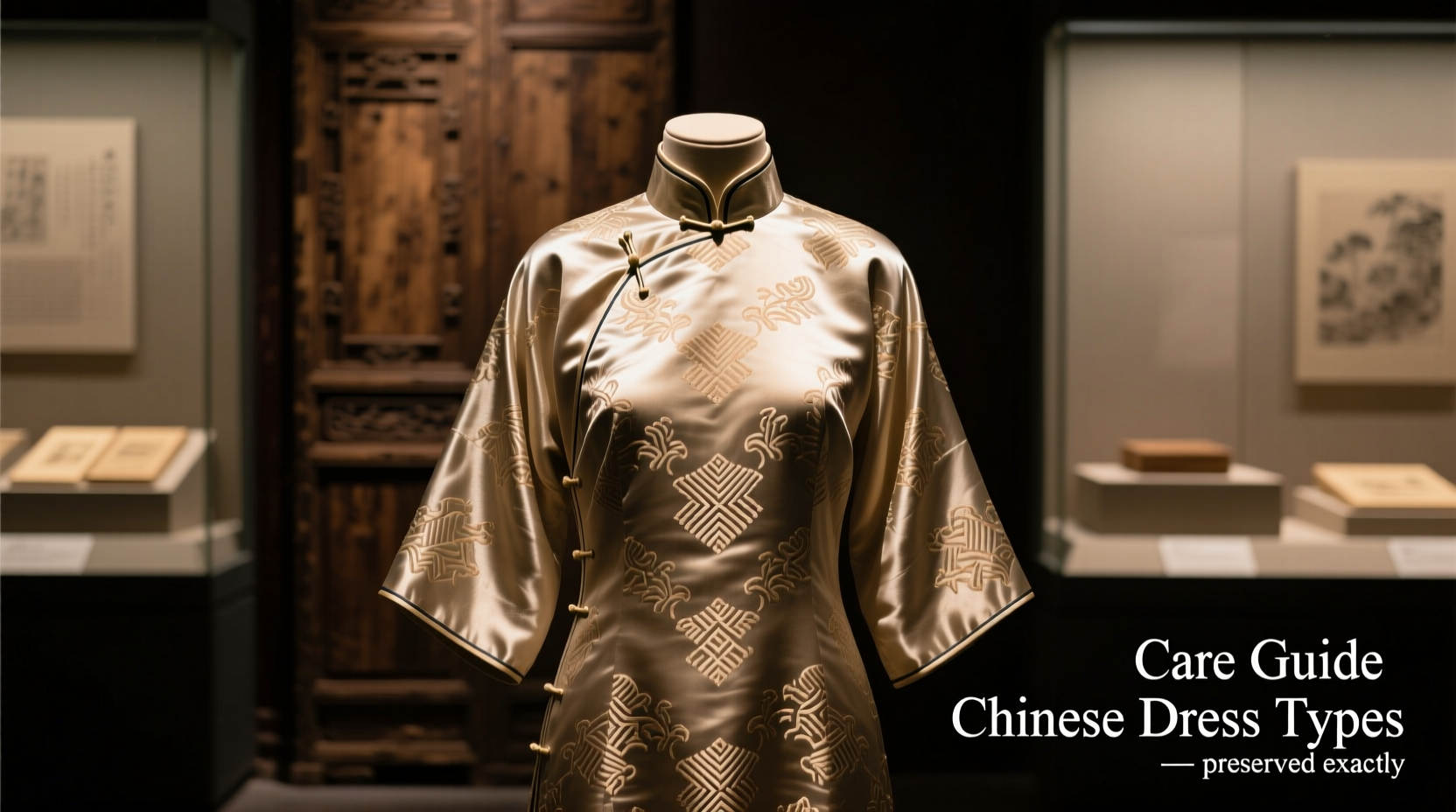
For grooms participating in traditional tea ceremonies or formal ancestral rites, the Changshan (长衫) is the gold standard. Translating to 'long shirt,' the Changshan is a full-length gown that evolved from the Qing dynasty qizhuang (banner dress). It features a high Mandarin collar, side slits for ease of movement, and intricate knotted Pankou closures.
According to the Victoria and Albert Museum's archives on Chinese dress, the side slits originally served equestrian functions but later became markers of civilian and scholarly elegance. For a wedding, grooms often layer a shorter, contrasting Magua over the Changshan, creating a dignified two-piece ensemble. Crimson, deep plum, and gold-threaded jacquard are the preferred fabrics for matrimonial events.
3. Cultural Festivals & The Hanfu Movement: The Daopao and Feiyu Fu
For men participating in the contemporary Hanfu movement, attending lantern festivals, or visiting historical sites, pre-Qing dynasty Hanfu styles are the most culturally resonant. Two standout garments include:
- The Daopao (道袍): A Ming dynasty scholar’s robe characterized by its cross-collar and hidden inner side panels (anbai). These panels provide modesty and a sweeping, voluminous silhouette when walking. It is ideal for tea ceremonies, calligraphy exhibitions, and solemn cultural rites.
- The Feiyu Fu (飞鱼服): Translating to 'Flying Fish Garment,' this was a ceremonial uniform granted to imperial guards during the Ming dynasty. Featuring dramatic woven patterns of the mythical 'feiyu' (a dragon-like fish), it is a show-stopping choice for major cultural parades and photography events.
For deeper historical context on Ming and Qing textile regulations, the Metropolitan Museum of Art’s Heilbrunn Timeline offers extensive documentation on how sumptuary laws dictated who could wear specific animal motifs and silk weaves.
Fabric, Construction, and Seasonality Matrix
Selecting the correct textile is vital for both comfort and cultural accuracy. Traditional Chinese menswear relies heavily on natural fibers, with the weave indicating the formality of the event.
| Occasion | Primary Garment | Recommended Fabric | Estimated Price Range (USD) |
|---|---|---|---|
| Lunar New Year Banquet | Tangzhuang (Jacket) | Silk Brocade, Jacquard | $45 - $120 |
| Wedding Tea Ceremony | Changshan (Long Gown) | Heavy Silk Satin, Mulberry Silk | $180 - $450 |
| Spring Festival / Casual | Hanfu Ruqun / Yishan | Linen, Ramie, Cotton | $60 - $150 |
| Formal Cultural Rites | Ming Daopao | Silk Crepe, Woven Brocade | $150 - $400+ |
| Summer Outdoor Events | Bamboo-fiber Changshan | Bamboo Linen Blends | $80 - $200 |
Note: Prices reflect authentic, tailor-made or high-quality ready-to-wear pieces from specialized heritage brands, excluding mass-produced costume-grade polyester alternatives.
Sourcing Authentic Menswear: Avoiding the 'Costume' Trap
When sourcing traditional Chinese clothing mens styles, the market is flooded with cheap, synthetic costumes designed for theatrical use. To build a respectful, high-quality wardrobe, buyers must prioritize artisan cooperatives and specialized heritage tailors.
Look for garments that feature hand-tied Pankou (frog buttons). Mass-market jackets often use plastic molds or glued knots, whereas authentic tailors use tightly rolled silk or cotton cords that are both durable and historically accurate. Furthermore, examine the seam allowances and lining. A genuine Changshan or Daopao will feature fully finished inner seams, often lined with breathable cotton or cupro to protect the delicate outer silk from body oils.
For those seeking bespoke pieces, tailors in Shanghai and Hong Kong still practice the traditional cutting methods that accommodate the natural slope of the shoulders without relying on Western-style darts, preserving the flat, geometric construction intrinsic to traditional Chinese pattern-making. The Palace Museum in Beijing frequently hosts exhibitions on these historical cutting techniques, highlighting the ingenuity of traditional zero-waste pattern drafting.
Footwear and Accessories: Completing the Ensemble
An authentic garment can be instantly undermined by incorrect footwear. The structural diversity of Chinese menswear requires specific grounding elements:
- For Changshan and Tangzhuang: Opt for minimalist leather loafers, velvet slip-ons, or traditional cloth boots with layered cotton soles. Avoid chunky modern sneakers or highly ornamented Western oxfords.
- For Hanfu (Daopao/Feiyu Fu): Traditional cloud-toe shoes (Yuntouxie) or leather boots with upturned toes are historically appropriate. Modern men often substitute these with clean, unbranded leather derby shoes in black or dark brown.
- Accessories: A jade pendant (Yupei) tied to the waist sash is a classic marker of scholarly refinement. For winter events, a silk-lined skullcap or a simple felt fedora (in the style of 1930s Shanghai intellectuals) pairs beautifully with the Changshan.
Final Thoughts on Cultural Respect
Wearing traditional Chinese clothing is an act of cultural participation and respect. By understanding the profound differences between a Qing-era Changshan and a Ming-era Daopao, and by adhering to the vital Jiaoling Youren etiquette, modern men can honor these living traditions. Whether attending a vibrant Spring Festival or an intimate family tea ceremony, the right garment serves as a bridge between the ancestors and the present day.