Traditional Chinese Clothing for Men: Occasion & Event Guide

The Renaissance of Menswear: Navigating Traditional Chinese Clothing
The global resurgence of heritage menswear has brought traditional Chinese clothing for men into the spotlight, transitioning these garments from theatrical costumes and museum archives into living, breathing sartorial choices. Driven by the Hanfu Yundong (Hanfu movement) and a renewed appreciation for Qing and Republic-era tailoring, modern men are increasingly adopting historical silhouettes for weddings, cultural festivals, and formal banquets. However, navigating the complex hierarchy of Chinese menswear requires more than just an eye for aesthetics; it demands an understanding of historical context, regional variations, and strict cultural protocols.
This comprehensive occasion guide decodes the primary silhouettes of traditional Chinese menswear, offering actionable styling advice, fabric recommendations, and etiquette rules to ensure you dress with both elegance and cultural respect.
Decoding the Silhouettes: Key Garments for Men
Hanfu: The Ancient Roots (Pre-1644)
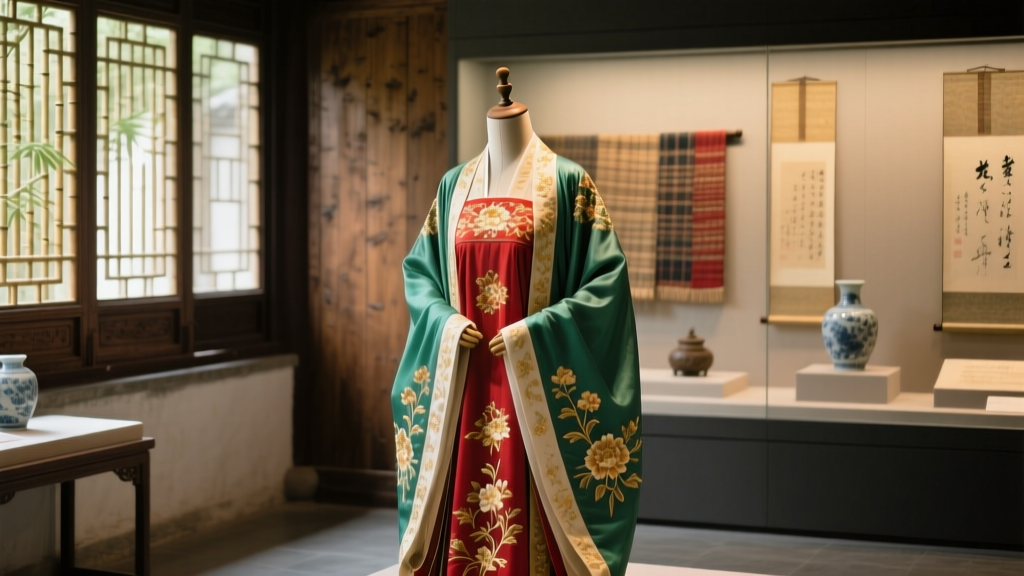
Hanfu encompasses the historical dress of the Han Chinese, spanning over three millennia until the mid-17th century. For modern formal events, two silhouettes dominate menswear:
- The Shenyi (深衣): A "deep robe" that connects the upper and lower garments into a single piece. The formal Zhuzi Shenyi features 12 fabric panels in the skirt, symbolizing the 12 months of the year. It is heavily favored for ancestral worship and coming-of-age ceremonies.
- The Daopao (道袍): Translating to "Taoist robe," this was actually the standard everyday and scholarly garment for men during the Ming Dynasty (1368–1644). It features a cross-collar, wide sleeves, and distinctive internal side panels (anbai) that swing outward when walking, creating a dignified, structured drape.
- The Feiyufu (飞鱼服): The "Flying Fish" robe. Originally an elite uniform bestowed by the Ming Emperor to the Jinyiwei (Embroidered Uniform Guard), its striking python-like dragon motifs and pleated side skirts make it the ultimate statement piece for modern grooms.
Changshan & Magua: The Qing Dynasty Legacy (1644–1912)
Following the Manchu conquest, the sartorial landscape shifted dramatically. The Changshan (long gown) became the defining garment for Chinese men, characterized by its high mandarin collar, narrow sleeves, and side slits for horseback riding. For formal events, the Changshan is layered with a Magua (riding jacket), which falls to the waist and fastens with intricate knotted frog buttons (pankou). According to The Metropolitan Museum of Art, the integration of Manchu tailoring with Han Chinese textile traditions during this era resulted in some of the most elaborate silk brocades in global textile history.
Tangzhuang: The Modern Festive Standard
Despite its name, the Tangzhuang (Tang suit) does not originate from the Tang Dynasty. It is a modern hybrid created in the late 20th century, blending the Manchu Magua jacket with Western shoulder tailoring. Popularized globally during the 2001 APEC Summit, the Tangzhuang is the most accessible and widely recognized traditional Chinese clothing for men today, serving as the default choice for Lunar New Year celebrations and diaspora community events.
The Occasion Matrix: What to Wear and When
Selecting the correct garment requires matching the historical weight of the clothing to the significance of the event. Use the framework below to guide your sartorial choices.
| Occasion | Recommended Garment | Fabric & Color Palette | Cultural Protocol & Styling |
|---|---|---|---|
| Wedding (Groom) | Ming-style Feiyufu or Qing-style Changshan/Magua | Heavy silk brocade; Crimson, Navy, or Gold embroidery | Wear a traditional scholar's hat (Futou). Avoid all-white or all-black ensembles. |
| Lunar New Year | Tangzhuang or modernized Hanfu Daopao | Wool blends or cotton brocade; Red, Burgundy, Plum | Keep the silhouette relaxed. Pair with modern leather loafers or cloth shoes. |
| Ancestral Worship / Qingming | Zhuzi Shenyi or plain Changshan | Unpatterned Linen or Cotton; Muted Blue, Grey, Black | Strict adherence to modesty. Avoid flashy accessories or loud colors. |
| Tea Ceremony / Banquet | Yuanlingpao (Round Collar Robe) | Xiangyunsha silk or lightweight linen; Earth tones, Jade | Ensure sleeves are neatly folded or tied back when handling tea wares. |
| Martial Arts / Tai Chi | Duanhe (Short garment) and Kuzhe (Trousers) | Breathable cotton or hemp; White, Indigo, Black | Prioritize mobility. Fasten with a simple fabric sash rather than rigid belts. |
Sartorial Rules and Cultural Protocols
The Golden Rule of the Lapel: Jiaoling Youren
The most critical rule in wearing Hanfu and traditional cross-collar garments is Jiaoling Youren (交领右衽)—the left lapel must always cross over the right lapel, forming a "y" shape at the collar. In traditional Chinese cosmology, the left represents Yang (life, light, the living), while the right represents Yin (death, dark, the underworld). Wrapping the right lapel over the left (zuoren) is strictly reserved for dressing the deceased for burial. Wearing it incorrectly at a festive event is considered a profound cultural faux pas and an ill omen.
Color Symbolism in Menswear
While modern fashion embraces all colors, traditional events still observe historical color codes. Red is universally auspicious and mandatory for grooms. However, men often opt for deeper, more masculine interpretations of red, such as oxblood, maroon, or dark crimson. Black and dark navy, historically associated with scholars and officials, project authority and are ideal for formal banquets. Pure white remains heavily associated with mourning and funerals in traditional contexts; if wearing white for a summer tea ceremony, ensure it is offset with vibrant jade accessories or a colored sash to avoid funerary connotations.
Sourcing and Pricing: A Buyer’s Framework
Investing in traditional Chinese clothing for men requires an understanding of the textile market. The China National Silk Museum highlights the immense labor required for heritage weaving techniques, which directly impacts pricing. When shopping, categorize your budget into three distinct tiers:
1. Entry-Level & Festive Wear ($40 – $90 USD)
At this tier, you will primarily find Tangzhuang jackets and mass-produced Hanfu made from polyester blends, rayon, or basic cotton. These garments are suitable for annual events like Lunar New Year or cultural performances. Look for reinforced pankou (frog buttons), as machine-made knots tend to unravel after a few wears.
2. Mid-Tier & Enthusiast Grade ($120 – $350 USD)
This is the sweet spot for serious cultural practitioners. Garments in this range utilize natural fibers like raw linen, mulberry silk blends, and heavy cotton twill. You will find historically accurate patterning, such as the internal anbai panels in a Daopao, and hand-finished collars that sit stiffly against the neck. Artisan cooperatives on platforms like Taobao and specialized global boutiques dominate this space.
3. Bespoke & Heritage Textiles ($500 – $1,500+ USD)
For weddings or lifetime investments, buyers turn to heritage textiles. The pinnacle of this is Xiangyunsha (香云纱), or "Fragrant Cloud Silk." Originating from Guangdong province, this intangible cultural heritage fabric is dyed using the juice of the薯莨 (Shuliang) yam and coated in iron-rich river mud, resulting in a waterproof, rustling silk that feels like liquid leather. A bespoke Changshan or Ming-style robe crafted from authentic Xiangyunsha or Song Dynasty-style brocade (Song Jin) requires custom measurements and months of loom time. According to textile archives at the Victoria and Albert Museum, the preservation of these complex jacquard weaving techniques is vital to maintaining the structural integrity of historical menswear silhouettes.
Final Thoughts on Modern Integration
Wearing traditional Chinese clothing for men in the 21st century is an exercise in cultural continuity. Whether you are donning a Ming Dynasty scholar's robe for a wedding or a tailored Tangzhuang for a family reunion, the key to pulling off these garments lies in confidence and respect for their underlying architecture. Pay attention to the drape of the sleeves, the alignment of the lapel, and the quality of the silk, and you will honor a sartorial lineage that has evolved over thousands of years.