Regional Variations in Traditional Chinese Clothing Substyles

The Geography of Silk and Thread: Understanding China's Sartorial Divide
When Western media and global fashion houses depict traditional Chinese clothing, they frequently default to a monolithic silhouette—often a mid-century qipao or a generic Qing-dynasty robe. However, treating the sartorial history of China as a single entity ignores the vast geographic, climatic, and cultural diversity of the region. True appreciation of traditional Chinese clothing requires an understanding of its regional variations and hyper-local substyles. From the heavy, insulated brocades of the northern plains to the breathable, mud-dyed gauzes of the subtropical south, geography has always dictated the loom.
China’s historical garment traditions are deeply tied to the concept of fengtu (local customs and earth). The availability of raw materials, the humidity of the air, and the historical presence of imperial courts versus merchant hubs created distinct sartorial dialects. To build a culturally accurate wardrobe or to study Asian textile history, one must look beyond the imperial center and explore the regional substyles that define the living heritage of Chinese dress.
The Hanfu Latitude Divide: Northern Brocades vs. Southern Gauze
The modern Hanfu revival movement has done remarkable work in reconstructing historical garments, but it is crucial to recognize the climatic adaptations inherent in historical Han dress. The silhouette of the Mamianqun (horse-face skirt) and the Aoqun (jacket and skirt ensemble) shifted dramatically depending on the latitude.
Northern Weight and Imperial Structure
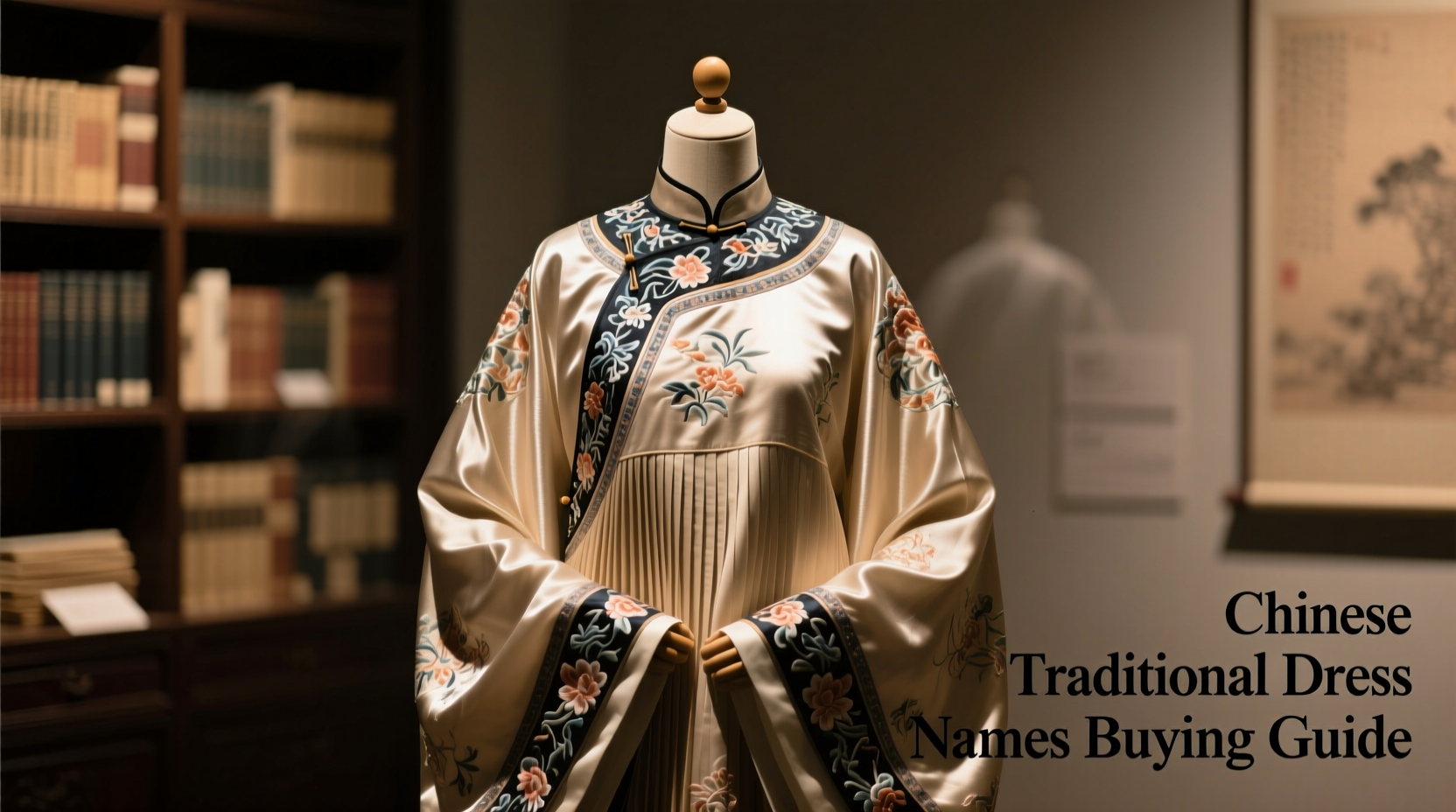
In the northern capitals of Beijing and Nanjing, winters are biting and harsh. Historical garments from these regions, particularly during the Ming Dynasty, relied on structural layering and heavy textiles. The Yunjin (cloud brocade) of Nanjing, a UNESCO Intangible Cultural Heritage, was a staple for northern nobility. Woven with peacock feather threads, gold leaf, and heavy mulberry silk, Yunjin garments provided both insulation and rigid, architectural silhouettes. Northern Hanfu substyles often featured high, standing collars lined with white silk, and sleeves that were intentionally wide and heavily padded to trap body heat.
The Lingnan Climate and Xiangyunsha Silk
Travel south to the Lingnan region (modern-day Guangdong and Guangxi), and the textile paradigm shifts entirely. The oppressive humidity and subtropical heat necessitated fabrics that cooled the skin. Here, artisans developed Xiangyunsha (gambiered Guangdong gauze). According to the China National Silk Museum, this unique textile is created by soaking silk in the juice of the wild yam, then coating it in iron-rich river mud from the Pearl Delta. The resulting chemical reaction creates a dark, lacquer-like finish on one side and a matte brown on the other. Xiangyunsha is naturally antibacterial, water-resistant, and incredibly cool against the skin, making it the premier fabric for southern Hanfu variations, which favored lighter, unlined Ruqun (blouse and skirt) styles with wider, flowing hemlines to encourage air circulation.
The Qipao Dialects: A Tale of Three Cities
While the Hanfu represents ancient and medieval traditions, the qipao (or cheongsam) is the defining garment of early 20th-century Chinese modernity. Yet, the qipao was never a uniform garment. During the Republican era (1912–1949), three distinct regional substyles emerged, reflecting the unique social fabrics of Beijing, Shanghai, and Guangzhou.
| Substyle | Region | Silhouette & Tailoring | Primary Fabrics & Motifs | Cultural Context |
|---|---|---|---|---|
| Jingpai (Beijing Style) | Northern China | Looser, A-line, dropped shoulders, lower collar. | Heavy brocades, velvet; elaborate phoenix and dragon embroidery. | Favored by scholars, nobility, and conservative elites; prioritized modesty and tradition. |
| Haipai (Shanghai Style) | Eastern Coast | Form-fitting, Western darts, set-in sleeves, high stiff collar, high slits. | Lightweight printed silks, lace, crepe; geometric and floral Art Deco motifs. | Born in cosmopolitan Shanghai; embraced Western tailoring and the modern, active woman. |
| Yuepai (Cantonese Style) | Southern China | Shorter hemlines, relaxed bodice, practical sleeve lengths. | Cotton, linen, lightweight rayon; subtle tonal patterns. | Adapted for the heat and the active, merchant-class lifestyle of Guangzhou and Hong Kong. |
The Haipai Revolution in Tailoring
The Haipai (Shanghai style) qipao is the version most familiar to global audiences, largely due to its cinematic portrayal. However, its construction is a masterclass in East-West sartorial synthesis. As documented by the Victoria and Albert Museum's Asian collections, Shanghai tailors introduced Western bust darts, waist shaping, and the shuijin (water-willow) hem technique to ensure the skirt draped flawlessly over the hips. The collar, reinforced with stiff interlining, was designed to elongate the neck, a hallmark of 1930s Shanghai glamour.
Jingpai and the Preservation of Lineage
Conversely, the Jingpai (Beijing style) resisted Western body-contouring. Beijing tailors maintained the traditional flat-pattern cutting method, where the front and back panels were cut from a single piece of fabric without shoulder seams. This preserved the integrity of the fabric's continuous embroidery and maintained a modest, columnar silhouette that aligned with the conservative values of the northern political elite.
Hyper-Local Folk Dress: Beyond the Imperial Court
To truly grasp the depth of traditional Chinese clothing, one must look past the Han majority's courtly garments and examine the highly specific, utilitarian folk dress of regional subcultures. These garments were born not from imperial edicts, but from the harsh realities of coastal and agrarian labor.
The Hui'an Women of Fujian
On the rugged coast of Hui'an County in Fujian Province, the local Han women developed a folk dress so unique it has been the subject of extensive anthropological study. Known colloquially by the poetic phrase "feudal head, democratic belly, socialist waist," the Hui'an ensemble features brightly colored, cropped jackets that expose the midriff, paired with voluminous, wide-legged black trousers. The exposed waist is adorned with heavy, intricate silver chains and belts, which historically served as a portable form of wealth and dowry. The headwear consists of vibrant floral headscarves and conical hats, designed to protect against the harsh coastal sun and sea spray while hauling fishing nets.
Hakka Indigo and the Liangmao
The Hakka people, a Han subgroup with a history of migration to the mountainous southern provinces, developed a highly practical, agrarian substyle. Hakka traditional clothing relies heavily on indigo-dyed ramie and cotton, which are naturally insect-repellent and durable enough for mountain farming. The most iconic accessory is the Liangmao, a wide-brimmed sun hat surrounded by a dangling black cotton fringe. This fringe protected the wearer's neck and face from sunburn and insects while working in the terraced rice paddies. Today, artisan cooperatives in Ganzhou are reviving these natural indigo fermentation vats, preserving a textile lineage that predates synthetic dyes by centuries.
"A garment is not merely a covering; it is a map of the land it was born from. The mud of the Pearl River, the frost of the Northern Steppes, and the salt of the Fujian coast are all woven into the seams of China's regional dress." — Curatorial notes from the Shanghai History Museum textile archives.
A Collector’s Guide to Sourcing Regional Garments
For collectors, cultural enthusiasts, and those seeking authentic traditional Chinese clothing, understanding these regional substyles is vital for making informed purchases. The market is flooded with mass-produced, synthetic "costumes" that erase regional nuances. Here is a practical framework for sourcing authentic pieces:
- Bespoke Haipai Qipao (Shanghai): True Shanghai tailoring requires multiple fittings. Expect to pay between $800 and $2,500 USD for a bespoke garment from master tailors operating in Shanghai's Former French Concession or specialized boutiques in Hong Kong. Insist on French seams and hand-rolled hems.
- Authentic Xiangyunsha Hanfu (Guangdong): Genuine gambiered gauze is an expensive, labor-intensive intangible heritage craft. A verified Xiangyunsha Mamianqun will typically cost between $400 and $1,200 USD. The fabric should have a distinct, subtle crackling sound when moved and a rich, dual-toned color. Beware of chemically printed imitations sold for under $100.
- Hakka Indigo Textiles: When sourcing Hakka-inspired agrarian wear, look for cooperatives in Jiangxi and Fujian that use natural plant-based indigo (Polygonum tinctorium). Hand-woven ramie jackets generally range from $150 to $350 USD. The scent of natural indigo is earthy and slightly grassy, unlike the sharp chemical smell of synthetic vat dyes.
- Vintage Jingpai Robes: For collectors of 1920s-1930s Beijing-style qipao, auction houses and specialized antique textile dealers are the best sources. Due to the heavy use of metallic threads and delicate silks, condition reports are critical. Prices for museum-quality vintage Jingpai pieces often start at $3,000 USD and can exceed $15,000 for imperial-linked provenance.
By moving beyond the homogenized view of Asian dress and embracing the regional variations of traditional Chinese clothing, we honor the diverse climates, histories, and artisans that shaped one of the world's most profound sartorial legacies. Whether you are studying the structural engineering of a Northern brocade or the fluid drape of Southern gauze, the geography of China remains its greatest tailor.