What Is Chinese Traditional Dress Called? 2026 Buyer's Guide
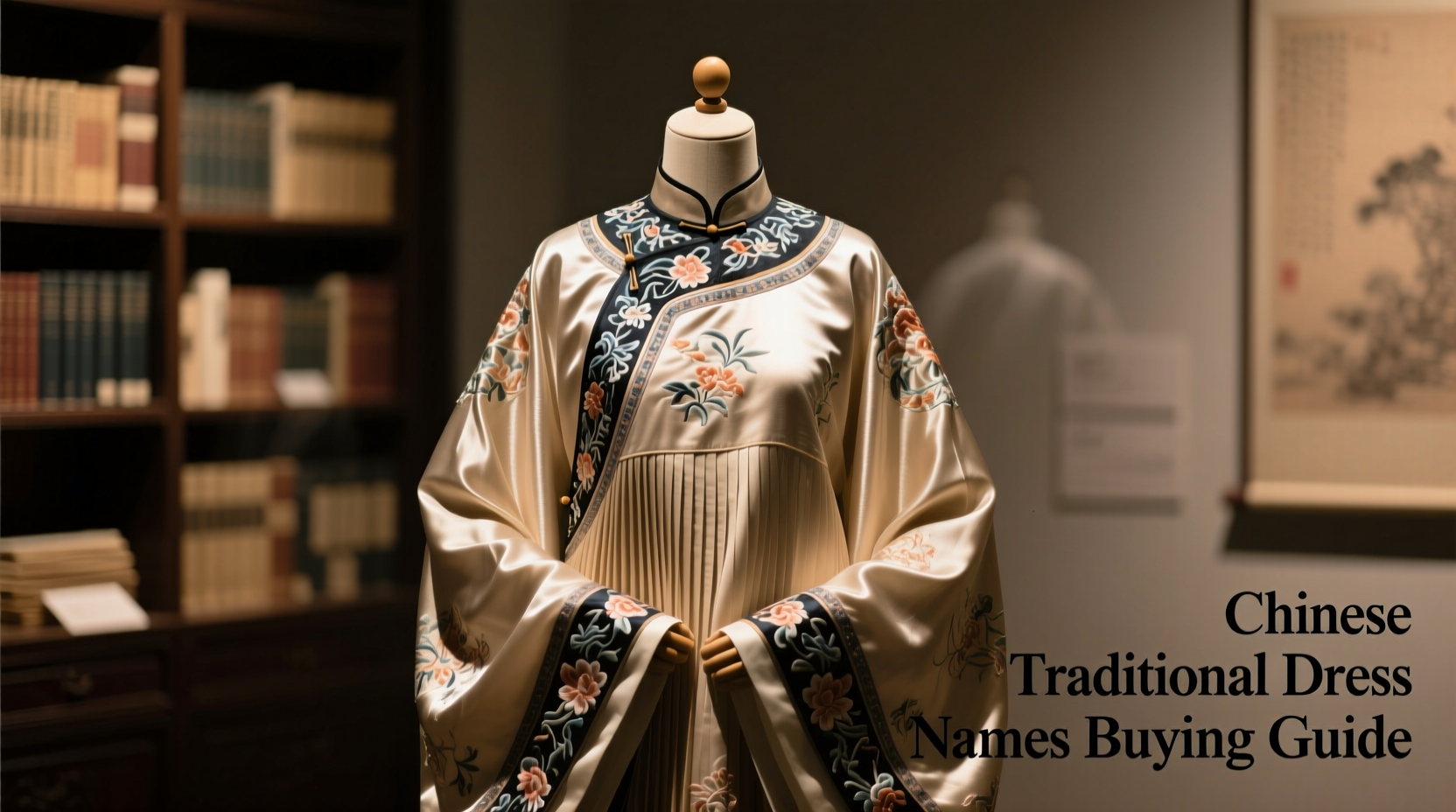
Decoding the Terminology: What Is Chinese Traditional Dress Called?
When international buyers and cultural enthusiasts search for what chinese traditional dress called, they are often met with a complex web of overlapping terms, historical dynasties, and regional variations. Unlike many Western national costumes that remained static, Chinese sartorial traditions are deeply tied to dynastic shifts, ethnic diversity, and a massive contemporary revival movement. To shop intelligently in 2026, you must first understand the distinct categories of Chinese heritage clothing.
Broadly speaking, there is no single "Chinese traditional dress." Instead, the market is dominated by three primary garments: Hanfu (the historical dress of the Han ethnic majority), the Qipao or Cheongsam (the iconic tailored gown of the 1920s), and the Tangzhuang (the modern Tang-style jacket). Understanding the difference between these garments is the first step toward making an authentic, culturally respectful purchase.
The Hanfu Renaissance: Investing in Historical Silhouettes
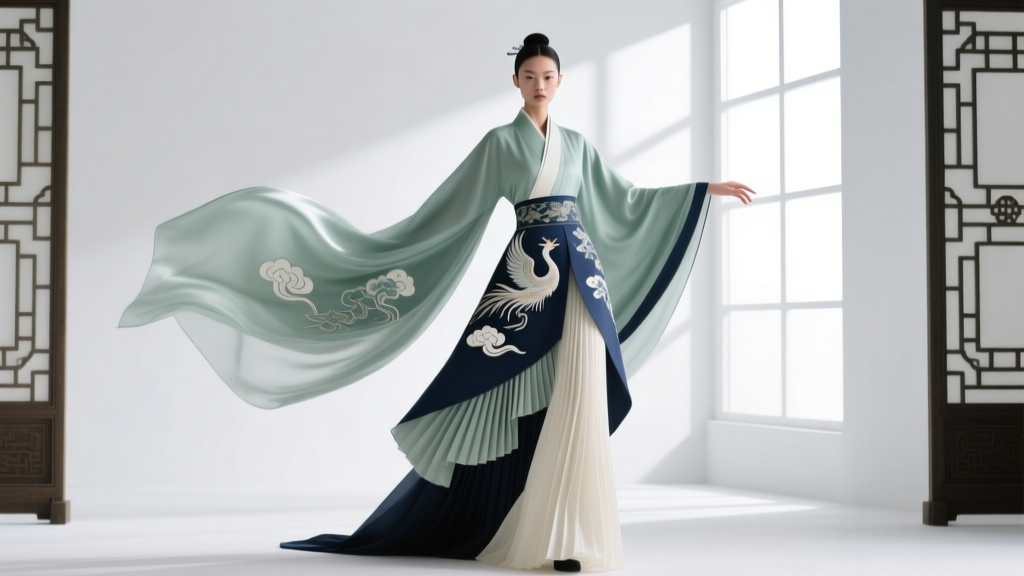
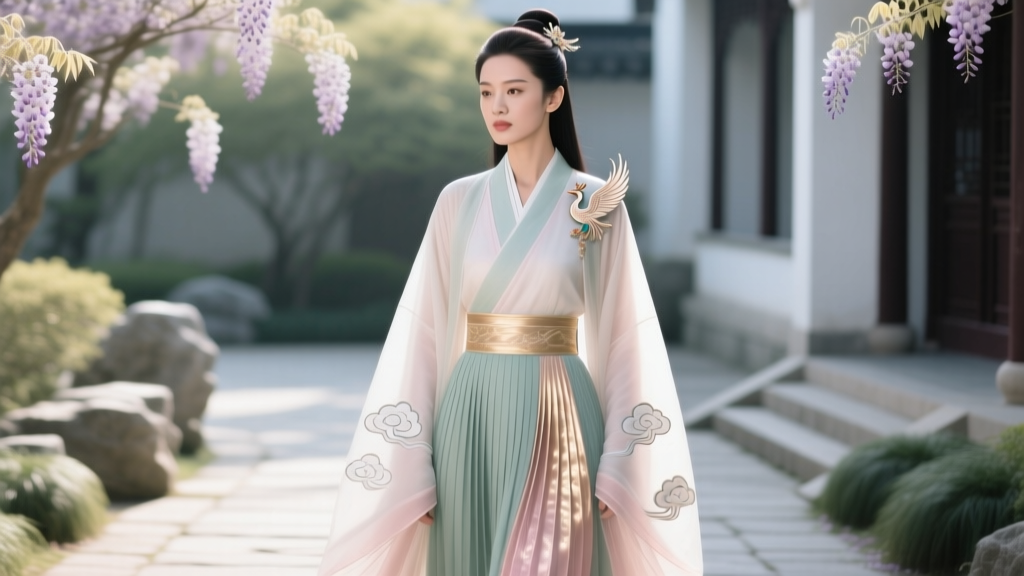
Hanfu (汉服) translates literally to "Han clothing." It encompasses the clothing systems worn by the Han Chinese from the legendary Yellow Emperor era up to the mid-17th century. Today, Hanfu is experiencing a massive cultural renaissance driven by Chinese youth, transforming it from museum artifacts into everyday streetwear and high-end formal attire.
Key Styles for the Modern Buyer
- Mamianqun (Horse-Face Skirt): Originating in the Song and Ming dynasties, this pleated wrap skirt features flat, unpleated panels at the front and back. It is currently the most popular Hanfu item for global buyers due to its ease of styling with modern blouses.
- Ruqun (Top and Skirt): A foundational silhouette consisting of a short top (Ru) and a long, flowing skirt (Qun). The chest-high Qixiong Ruqun from the Tang Dynasty offers a dramatic, empire-waist look, while the Aoqun (jacket and skirt) from the Ming Dynasty provides a more structured, modest profile.
- Shenyi (Deep Robe): A one-piece robe that connects the top and bottom, heavily favored for formal ceremonies, tea ceremonies, and academic graduations.
Fabric Composition and Construction
Authentic Hanfu relies on flat-pattern cutting, meaning the fabric is woven to the width of the loom and cut with minimal waste, preserving the integrity of the woven motifs. When shopping, look for natural fibers. Entry-level Hanfu is often made from high-grade polyester or rayon for durability and ease of washing. However, investment pieces feature Mulberry Silk, Linen, or Xiangyunsha (a rare, mud-dyed silk from Guangdong province that is water-resistant and develops a beautiful patina over time). According to The Metropolitan Museum of Art, the historical mastery of Chinese silk weaving, particularly complex brocades like Kesi (cut silk), remains a benchmark for luxury textile collectors today.
The Qipao (Cheongsam): Tailoring the Modern Classic
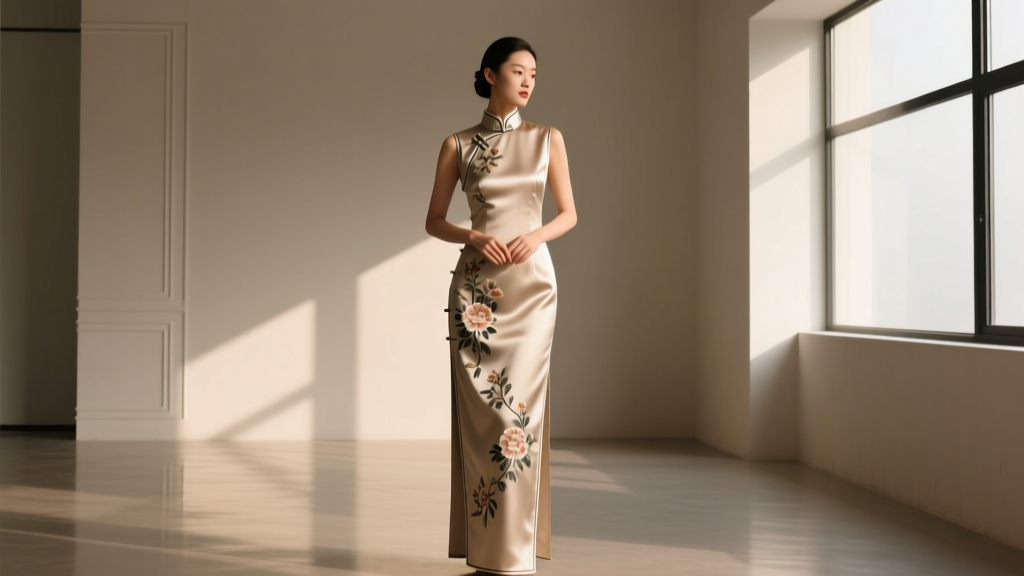
If Hanfu represents ancient history, the Qipao (旗袍) represents the glamorous, cosmopolitan modernity of 1920s and 1930s Shanghai. Evolving from the loose-fitting robes of Manchu women during the Qing Dynasty, the modern Qipao was tailored to accentuate the female form, incorporating Western darting techniques while retaining traditional Chinese motifs.
Shanghai vs. Beijing Cuts
When commissioning or buying a Qipao, you will encounter two primary tailoring philosophies:
- The Shanghai Cut (Hai Pai): Form-fitting, featuring high slits, shorter sleeves, and a sleek, modern silhouette. This is the style most commonly seen in international fashion and cinema.
- The Beijing Cut (Jing Pai): More conservative, looser around the bodice, with lower slits and heavier embellishments. It prioritizes comfort and traditional modesty over body-contouring.
The defining features of a true Qipao are the Pankou (hand-knotted frog buttons) and the Yijin (the diagonal lapel opening). As noted by Encyclopedia Britannica, the Qipao's evolution reflects a pivotal moment in women's liberation in China, shifting from restrictive binding and heavy layers to streamlined mobility.
2026 Price Matrix & Authenticity Guide
Navigating the market requires understanding what you are paying for. Mass-produced "costume" versions flood fast-fashion sites, but authentic garments require specialized labor. Use this matrix to set your budget.
| Garment Type | Native Term | Best Use Case | Price Range (USD) | Key Authenticity Marker |
|---|---|---|---|---|
| Ming Dynasty Hanfu | Mingzhi Hanfu | Winter wear, formal events | $120 - $450 | Woven brocade motifs, metal horse-face skirt clasps |
| Mamianqun (Skirt) | Mamianqun | Daily wear, office styling | $45 - $180 | Knife pleats that hold shape, flat front/back panels |
| Ready-to-Wear Qipao | Chengyi Qipao | Weddings, galas, dining | $150 - $400 | Functional Pankou buttons (not glued faux-knots) |
| Bespoke Qipao | Dingzhi Qipao | Heirloom investment, VIP events | $800 - $3,000+ | Single-piece fabric cutting, hand-rolled hems |
| Tang Suit Jacket | Tangzhuang | Festivals, family portraits | $60 - $250 | Brocade fabric, genuine knotted frog closures |
Where to Shop: Trusted Artisans and Retailers
Finding authentic Chinese traditional dress outside of Asia can be challenging, but the 2026 e-commerce landscape has made it more accessible than ever. Here is where to source genuine pieces:
1. Direct-from-Artisan Platforms (Taobao & Weidian)
The most authentic and affordable Hanfu is found on Chinese domestic platforms like Taobao. Brands like Shisanyu (十三余) and Minghuatang (明华堂) are industry leaders. Minghuatang is renowned for museum-grade historical accuracy, utilizing real gold-leaf thread weaving. International buyers can use proxy shopping agents (like Superbuy or CSSBuy) to purchase directly from these storefronts and ship globally.
2. Bespoke Tailors in Shanghai
If you are traveling or can commission remotely, the South Bund Soft Spinning Material Market in Shanghai remains a hub for Qipao tailoring. For high-end, historically accurate bespoke work, seek out heritage tailors like Hongxiang or independent artisans who specialize in the Xiangyunsha mud-silk technique. The Victoria and Albert Museum frequently highlights the importance of regional silk guilds and heritage weaving cooperatives in preserving these textile techniques.
3. Western-Facing Boutique Curators
For buyers who prefer English-language customer service and localized shipping, boutiques like Pearl River Bridge or specialized Etsy sellers with verified artisan partnerships in Suzhou offer curated selections. Always check for detailed sizing charts; Asian domestic sizing runs 1 to 2 sizes smaller than US/EU standards, and Hanfu relies heavily on precise waist and skirt-length measurements rather than standard S/M/L designations.
Cultural Protocols: The Golden Rule of the Lapel
When wearing or gifting Hanfu or traditional robes, you must observe the most critical rule of Chinese sartorial etiquette: Jiaoling Youren (交领右衽).
"The left lapel must always cross over the right lapel, securing on the right side of the body. To wear the right lapel over the left (Zuoren) is strictly reserved for dressing the deceased for burial. Wearing it incorrectly in daily life is considered deeply inauspicious and culturally offensive."
Furthermore, when purchasing a Qipao for a wedding, avoid solid black or pure white, as these are traditionally associated with mourning in Chinese culture. Opt for crimson, jade green, or auspicious motifs like the phoenix, peony, or bat (which symbolizes good fortune). By understanding not just what these garments are called, but the profound cultural weight they carry, you transform a simple clothing purchase into an act of cultural appreciation and preservation.