Hanfu for Men: The 2026 Buying Guide & Where to Shop
Decoding the Architecture of Men's Hanfu
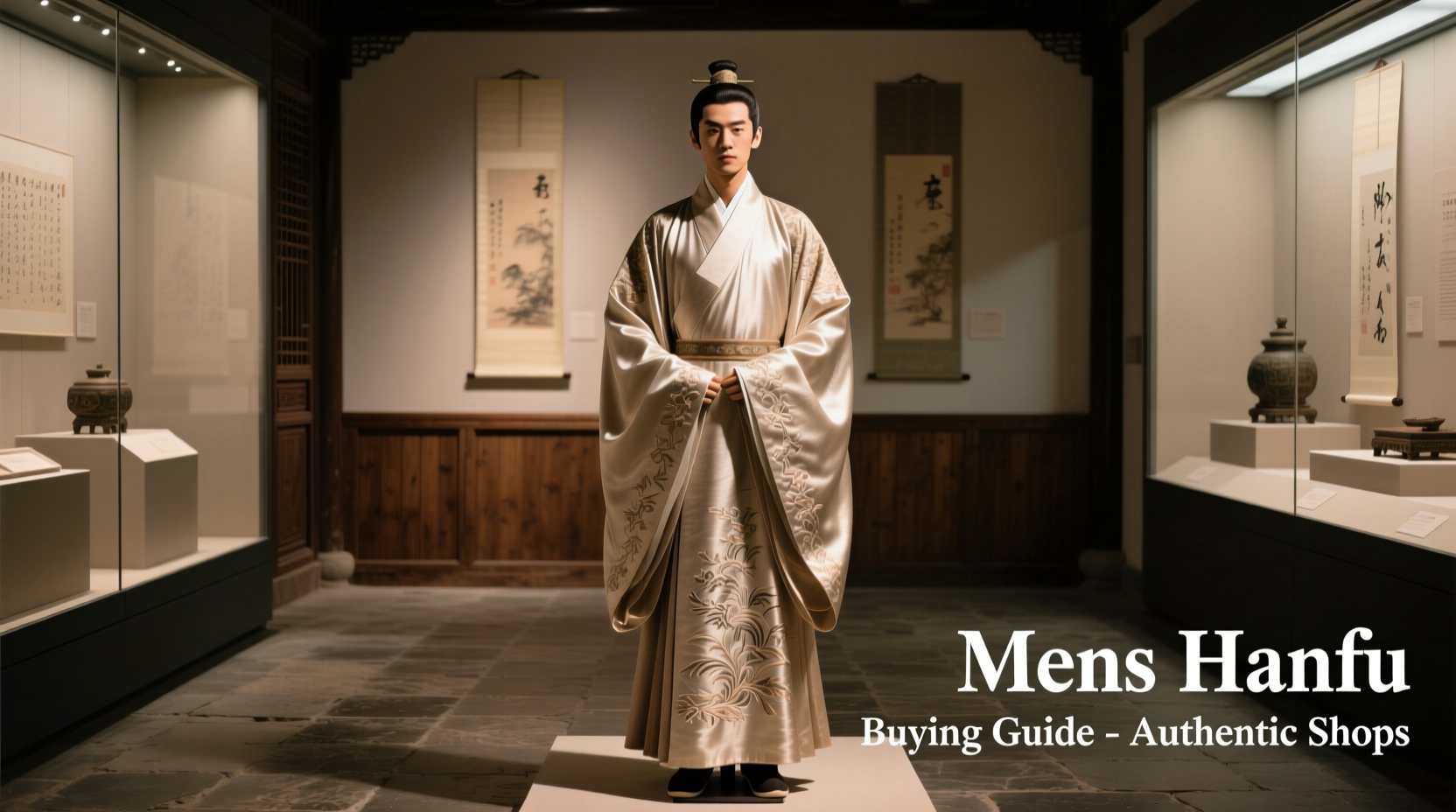
The modern Hanfu Yundong (Hanfu movement) has evolved significantly from its early 2000s origins. By 2026, the market has shifted decisively away from fantasy-inspired 'wuxia' costumes toward historically accurate, meticulously constructed garments. For men, hanfu for men represents a sophisticated intersection of tailoring, historical philosophy, and cultural identity. Unlike Western suits that rely on structured padding and darts to create a silhouette, traditional Chinese garments utilize flat-pattern cutting. The fabric drapes naturally from the shoulders, creating a fluid, dignified line that accommodates a wide variety of body types.
The foundational rule of Han architecture is Jiaoling Youren (交领右衽), meaning 'cross-collar, right lapel.' The left side of the collar must always cross over the right side. This is not merely a stylistic choice but a profound cultural imperative; in traditional Chinese cosmology, crossing the right lapel over the left is strictly reserved for dressing the deceased. Understanding these structural and philosophical baselines is critical before investing in authentic garments.
Primary Silhouettes: Song vs. Ming Dynasty Revivals
When shopping for hanfu for men, you will primarily encounter revivals from the Song (960–1279) and Ming (1368–1644) dynasties. Each era offers distinct silhouettes suited for different occasions and climates.
The Song Dynasty Lanshan (Scholar's Robe)
The Song aesthetic favors minimalism, slender lines, and understated elegance. The Lanshan is a quintessential scholar's robe featuring a round collar with a subtle inner lining, often paired with a soft belt. It is characterized by narrow sleeves and a straight, unpleated skirt. This style is ideal for daily wear, academic settings, and warmer climates, as it requires less fabric and allows for greater mobility.
The Ming Dynasty Yisan and Feiyufu
Ming dynasty menswear is voluminous, imposing, and heavily structured. The Yisan is a one-piece robe featuring a cross-collar and a heavily pleated lower skirt, historically worn by military officers and court officials. The Feiyufu (Flying Fish Robe) is a specific type of Zhiduo adorned with python or flying fish motifs, originally granted as a high honor by the Emperor. Today, Ming-style robes are the gold standard for formal events, weddings, and winter wear, utilizing heavy brocades and wide, sweeping sleeves.
Fabric Selection and Seasonal Weight Matrix
Authentic hanfu relies heavily on natural fibers. The drape, weight, and breathability of the fabric will dictate how the garment behaves in motion. Below is a matrix to help you select the appropriate textile for your climate and needs.
| Fabric Type | Traditional Term | Best Season | Drape & Weight | Avg. Price Range (USD) |
|---|---|---|---|---|
| Cotton-Linen Blend | Mian Ma | Summer / Spring | Crisp, breathable, moderate structure | $45 - $90 |
| Raw Silk / Dupioni | Chou / Sheng Chou | Spring / Autumn | Textured, luminous, elegant drape | $120 - $250 |
| Gambiered Canton Gauze | Xiangyunsha | Summer / Humid | Cool to touch, water-resistant, luxurious | $300 - $800 |
| Ming-Style Brocade | Zhuanghua / Song Brocade | Winter / Formal | Heavy, stiff, highly structured, ornate | $250 - $1,500+ |
Xiangyunsha is particularly noteworthy for luxury buyers. Dyed using the juice of the Dioscorea cirrhosa root and coated with iron-rich river mud, this silk is naturally cooling, antibacterial, and develops a beautiful patina over time. The China National Silk Museum frequently highlights the complex, multi-week weaving and dyeing process required to produce genuine Xiangyunsha, justifying its premium market position.
The 2026 Sizing Protocol: Bridging East and West
A common pitfall for international buyers is relying on standard Western sizing (S, M, L, XL). Chinese domestic sizing runs significantly smaller, and traditional garments require specific measurements to ensure the collar sits correctly and the hem falls at the right point on the ankle.
- Shoulder Width (Jian Kuan): Crucial for flat-cut garments. The seam should sit exactly at the edge of your shoulder bone. If it droops, the collar will gap open at the chest.
- Chest/Bust (Xiong Wei): Hanfu requires a minimum of 4-6 inches of positive ease over your actual chest measurement to allow the cross-collar to overlap securely without pulling.
- Garment Length (Yi Chang): Measure from the prominent vertebra at the base of your neck down to your ankle bone. Most Ming robes are designed to graze the top of the foot, while Song robes may sit slightly higher.
- Sleeve Length (Xiu Chang): Traditional formal sleeves extend past the fingertips. Measure from the base of the neck, over the shoulder, down to the wrist, and add 6-10 inches for the traditional 'return' cuff.
Trusted Retailers: Where to Source Authentic Garments
The 2026 market is segmented into distinct tiers based on historical accuracy, material quality, and construction methods. Here is where to shop based on your budget and intent.
Minghuatang (Heirloom & Museum Grade)
Price Range: $800 - $3,000+
Best For: Weddings, collectors, historical purists.
Minghuatang is widely considered the pinnacle of Ming dynasty reproduction. They utilize traditional wooden looms and base their patterns on extant artifacts from the Kong Family Mansion and the Ming Tombs. Their brocades are woven with genuine gold and silver threads. Purchasing from Minghuatang is an investment in wearable cultural heritage, though lead times can exceed three months due to the bespoke weaving process.
Mid-Tier Artisans & Global Boutiques
Price Range: $120 - $350
Best For: Formal events, festivals, serious enthusiasts.
Retailers like HanfuTime and NewHanfu bridge the gap between accessibility and historical fidelity. They offer machine-woven brocades and high-quality raw silks that mimic historical patterns accurately. These shops provide English-language customer service, international shipping, and detailed sizing charts tailored for Western demographics. They are the most reliable entry point for men seeking authentic, high-quality garments without the heirloom price tag.
Accessible Daily Wear (Taobao Global / AliExpress)
Price Range: $45 - $95
Best For: Casual wear, beginners, summer travel.
Brands like Shengshixiake and Chenyi dominate the daily-wear sector. They specialize in cotton-linen blends and simplified Song dynasty cuts. While they may take minor liberties with historical seam placements for modern convenience, they respect the core rules of Jiaoling Youren and offer excellent value. Buyers must use image search and read community reviews on platforms like Reddit's r/Hanfu to avoid 'costume-grade' sellers who sell fantasy wuxia outfits mislabeled as traditional hanfu.
Cultural Etiquette and Wearing Protocols
Wearing hanfu for men is an exercise in mindfulness and respect for tradition. Beyond the mandatory left-over-right collar rule, proper styling requires attention to the extremities.
Headwear: In traditional contexts, an adult man's hair was bound and covered. For Ming dynasty attire, a Wangjin (a netted hair cover) or a Futou (structured scholar's hat) completes the silhouette. Leaving hair entirely loose is historically associated with youth or states of undress.
Footwear: Modern leather dress shoes clash with the drape of hanfu. Invest in traditional cloth Yunxie (cloud shoes) with upturned toes, or for Ming martial styles, black leather Xuezi (official boots). The Victoria and Albert Museum's Chinese collections provide excellent visual references for how historical footwear integrates with the hemline of the robe.
Posture and Movement: Because the garments are flat-cut and rely on gravity, slouching disrupts the collar's alignment. The weight of the sleeves and the pleats of the Yisan are designed to encourage an upright, grounded posture, reflecting the Confucian ideals of rectitude and composure.
Authoritative References
- The Metropolitan Museum of Art: History of Chinese Silk - Essential reading for understanding the evolution of Chinese textile weaving and brocade techniques.
- Victoria and Albert Museum: Chinese Dress Collections - A vital visual archive for studying the cut, drape, and layering of historical Chinese robes.
- China National Silk Museum - The premier institution for the preservation of traditional dyeing techniques like Xiangyunsha and Song brocade weaving.