Is Kimono Chinese or Japanese? Event & Styling Guide

The Short Answer: Clarifying the Kimono's Origins
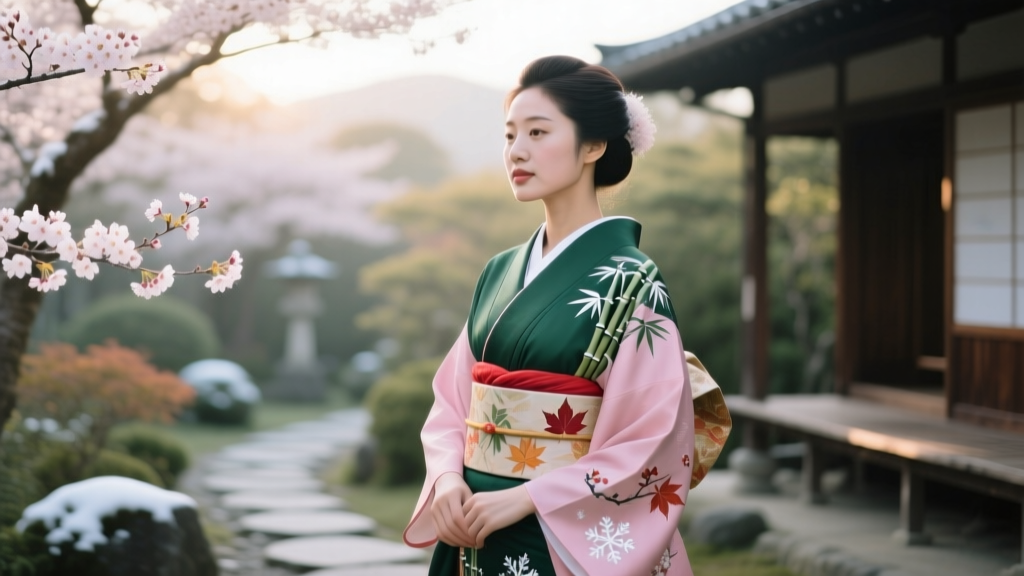
When preparing for a cultural gala, an Asian heritage wedding, or a traditional tea ceremony, guests and attendees often ask a fundamental question: is kimono Chinese or Japanese? The answer is unequivocal. The kimono is the national garment of Japan. The word itself translates directly to 'thing to wear' (ki meaning 'to wear' and mono meaning 'thing'). Conversely, traditional Chinese garments encompass a completely different lineage of clothing, most notably Hanfu (historical Han Chinese clothing) and the Qipao or Cheongsam (a modern, form-fitting dress with Manchu origins).
Conflating these garments is a common misstep in Western event planning, often resulting in the purchase of inaccurate 'pan-Asian' costumes that mash up Japanese silhouettes with Chinese textiles. As cultural appreciation takes center stage in 2026 event etiquette, understanding the distinct construction, history, and appropriate occasions for these garments is essential. This guide will help you navigate the nuances of Japanese and Chinese formalwear, ensuring you dress with respect, accuracy, and elegance for your next event.
Beyond the Confusion: A Quick Reference Chart for Asian Event Garments
Before selecting an outfit for a cultural event, consult this structural and cultural breakdown to ensure your attire aligns with the occasion's heritage.
| Garment | Origin | Key Construction Feature | Best Suited Event | Average Price Range (USD) |
|---|---|---|---|---|
| Kimono | Japan | T-shaped, straight-line cutting from a single bolt of fabric (tanmono) | Tea ceremonies, weddings, Coming of Age Day | Rental: $50-$150 | New Silk: $2,000-$10,000+ |
| Qipao (Cheongsam) | China | Form-fitting, tailored darts, mandarin collar, pankou (frog) knots | Evening galas, banquets, Lunar New Year parties | Ready-to-wear: $80-$250 | Bespoke Silk: $500-$1,500 |
| Hanfu | China | Cross-collar (jiaoling), wide sleeves, pleated skirts (mamianqun) | Cultural festivals, historical reenactments, temple visits | Modern Replicas: $60-$200 | Artisan Silk: $300-$800 |
| Yukata | Japan | Informal, unlined cotton or hemp, worn with a simple hanhaba obi | Summer festivals (matsuri), fireworks, casual ryokan stays | Rental: $30-$60 | Purchase: $40-$150 |
The Japanese Kimono: Event Protocols and Construction
The kimono is defined by its unique construction. Unlike Western or Chinese tailored garments that are cut to follow the curves of the body, a formal kimono is constructed from a tanmono—a narrow bolt of silk approximately 36 centimeters wide. The fabric is cut in straight lines and sewn together, creating a T-shaped silhouette that is wrapped and secured with an obi (sash). This method allows the garment to be entirely taken apart for cleaning or re-dyeing, a practice detailed in the archives of the Kyoto National Museum.
Furisode vs. Tomesode: Navigating Formality
When attending a Japanese wedding or formal gathering, the type of kimono you choose communicates your age, marital status, and relationship to the host.
- Furisode (Swinging Sleeves): Characterized by long, dramatic sleeves that can reach up to 114 cm in length. This is the most formal kimono for unmarried women. It is the standard attire for Seijin no Hi (Coming of Age Day) and for unmarried female guests attending weddings.
- Kurotomesode (Black Formal): A black silk kimono featuring family crests (kamon) on the back, shoulders, and chest, with intricate patterns only below the waist. This is the highest formality for married women, typically worn by the mothers of the bride and groom.
- Houmongi (Visiting Wear): A versatile, semi-formal kimono featuring patterns that flow continuously across the seams. It is appropriate for both married and unmarried women attending tea ceremonies, gallery openings, or formal dinners.
The Anatomy of the Obi
The obi is not merely a belt; it is the structural and aesthetic anchor of the kimono. For formal events, women wear a fukuro obi, a heavy, brocaded silk sash measuring roughly 4.2 meters long and 31 cm wide. Tying a formal taiko musubi (drum knot) requires precise folding and the use of accessories like the obijime (decorative cord) and obidome (ornament). According to the Metropolitan Museum of Art's Heilbrunn Timeline, the evolution of the obi from a thin cord in the Edo period to a wide, elaborate sash fundamentally changed the kimono's silhouette and the wearer's posture, demanding a graceful, gliding walk known as namba-aruki.
Chinese Heritage Dress: When to Wear Hanfu or Qipao
If the event is rooted in Chinese culture, the kimono is entirely inappropriate. Instead, you must look to China's rich textile history. The confusion between Chinese and Japanese dress often stems from a lack of understanding regarding China's dynastic shifts and 20th-century modernization.
The Qipao (Cheongsam) for Modern Galas
The qipao is the most recognizable Chinese garment in contemporary global fashion. Originating in 1920s Shanghai as a modernization of loose-fitting Manchu banner robes, the modern qipao is tailored with darts to accentuate the figure. It features a stiff mandarin collar, an asymmetrical front opening secured by pankou (woven fabric knots), and side slits for mobility.
Event Application: The qipao is ideal for evening banquets, Lunar New Year celebrations, and formal cocktail events. For black-tie equivalents, opt for floor-length qipaos made from heavy silk brocade or velvet, featuring intricate embroidery of phoenixes or peonies. Pair with jade jewelry and closed-toe heels. Avoid wearing a qipao to highly traditional, conservative rural ceremonies, where its form-fitting nature may be deemed too modern or revealing.
Hanfu for Cultural Festivals and Tea Ceremonies
Hanfu refers to the historical clothing of the Han Chinese, spanning from the Han Dynasty (202 BC – 220 AD) to the late Ming Dynasty (1644 AD). The defining feature of Hanfu is jiaoling youren—a crossed collar where the left lapel crosses over the right lapel. (Crossing right over left is historically reserved for burial garments, a crucial rule to remember).
Event Application: Hanfu is experiencing a massive revival among youth in China and the diaspora. It is the premier choice for the Mid-Autumn Festival, traditional tea ceremonies, and temple visits. The Mamianqun (horse-face skirt), characterized by its flat front and back panels with deep side pleats, is currently the most popular and accessible Hanfu piece for modern events. The China National Silk Museum frequently highlights the intricate weaving techniques, such as khusi (silk tapestry), used to recreate authentic Ming dynasty textiles for today's wearers.
Cross-Cultural Event Etiquette: Avoiding Missteps
Wearing Asian heritage garments as a guest requires a commitment to cultural accuracy. The most common error made by international attendees is 'mixing and matching' elements from different cultures, which reduces sacred or historical garments to mere costumes.
The Golden Rule of Heritage Dress: Never pair a Japanese kimono with Chinese hair accessories, and never tie a Japanese obi over a Chinese qipao. Treat each garment's ecosystem of accessories, footwear, and undergarments as distinct and non-interchangeable.
Footwear and Undergarments
- Japanese Footwear: Formal kimono requires zori (woven or vinyl sandals) worn with tabi (split-toe socks). Bare feet or Western stockings are considered highly informal and culturally jarring in formal settings.
- Chinese Footwear: Hanfu is traditionally paired with flat, embroidered cloth shoes or cloud-toe shoes (yunjian xie). The qipao is best paired with elegant, modern heels or traditional silk slippers.
- Undergarments: Kimono requires specific padding (kimono bra or towels) to create a cylindrical silhouette, flattening the bust and hips. The qipao, conversely, requires seamless, form-fitting undergarments to maintain its tailored lines.
Where to Rent or Buy Authentic Garments
If you are attending a cultural event and wish to wear the appropriate garment, avoid mass-market 'costume' websites. Instead, seek out specialized vendors and artisans.
- For Kimono Rentals: If you are attending an event in Kyoto, Tokyo, or a major international Japanese garden festival, seek out certified kimono rental salons (such as Wargo or Yumeyakata). They provide professional kitsuke (dressing) services, ensuring the collar is crossed correctly (left over right) and the obi is tied to your formality level.
- For Bespoke Qipao: Look for tailors specializing in Haipai (Shanghai-style) tailoring. In cities like New York, London, or Singapore, established Chinatown tailors offer bespoke measurements, ensuring the pankou knots are hand-woven rather than factory-glued.
- For Authentic Hanfu: Purchase from specialized Hanfu brands (such as Shisanyu or Chong Hui Han Tang) that base their patterns on historical textile artifacts. These vendors provide accurate dynasty-specific cuts and high-quality jacquard weaves that honor the garment's historical weight.
By understanding that the kimono is distinctly Japanese, and that Chinese events call for the elegant drape of Hanfu or the tailored sophistication of the qipao, you elevate your event attire from a simple outfit to a profound gesture of cultural respect and historical awareness.