Traditional Qipao: Fabric and Craftsmanship
The Evolution of the Silhouette: From Banner Robe to Tailored Masterpiece
To understand the historical traditional qipao, one must look past the highly stylized, mass-produced interpretations of the mid-20th century and return to the garment’s intellectual and sartorial roots. Originating from the qizhuang (banner robes) of the Manchu people during the Qing Dynasty (1644–1912), the qipao underwent a radical transformation in the 1920s. Driven by feminist movements and female students in Shanghai and Beijing, the garment evolved from a loose, floor-length, concealing robe into a symbol of modern Chinese womanhood.
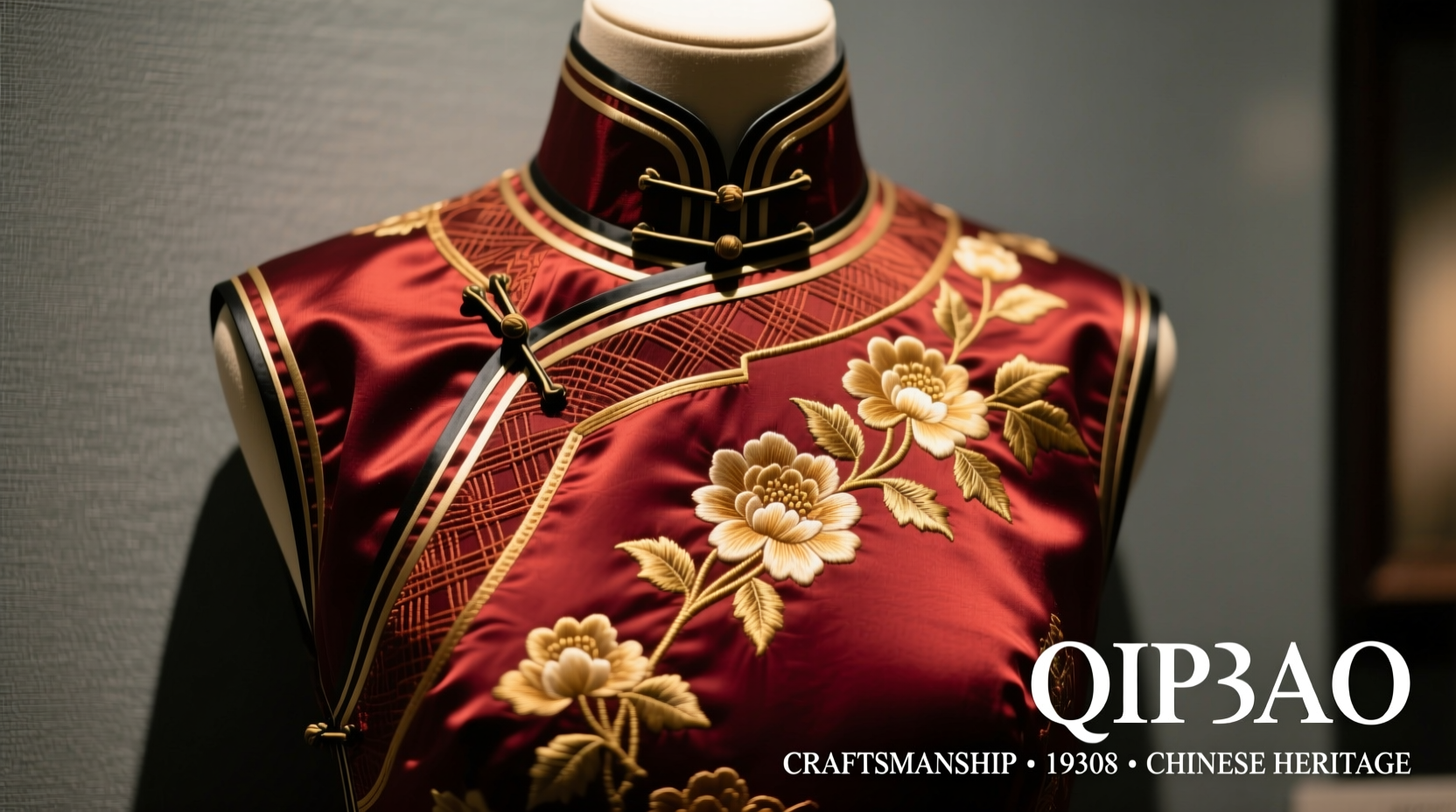
By the 1930s—often considered the Golden Era of the qipao—the silhouette had become a masterful synthesis of Chinese flat-pattern cutting and subtle Western tailoring. The historical traditional qipao of this era is defined by its high, stiffened collar (yingzi), the iconic curved right-side overlap (dajin), and side slits that facilitated movement while maintaining modesty. Today, collectors, historians, and bespoke tailors study these 1930s and 1940s garments not merely as clothing, but as masterclasses in textile engineering and micro-craftsmanship.
Textile Alchemy: Authentic Fabrics of the 1920s–1940s
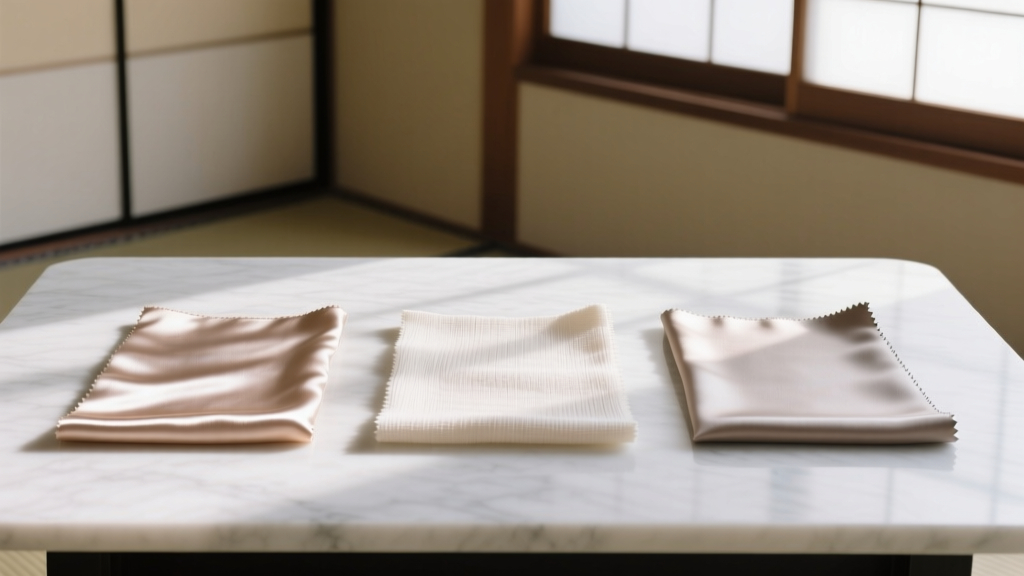
The drape, structure, and longevity of a historical traditional qipao are entirely dependent on its textile. Artisans of the Republican era selected fabrics based on season, social occasion, and the wearer's age. The Victoria and Albert Museum's Asian Collections highlights how Chinese weavers utilized complex loom technologies to create fabrics specifically suited for the qipao’s unbroken visual lines.
Xiangyunsha (Gambiered Canton Gauze)
Highly prized for summer qipaos, Xiangyunsha is a unique silk textile originating from Guangdong province. Its creation is a labor-intensive ecological process: silk gauze is repeatedly dyed in the juice of the gambier plant (Dioscorea cirrhosa) and then coated with iron-rich river mud. The chemical reaction between the tannins and the iron creates a distinct, crinkled, dual-toned fabric—deep brownish-black on one side and matte terracotta on the other. It is naturally water-resistant, exceptionally cooling, and produces a soft, rustling sound when the wearer walks, a highly valued auditory aesthetic in historical Chinese dress.
Zhusi and Yunjin (Silk Brocades)
For winter and formal evening wear, heavy silk brocades were the standard. Nanjing Cloud Brocade (Yunjin), characterized by its use of real gold and silver threads woven into complex motifs like peonies, phoenixes, and auspicious clouds, provided the necessary structural rigidity for the qipao’s high collar and clean lines. Because brocade is thick and lacks drape, tailors had to carefully engineer the seams to prevent bulkiness at the underarms and side slits.
Shuangzhou (Silk Crepe)
A lightweight, matte-finished crepe silk, Shuangzhou was the canvas of choice for the painted and embroidered qipaos of the 1930s. Its subtle texture allowed for vibrant, hand-painted floral motifs or delicate Su embroidery (Su Xiu) without the thread puckering the fabric base.
The Architecture of the Seam: Flat-Pattern Cutting vs. Western Darting
One of the most defining characteristics of the historical traditional qipao is its underlying geometry. Unlike Western garments, which rely on darts and princess seams to mold fabric to the curves of the bust and waist, the traditional qipao utilizes Liancai (one-piece cutting).
"The philosophy of traditional Chinese tailoring respects the integrity of the textile. The fabric is folded, not aggressively cut away, allowing the garment to exist in a state of fluid harmony with the body rather than forcing a rigid shape upon it." — Curatorial notes on East Asian Dress, The Metropolitan Museum of Art's Costume Institute.
In a master-crafted historical qipao, the front and back are often cut from a single continuous piece of fabric folded at the shoulder, eliminating the shoulder seam entirely. To accommodate the female form without Western darts, the tailor employs strategic iron-work (stretching and shrinking the silk fibers with heat and moisture) and inserts diamond-shaped gussets beneath the arm. This technique preserves the unbroken vertical lines of the textile pattern—a crucial aesthetic requirement when using fabrics with large, continuous brocade motifs.
Micro-Craftsmanship: Pankou, Gunbian, and the Art of the Edge
The true mark of an artisan-crafted historical traditional qipao lies in its edge finishes and fastenings. Because the silhouette is relatively restrained, the micro-details serve as the primary indicators of the tailor's skill and the wearer's social standing.
Gunbian (Piping and Binding)
Gunbian refers to the meticulous fabric piping applied to the collar, sleeves, hem, and the sweeping curve of the dajin (front overlap). In the 1920s, wide, contrasting double or triple piping was fashionable. By the 1930s, tastes shifted toward extreme minimalism, favoring Xianggun—a razor-thin, single rolled edge that required the tailor to cut silk on the precise bias and hand-stitch it so finely that the thread was virtually invisible.
Pankou (Frog Buttons and Knots)
More than mere fasteners, Pankou are sculptural knots crafted from tightly wrapped and braided silk cords. A master knot-maker can spend up to 12 hours crafting a single complex floral Pankou. While basic straight knots (Zhi Pan) were used for everyday wear, intricate decorative knots (Hua Pan) shaped like plum blossoms, butterflies, or the traditional longevity character (Shou) were reserved for the chest and collar areas of formal qipaos.
| Craft Element | Chinese Terminology | Construction Details & Aesthetic Function | Era of Peak Popularity |
|---|---|---|---|
| Single Piping | Dan Gunbian / Xianggun | A micro-thin rolled silk edge defining the Dajin curve; demands invisible hand-stitching. | Mid-1930s to 1940s |
| Triple Piping | San Gunbian | Three parallel lines of contrasting silk; used to frame hems and wide cuffs boldly. | 1920s |
| Floral Knots | Hua Pan | Sculptural, non-functional decorative knots backed by hidden metal snap fasteners. | 1930s Evening Wear |
| Slit Binding | Kaiqi Xiangbian | Reinforcement of the side slits using inner silk tape to prevent tearing at the stress point. | Continuous (1920s-Present) |
Sourcing and Commissioning an Authentic Historical Qipao Today
For collectors and cultural enthusiasts seeking an authentic historical traditional qipao, understanding the modern market is essential. The revival of traditional Han clothing (Hanfu) has also sparked a renaissance in Republican-era tailoring, but quality varies wildly.
- Mass-Produced / Fast Fashion ($40 – $120 USD): Typically made from polyester blends, featuring machine-serged edges, glued (rather than sewn) interfacing in the collar, and factory-stamped plastic frog buttons. These lack the structural integrity and cultural nuance of the historical garment.
- Contemporary Boutique Silk ($250 – $600 USD): Often found in high-end boutiques in Shanghai or online artisan platforms. These utilize real mulberry silk and machine-assisted tailoring, but may incorporate Western darts for a tighter, modern fit that deviates from historical Liancai cutting.
- Heritage Bespoke / Haute Couture ($1,200 – $4,500+ USD): Commissioned from master tailors in Shanghai (particularly around Changle Road and Maoming Road) or Hong Kong. These artisans utilize historical flat-pattern cutting, hand-rolled piping, custom-woven Xiangyunsha or Yunjin brocade, and hand-braided silk Pankou. Fittings require multiple sessions to manipulate the fabric with traditional iron-work.
Preserving the Heritage: Institutional Archives and Care
The survival of the historical traditional qipao relies heavily on institutional preservation and proper archival care. Because the silks of the 1920s and 30s were often weighted with metallic salts to increase their drape and luster, many surviving garments are prone to "silk shattering"—a chemical degradation where the fabric literally crumbles along the fold lines.
Institutions like the Asian Art Museum and specialized textile conservation labs store historical qipaos flat, padded with acid-free tissue paper to prevent stress on the shoulder folds and the curved dajin. They are kept in climate-controlled environments with strict humidity limits to protect both the delicate silk crepes and the structural integrity of the starched collars.
For private collectors, caring for a historical or bespoke traditional qipao means avoiding wire hangers, which distort the shoulder geometry. Garments should be gently folded along their original seam lines, wrapped in unbleached cotton muslin, and stored in cedar chests to protect the natural protein fibers from moisture and light degradation. By respecting the intricate craftsmanship, ecological textiles, and architectural tailoring of the historical traditional qipao, we preserve not just a garment, but a vital chapter of Asian sartorial and social history.