Hanfu Substyles: Regional Variations & Historical Eras

Hanfu (汉服), the traditional clothing of the Han Chinese people, is frequently misunderstood by Western audiences as a single, monolithic garment. In reality, the hanfu tradition spans over three millennia, encompassing a vast array of regional variations, dynastic substyles, and distinct textile heritages. To wear hanfu today is to participate in a living sartorial renaissance—one that requires a nuanced understanding of historical silhouettes, flat-pattern construction, and regional weaving techniques.
The Dynastic Pillars: Tang, Song, and Ming Silhouettes
While hanfu encompasses many eras, the contemporary hanfu movement primarily focuses on three distinct historical substyles, each reflecting the socio-political climate and aesthetic philosophies of its time.
Tang Dynasty (618–907 CE): Cosmopolitan Opulence
The Tang era represents a golden age of Silk Road cultural exchange. The defining substyle is the qixiong ruqun (chest-high skirt), where the skirt is tied above the bust, paired with a sheer, wide-sleeved pibo (stole) draped over the arms. Tang hanfu is characterized by bold, contrasting colors, large floral motifs, and a relaxed, voluminous silhouette that reflects the era's cosmopolitan confidence. Another staple of this era is the banbi (half-sleeve jacket), a short-sleeved outer layer worn over the inner garments, showcasing the era's layering techniques and openness to Central Asian sartorial influences.
Song Dynasty (960–1279 CE): Neo-Confucian Restraint
In stark contrast, Song dynasty hanfu embodies the intellectual restraint of Neo-Confucianism. The quintessential garment is the beizi (褙子), a long, open-front coat with straight, narrow sleeves and side slits. Song substyles favor subdued, monochromatic palettes, subtle woven patterns, and slender, elongated silhouettes. Beneath the skirts, women often wore songku (pleated trousers), a practical and modest layering technique unique to the era. The emphasis shifts from ostentatious display to the quiet luxury of high-quality, understated textiles.
Ming Dynasty (1368–1644 CE): Structured Elegance
Ming hanfu introduced highly structured, layered garments designed for both courtly protocol and regional climates. The dominant substyle is the aoqun (袄裙), featuring a lined, high-collared jacket worn over a skirt. The most iconic Ming garment is the mamianqun (horse-face skirt). Constructed from two overlapping trapezoidal fabric panels, the mamianqun features a flat, unpleated front and back (the 'horse faces') with deep, structured knife pleats on the sides. This architectural marvel allows for modesty while walking and remains a cornerstone of modern hanfu wardrobes.
All authentic hanfu, regardless of dynasty, adheres to the principle of jiaoling youren (交领右衽)—crossing the left side of the garment over the right. The reverse is strictly reserved for funerary dress, a cultural protocol that remains fiercely protected by modern hanfu practitioners.
Geographic Textile Hubs Shaping Regional Hanfu
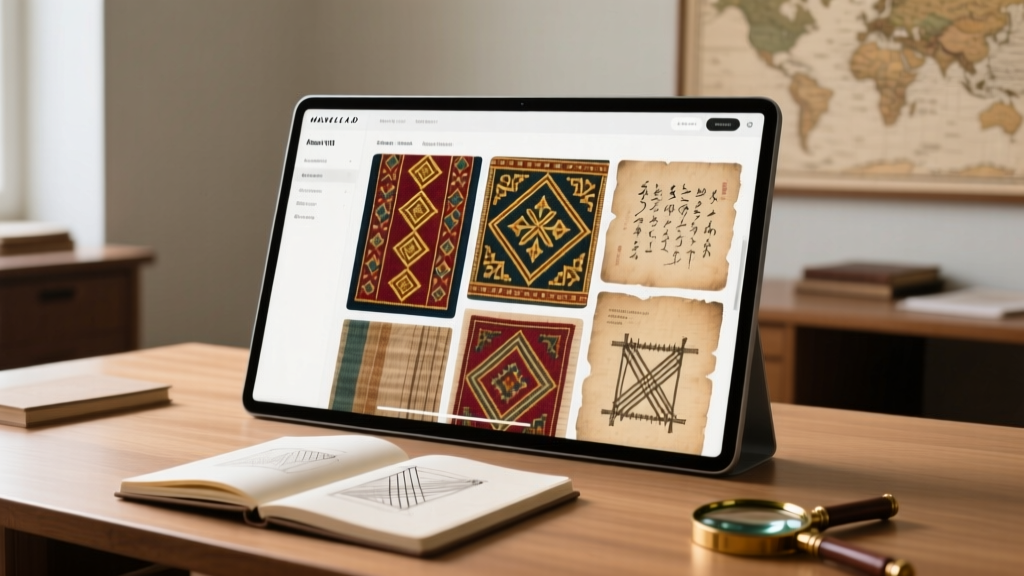
A garment's substyle is inextricably linked to its regional textile origin. China's historical silk hubs produce vastly different fabrics, dictating the drape, weight, and seasonal appropriateness of the hanfu. According to the China National Silk Museum, the preservation of these regional weaving techniques is vital to the authenticity of historical reconstruction.
| Regional Hub | Textile Name | Characteristics & Hanfu Application | Price Range (USD) |
|---|---|---|---|
| Sichuan (Chengdu) | Shu Brocade (蜀锦) | Heavy, vibrant, warp-faced weave. Ideal for structured Ming winter jackets and ceremonial Tang pieces. | $120 - $400 |
| Zhejiang (Hangzhou) | Song Brocade (宋锦) | Soft, matte, with subtle geometric patterns. Perfect for elegant Song dynasty beizi and scholar robes. | $90 - $250 |
| Jiangsu (Nanjing) | Yun Brocade (云锦) | Incorporates gold, silver, and peacock feather threads. Reserved for high-end Ming court-style mamianqun. | $500 - $3,000+ |
| Guangdong (Foshan) | Xiangyunsha (香云纱) | Silk dyed with dioscorea juice and river mud. Crisp, cooling, and water-resistant. Used for Southern summer hanfu. | $150 - $600 |
The production of Xiangyunsha, recognized by the UNESCO Intangible Cultural Heritage list, is a prime example of regional terroir dictating garment style. The iron-rich mud of the Pearl River Delta reacts with the tannins of the shuliang plant to create a uniquely rustling, dual-toned fabric that is highly prized by southern hanfu enthusiasts for its breathability in humid climates.
Contemporary Substyles: The Modern Hanfu Spectrum
As the hanfu movement has matured over the last two decades, distinct modern substyles have emerged, categorized by their adherence to historical accuracy versus aesthetic fantasy.
- Fugu (Historical Reconstruction): Practitioners and brands in this substyle rely on archaeological reports, tomb murals, and extant artifacts—such as those analyzed by the Metropolitan Museum of Art—to recreate garments with exacting precision. This includes using historically accurate flat-cutting methods, where the fabric is woven to the exact width of the loom, resulting in a distinctive lack of shoulder seams and a natural, sloping shoulder line.
- Xianxia / Wuxia Fantasy: Heavily influenced by Chinese martial arts and immortal fantasy television dramas, this substyle prioritizes ethereal aesthetics over historical reality. Garments feature exaggerated, trailing sleeves, sheer synthetic chiffons, and corseted waists that violate traditional flat-pattern construction. While popular for cosplay and photography, it is often critiqued by traditionalists.
- Hanyuansu (Han-Elements): A pragmatic substyle that adapts traditional hanfu motifs, collars, and fabrics into modern, Western-style silhouettes. A mamianqun paired with a modern turtleneck, or a Ming-style standing collar integrated into a contemporary blouse, falls into this category, making the culture accessible for daily urban wear.
A Buyer's Framework for Authentic Regional Hanfu
Navigating the hanfu market requires an understanding of traditional sizing, fabric composition, and cultural symbolism. Unlike Western clothing, authentic hanfu is not sized by S/M/L or bust measurements.
Sizing and Fit Protocols
Because hanfu relies on flat-pattern cutting and wrapping, fit is determined by the wearer's height and the garment's 'skirt length' or 'sleeve span'. Buyers must measure from their natural waist (or chest, for Tang styles) to the ankle bone. Furthermore, sleeve lengths are measured from the center back of the neck to the wrist, often extending past the fingertips to create the traditional 'water sleeves' (shuixiu) drape.
Identifying Quality Construction and Symbolism
When investing in regional hanfu, inspect the inner seams and structural lines. High-quality Fugu garments will feature traditional bound seams or French seams to prevent fraying, as the interior of the garment is often visible when walking or sitting. Crucially, authentic hanfu must feature a zhongfeng (middle seam) running precisely down the center of the back. In traditional Confucian philosophy, this unbroken vertical line symbolizes moral uprightness and integrity. Mass-produced garments often omit this seam to save fabric, instantly marking the piece as inauthentic to educated practitioners.
Regional Purchasing Hubs
For buyers seeking authentic pieces, specific Chinese cities serve as epicenters for distinct substyles. Chengdu is the undisputed capital of the modern hanfu retail movement, boasting dedicated hanfu streets and showrooms specializing in vibrant Shu brocade and Tang/Song revivals. Conversely, Hangzhou and Suzhou remain the premier destinations for bespoke, high-end silk garments, where buyers can commission custom-woven Song brocade directly from artisan cooperatives.
Understanding hanfu as a matrix of regional textiles and dynastic substyles elevates the garment from a mere costume to a profound expression of Chinese material culture. Whether donning a crisp Guangdong Xiangyunsha jacket for a summer tea ceremony or a heavy Nanjing Yun brocade skirt for a winter festival, the wearer is draped in centuries of localized craftsmanship and enduring historical memory.