Wearing Hanfu in Public: 2026 Buying Guide & Where to Shop

The Hanfu Renaissance: Taking Tradition to the Streets
Over the past two decades, the Hanfu Movement (汉服运动) has transformed traditional Han Chinese clothing from static museum exhibits into a vibrant, living streetwear phenomenon. What began in the early 2000s as a niche historical interest has blossomed into a global cultural renaissance. Today, wearing hanfu in public—whether commuting on the Shanghai subway, attending university lectures in London, or visiting a cafe in New York—is a powerful expression of cultural identity and aesthetic appreciation. However, transitioning hanfu from a ceremonial garment to practical daily wear requires an understanding of historical silhouettes, textile durability, and modern styling. This 2026 buying guide provides actionable insights for acquiring, styling, and respectfully wearing hanfu in contemporary urban environments.
Decoding Silhouettes for Urban Environments
When selecting hanfu for public wear, the historical dynasty you draw inspiration from dictates the garment's functionality. Not all silhouettes are suited for the rigors of modern commuting, crowded spaces, or unpredictable weather. Here is a breakdown of the most practical styles for street wear:
Ming Dynasty: The Aoqun and Mamianqun
The Ming Dynasty (1368–1644) offers the most practical and popular silhouettes for modern daily wear. The Aoqun (袄裙), consisting of a structured jacket (ao) and a skirt (qun), is highly versatile. The undisputed star of modern hanfu streetwear is the Mamianqun (马面裙), or 'horse-face skirt.' Characterized by flat front and back panels with heavily pleated sides, the Mamianqun wraps securely around the waist and moves beautifully without dragging. Its structured waistband and calf-to-ankle length make it incredibly easy to pair with modern knitwear, turtlenecks, or tailored blazers, bridging the gap between historical dress and contemporary fashion.
Song Dynasty: Minimalist Layering
For those who prefer a slender, understated aesthetic, the Song Dynasty (960–1279) provides the Beizi (褙子). This is a long, open-front coat with narrow sleeves and side slits. The Beizi is exceptionally well-suited for public wear because it functions much like a modern duster coat or longline cardigan. It can be worn over a simple pleated skirt (Baizhequn) or even modern trousers, offering an elegant, intellectual silhouette that adapts seamlessly to office environments and casual outings alike.
Tang Dynasty: Festive but Restrictive
While the Tang Dynasty (618–907) Qixiong Ruqun (chest-high skirt) is visually stunning and highly popular for photography, it is generally less practical for everyday public wear. The high waistband can restrict breathing during long commutes, and the excessively wide sleeves (Daxiushan) are a hazard on escalators and in crowded restaurants. Reserve Tang silhouettes for festivals, cultural exhibitions, and dedicated weekend outings.
Fabric Selection: Navigating Seasons and Commutes
Historical accuracy is important, but textile choice determines whether your hanfu survives a day in the city. According to the China National Silk Museum, traditional weaving techniques produced breathtaking but delicate textiles. For modern street wear, you must balance heritage aesthetics with durability.
- Summer & Humidity: Avoid heavy brocades. Look for Xiangyunsha (香云纱), a highly prized gambiered Canton silk that is naturally water-resistant, anti-bacterial, and crisp. Though expensive, it is the ultimate luxury fabric for humid climates. For budget-friendly options, seek out cotton-linen blends (棉麻) or high-quality ramie.
- Winter & Layering: Ming Dynasty garments historically featured thick, lined jackets. Look for modern wool-blend Ao (jackets) or velvet-lined Mamianqun. The Victoria and Albert Museum notes that historical Chinese winter garments relied heavily on animal furs and heavy silk wadding; today, thermal under-layers paired with heavy jacquard skirts provide warmth without sacrificing the historical silhouette.
- The Polyester Question: Many entry-level hanfu brands use synthetic polyester blends. While these offer vibrant, wrinkle-free embroidery and cost under $50 USD, they lack breathability. If you plan to wear hanfu in public for extended periods, invest in natural fibers or high-grade viscose blends.
The 2026 Hanfu Market: Where to Buy Authentic Pieces
The market for hanfu has matured significantly. Buyers can now choose between rigorous historical reproduction houses and modernized 'daily wear' brands. Below is a curated guide to the most reputable shops for purchasing hanfu in 2026.
| Brand / Shop | Dynasty Focus | Price Range (USD) | Best For |
|---|---|---|---|
| Ming Huatang (明华堂) | Ming (Strict Historical) | $300 - $1,000+ | Purists, luxury silk, museum-grade weaving |
| Chonghui Hantang (重回汉唐) | Multi-Dynasty | $60 - $180 | Commuter-friendly sets, reliable quality |
| Shisan Yu (十三余) | Tang / Song (Modernized) | $45 - $120 | Beginners, festival wear, vibrant embroidery |
| Zhiyu Hanfu (织羽集) | Song / Ming (Daily) | $50 - $140 | Subtle streetwear integration, office-appropriate |
Shopping Tip: Most authentic brands operate primarily via Taobao or Tmall. International buyers can utilize proxy shopping services like Superbuy or CSSBuy to navigate Chinese e-commerce platforms, or seek out dedicated overseas hanfu boutiques that have emerged in North America and Europe to cater to the diaspora and global enthusiasts.
Styling for the Streets: Avoiding the 'Costume' Trap
One of the primary concerns when wearing hanfu in public is avoiding the appearance of wearing a theatrical costume or cosplay. The key to successful urban hanfu styling is integration. The Metropolitan Museum of Art's archives on Chinese dress highlight how historical garments were always reflective of contemporary daily life, not frozen in time.
Footwear
Traditional cloud-toe shoes (翘头履) are beautiful but impractical for miles of walking on concrete. Instead, pair your Mamianqun with modern leather Mary Janes, Chelsea boots, or clean, minimalist white sneakers. The contrast between a heavily embroidered historical skirt and sleek modern footwear grounds the outfit in the present day.
Hair and Accessories
Elaborate, wire-framed wigs and heavy metal hairpins belong at dedicated photoshoots or cultural festivals. For daily public wear, opt for a simple low bun secured with a single carved wooden or jade hair stick (发簪). Modern minimalist gold or silver jewelry pairs beautifully with the clean lines of Song Dynasty Beizi, while pearl accessories complement the regal nature of Ming Dynasty collars.
Sacred Protocols: The Rules of Wearing Hanfu
Wearing hanfu in public carries a responsibility to respect the cultural codes embedded in the garment's construction. The most critical rule in Han Chinese dress is the concept of Jiaoling Youren (交领右衽).
The Left-Over-Right Collar Rule
When wearing a crossed-collar garment, the left lapel must always cross over the right lapel, forming a 'y' shape at the neckline. In traditional Chinese philosophy, the left represents life, yang energy, and the living world. Conversely, crossing the right lapel over the left (左衽) is strictly reserved for dressing the deceased for burial. Wearing your collar incorrectly in public is considered highly inauspicious and deeply offensive to cultural practitioners. Always double-check your collar before stepping out.
Respecting the Hem
While modern adaptations allow for shorter skirts, traditionalists maintain that hanfu should ideally cover the ankles or brush the top of the foot. When buying for public wear, measure your inseam and torso carefully. A skirt that is too short loses its historical drape and can look disproportionate, while one that is too long will collect street dirt and become a tripping hazard on public transit.
Caring for Your Street-Ready Hanfu
Urban environments are harsh on delicate textiles. To maintain your garments:
- Spot Clean Embroidery: Metallic threads and silk floss embroidery can fray in washing machines. Use a damp cloth and mild detergent for localized stains.
- Steam, Don't Iron: The pleats of a Mamianqun are heat-set during manufacturing. Ironing directly on the pleats can flatten them. Use a garment steamer to remove wrinkles while hanging the skirt on a wide, clip-based hanger to maintain the structural integrity of the waistband.
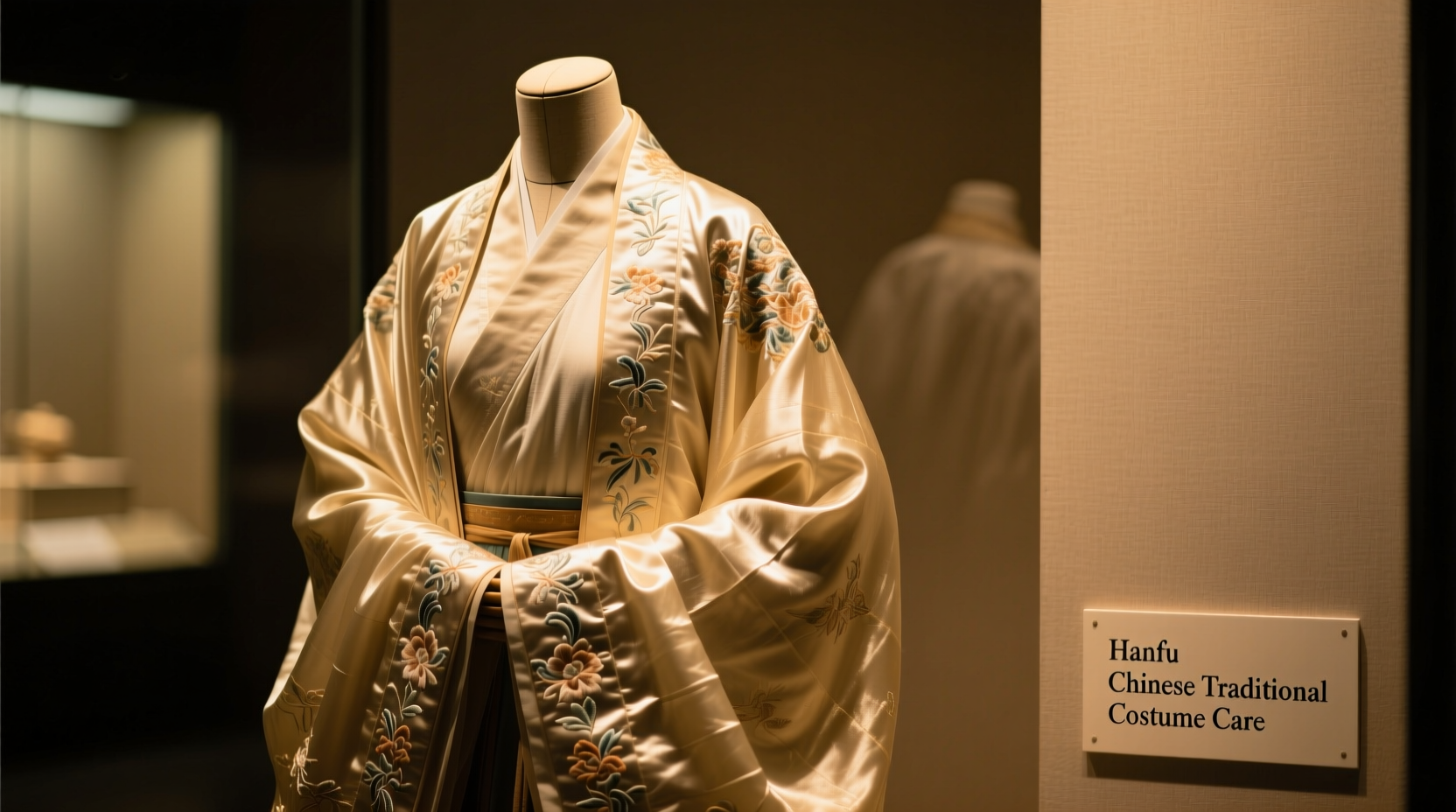
- Storage: Store silk and linen garments in breathable cotton garment bags. Never hang heavy, multi-layered Ming jackets by the collar for long periods, as the weight of the fabric will distort the neckline; fold them flat in a drawer with cedar blocks to deter moths.
Final Thoughts on the Hanfu Movement
Stepping out in public wearing hanfu is an act of cultural continuity. It bridges centuries of textile artistry with the dynamism of modern life. By investing in historically informed silhouettes, prioritizing natural and durable fabrics, and adhering to foundational etiquette like the Jiaoling Youren collar rule, you ensure that your presence in public spaces is not just a fashion statement, but a respectful homage to a profound cultural legacy. Whether you are sourcing a luxury woven jacket from Ming Huatang or styling a daily-wear cotton skirt from Chonghui Hantang, the streets are your runway, and history is your guide.