Hanfu Care Guide: Preserve Your Chinese Costume
The Hanfu Renaissance and the Need for Specialized Care
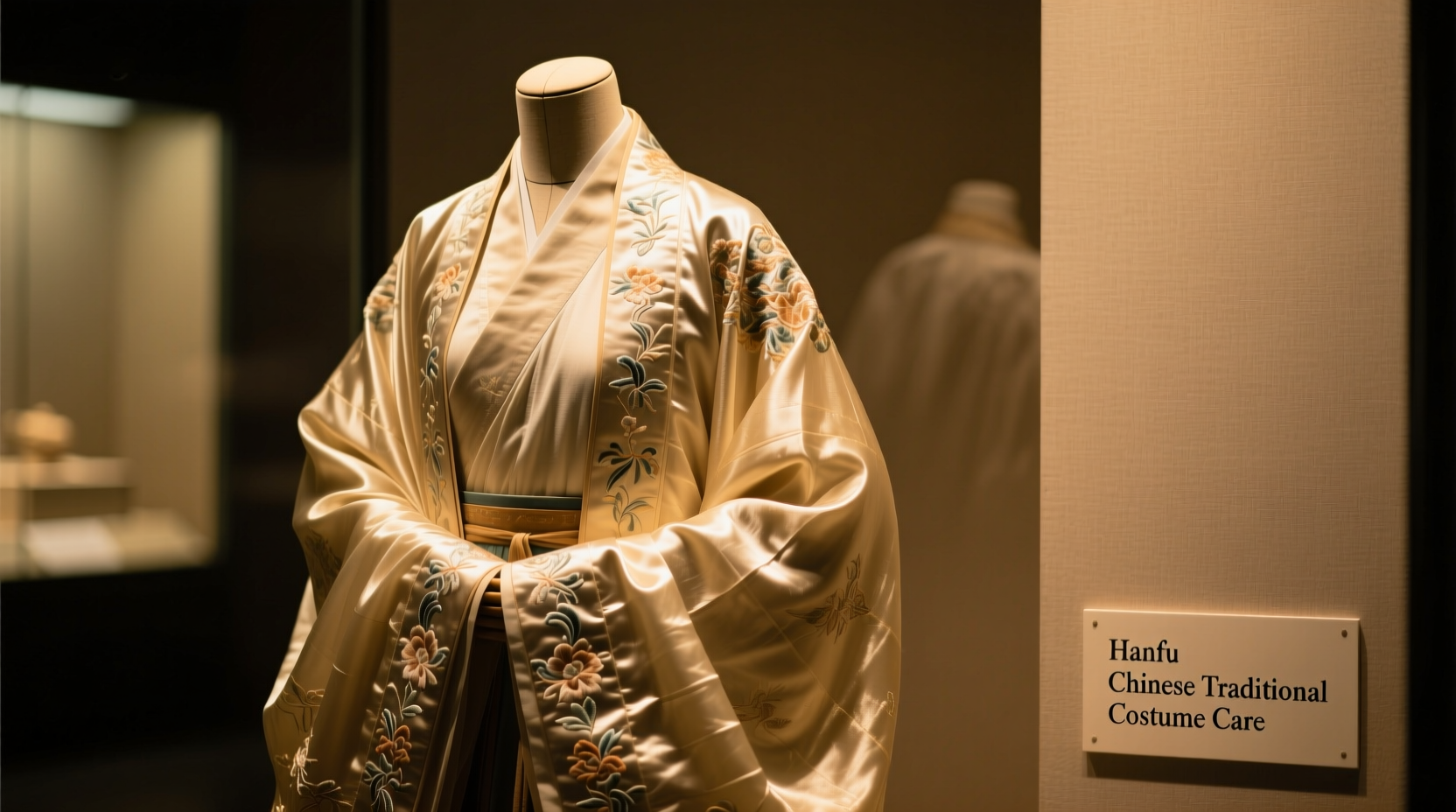
The global resurgence of the Hanfu Yundong (Hanfu movement) has transformed the hanfu chinese traditional costume from a niche historical interest into a vibrant, living wardrobe. Whether you are wearing a flowing Tang dynasty Qixiong Ruqun (chest-high skirt and blouse) for a summer festival or a structured Ming dynasty Aoqun (lined jacket and skirt) for winter ceremonies, these garments represent centuries of sartorial evolution. However, the diverse textiles used in Hanfu construction—from delicate mulberry silks to crisp ramie and modern synthetic brocades—demand highly specific care protocols.
Investing in a hanfu chinese traditional costume is a financial and cultural commitment. While everyday cotton and polyester blend sets typically range from $40 to $90 USD, authentic Ming-style heavy brocade sets can cost between $150 and $350 USD. Heritage pieces crafted from Xiangyunsha (gambiered silk) frequently exceed $800 USD. Proper maintenance not only protects your financial investment but also honors the artisanal heritage of Chinese textile crafts. This comprehensive guide provides actionable, expert-level maintenance frameworks for your Hanfu collection.
Decoding Hanfu Textiles: What Are You Washing?
Before introducing water or heat to your garments, you must identify the fiber composition. Traditional Hanfu relies heavily on natural fibers, while contemporary makers often utilize synthetics for durability and cost-efficiency.
Mulberry Silk and Xiangyunsha (Gambiered Silk)
Mulberry silk (Sangcan Si) is the cornerstone of luxury Hanfu. It is highly sensitive to alkaline substances, heat, and UV light. A specialized subset is Xiangyunsha, a heritage silk from Guangdong province dyed with the juice of the Dioscorea cirrhosa yam and coated with iron-rich river mud. According to the China National Silk Museum, the unique chemical bond between the tannins and iron gives Xiangyunsha its signature dark, crackled patina and water-resistant properties. Alkaline detergents will instantly strip this mud-dye finish, ruining the garment.
Ramie (Zhu Ma) and Organic Cotton
Historically worn by commoners and scholars alike during the Song and Ming dynasties, ramie (Zhu Ma) is a bast fiber known for its exceptional breathability and crisp drape. Unlike silk, ramie can withstand higher temperatures and gentle machine washing, though it is highly prone to deep wrinkling. Cotton (Mian) is frequently used for inner garments (Zhongyi) and everyday Ruqun sets due to its softness and ease of care.
Modern Synthetics and Blends
To achieve the voluminous drape of Tang dynasty Pibo (silk shawls) or the sharp pleats of a Mamianqun (horse-face skirt) at an accessible price point, modern makers utilize polyester chiffon, organza, and jacquard blends. While highly durable and colorfast, these fabrics are extremely heat-sensitive and will melt or scorch under a hot iron.
The Master Washing Matrix
Improper washing is the leading cause of textile degradation in traditional garments. The following matrix outlines the safest cleaning protocols based on fabric type. Always consult the maker’s specific care tag, as modern metallic threads (Zhijin) woven into brocades may require dry cleaning.
| Fabric Type | Water Temperature | Detergent Requirement | Washing Method | Drying Protocol |
|---|---|---|---|---|
| Mulberry Silk | Cold (Max 30°C / 86°F) | pH-neutral silk wash | Hand wash, no wringing | Shade dry flat |
| Xiangyunsha (Gambiered) | Cold (Max 25°C / 77°F) | Mild acidic/neutral wash | Quick hand swish, no soaking | Shade dry, avoid wind |
| Ramie / Linen | Warm (Max 40°C / 104°F) | Standard mild detergent | Machine (delicate bag) or hand | Line dry in partial shade |
| Cotton (Zhongyi/Ruqun) | Cool to Warm | Color-safe detergent | Machine (gentle cycle) | Tumble dry low or line dry |
| Polyester Chiffon/Organza | Cold | Standard mild detergent | Machine (delicate bag) | Hang dry (drips dry quickly) |
Spot Cleaning the Collar: The Jiaoling Youren (cross-collar, right-over-left) neckline rests directly against the skin, accumulating natural oils and cosmetics. Instead of washing the entire outer robe (Waipao), use a soft cloth dampened with a diluted, pH-neutral enzyme cleaner to gently dab the inner collar band after each wear.
Preserving the Mamianqun: Pleat Maintenance
The Mamianqun (horse-face skirt) is an icon of Ming and Qing dynasty fashion, characterized by its flat front and back panels (ma mian) and intricate side knife pleats. Washing a Mamianqun without preparing the pleats will result in a chaotic, un-ironable mess.
- Pre-Wash Pleat Setting: Before the skirt touches water, lay it flat and align the pleats perfectly. Use specialized skirt clips or baste the pleats loosely with a needle and white cotton thread to hold them in place during the wash cycle.
- The Wash: Place the clipped skirt inside a large, structured mesh laundry bag. Wash on a delicate cycle with cold water to prevent the synthetic or silk blends from warping.
- Post-Wash Realignment: While the skirt is still damp, remove the clips and re-align the pleats by hand. Hang the skirt by the waistband using a clip-hanger, allowing the weight of the wet fabric to pull the pleats straight.
Ironing and Steaming Protocols
Heat application must be meticulously matched to the fiber. The Victoria and Albert Museum's textile conservation guidelines emphasize that direct heat on historic or delicate fibers can cause irreversible scorching and fiber embrittlement.
- Silk and Xiangyunsha: Never use a direct iron. Use a handheld steamer held at least two inches away from the fabric. If an iron must be used, set it to the lowest 'Silk' setting and always use a pressing cloth (a clean, white cotton pillowcase works perfectly) between the iron and the Hanfu.
- Ramie and Cotton: These fibers respond best to high heat and steam. Iron while the garment is still slightly damp to achieve the crisp, structured look required for Song dynasty Beizi (long outer coats).
- Brocade and Zhijin (Gold Thread): Iron strictly on the reverse side. The metallic threads woven into Ming-style Ao jackets will melt and leave permanent black smears if exposed to a hot iron plate.
Archival Storage and Pest Prevention
How you store your hanfu chinese traditional costume during the off-season is just as critical as how you wash it. Improper storage leads to shoulder dimples, permanent creases, and pest infestations.
Hanging vs. Folding
Heavy garments, such as winter Pifeng (cloak) or thick brocade Aoqun, should be hung on wide, padded wooden hangers. Wire hangers will distort the shoulder seams and cause the heavy fabric to stretch out of shape. Conversely, delicate silks, heavily embroidered Yunjian (cloud shoulders), and pleated Mamianqun should be folded to prevent gravity-induced stress on the fibers.
The Folding Technique
When folding silk Hanfu, pad the folds with acid-free tissue paper. This prevents hard creases from forming along the fold lines, which can eventually lead to fiber snapping. Store the folded garments in breathable cotton canvas storage boxes, avoiding plastic bins which trap moisture and promote mildew growth.
Natural Pest Deterrents
Silk and wool are prime targets for clothes moths and carpet beetles. Avoid chemical mothballs, which contain naphthalene and will permanently taint the porous silk fibers with a toxic odor. Instead, utilize traditional Chinese botanical deterrents: sachets of dried mugwort (Ai Cao), cloves, and cedar wood blocks. The Metropolitan Museum of Art's textile conservation department notes that maintaining a stable, low-humidity environment (below 50% RH) is the most effective deterrent against both pests and mold.
Cultural Etiquette and Handling
"To wear Hanfu is to carry the weight of history on one's shoulders. Treating the garment with mindfulness is an extension of the respect we hold for the ancestors who pioneered these weaving and dyeing techniques."
Caring for a hanfu chinese traditional costume goes beyond mere laundry; it is an act of cultural preservation. When dressing, ensure your hands are clean and free of heavy lotions or self-tanners that could stain the pristine white collars of your Zhongyi (inner layer). When attending outdoor events, be mindful of muddy hems and the delicate nature of trailing Qixiong skirts. By integrating these meticulous care practices into your routine, you ensure that your Hanfu remains a vibrant, respectful, and beautiful testament to Chinese sartorial heritage for generations to come.