Hanfu Chinese Dress: Modern Styling & Wear Guide 2026

The Living Renaissance of Hanfu Chinese Fashion
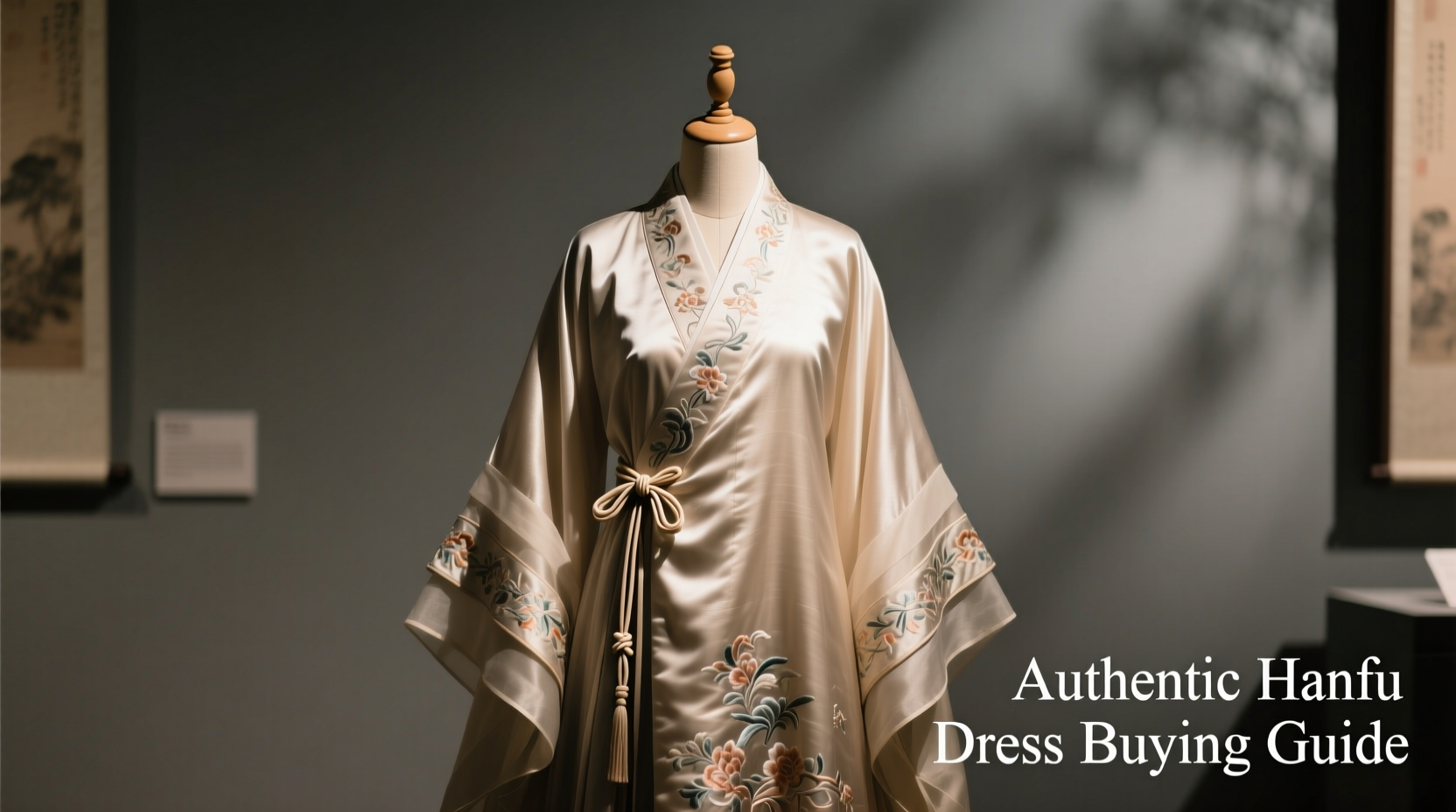
The global resurgence of traditional Han Chinese clothing—widely recognized in search and cultural circles as hanfu chinese fashion—is no longer confined to historical reenactments or museum exhibits. Driven by the grassroots Hanfu Yundong (Hanfu Movement) that began in the early 2000s, this sartorial revival has evolved into a sophisticated, everyday style system. For the modern wearer, integrating these garments into a contemporary wardrobe requires an understanding of historical silhouettes, textile behavior, and profound cultural protocols.
This guide moves beyond basic costume overviews, offering actionable styling frameworks, seasonal textile recommendations, and market navigation tips for incorporating authentic Han Chinese dress into your 2026 wardrobe.
Beyond the Costume: The Philosophy of Hanyuansu
Before assembling a full traditional ensemble, modern stylists often turn to Hanyuansu (汉元素), which translates to 'Hanfu elements.' This styling philosophy involves integrating traditional structural components or motifs into modern, Western-cut clothing, or vice versa. It is the bridge between heritage and practicality.
Practical Hanyuansu Pairings
- The Mamianqun and the Turtleneck: The Ming Dynasty horse-face skirt (Mamianqun) features a flat front and back with deep side pleats. In winter, pairing a heavy, woven jacquard Mamianqun with a fitted, modern merino wool turtleneck and a tailored wool blazer creates a striking, professional silhouette that respects the skirt's volume without overwhelming the upper body.
- The Song Dynasty Beizi over Denim: The Beizi is a straight-cut, open-front outer jacket with side slits. Wearing a lightweight, raw-silk Beizi over a crisp white t-shirt and straight-leg denim offers an effortless, bohemian layering piece that drapes beautifully in motion.
- Ruqun Tops as Modern Blouses: The upper garment of the Ruqun (jacket and skirt set) often features a cross-collar. When tucked into a high-waisted modern midi skirt or tailored trousers, the structured collar and wide sleeves provide a romantic, avant-garde aesthetic suitable for creative workspaces.
Silhouette Architecture: Matching Garments to Occasions
Understanding the historical roots and structural geometry of different Hanfu styles is crucial for appropriate modern styling. Below is a functional breakdown of primary silhouettes and their best contemporary use cases.
| Garment Style | Dynasty Origin | Key Structural Features | Modern Styling Use Case |
|---|---|---|---|
| Mamianqun (Horse-face Skirt) | Ming (1368–1644) | Overlapping flat panels, side pleats, decorative lan (borders) | Office wear, winter events, formal dinners (paired with modern knits or traditional Ao jackets) |
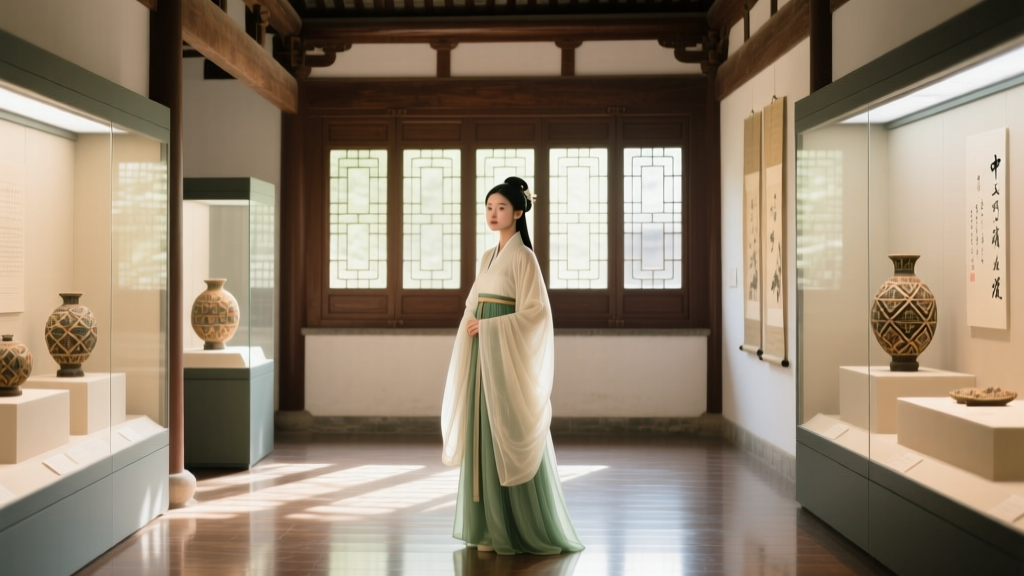
| Qixiong Ruqun (Chest-high Skirt) | Tang (618–907) | Skirt tied above the bust, wide sheer shawls (Pibo), voluminous sleeves | Summer festivals, gala events, editorial photography (requires secure tying techniques) |
| Beizi (Open Outer Jacket) | Song (960–1279) | Straight silhouette, parallel collar, side slits to the armpit or hip | Casual layering, transitional spring/autumn outerwear, resort wear |
| Duoluo (One-piece Robe) | Ming / Qing transition | Round collar, side fastenings, structured waist | Academic ceremonies, formal cultural delegations, minimalist formal wear |
The Sacred Geometry of the Lapel and Pleat
Wearing Hanfu requires strict adherence to cultural protocols, the most critical being the direction of the collar. The foundational rule of Han Chinese dress is Jiaoling Youren (交领右衽)—the cross-collar must always overlap with the left side over the right side.
Cultural Warning: In traditional Chinese cosmology and funerary practices, reversing the lapel (right over left, or Zuoren) is strictly reserved for dressing the deceased or certain historical ethnic minorities. Wearing a garment right-over-left in daily life is considered highly inauspicious and deeply disrespectful to the living tradition.
Similarly, the pleating of the Mamianqun is not arbitrary. Authentic Ming-style skirts utilize a specific trapezoidal pleating structure that allows the side pleats to remain hidden when standing still, revealing the intricate woven lan (decorative borders) only during movement. When buying or styling, ensure the flat front panel sits perfectly centered on your body to maintain this architectural intent.
Seasonal Textiles: Sourcing Authentic Weaves
The drape and movement of Hanfu are entirely dependent on the textile. Modern fast-fashion Hanfu often relies on stiff polyester, which ruins the historical silhouette. To achieve an authentic look, one must source natural fibers.
Spring and Summer: Ramie and Gambiered Gauze
For humid summers, look for garments made from Xiangyunsha (gambiered gauze). As documented by the China National Silk Museum, this intangible cultural heritage textile is dyed using the juice of the Dioscorea cirrhosa tuber and coated with iron-rich river mud from the Pearl River Delta. The result is a rustling, water-resistant, and incredibly cooling silk that feels like crisp paper. Alternatively, raw ramie (Zhuma) offers a beautiful, textured slub that breathes exceptionally well and softens with every wash.
Autumn and Winter: Song Brocade and Heavy Silks
Winter styling calls for Song Jin (Song Brocade) or heavy jacquard silks. These fabrics possess the structural integrity required to hold the wide, sweeping sleeves of a Ming Dynasty Pifeng (cloak) or the stiff, regal collars of a Liling Ao (standing-collar jacket). According to archives maintained by The Palace Museum, historical winter garments were often lined with animal pelts or quilted cotton; modern wearers can replicate this volume by layering thermal silk undergarments beneath heavy brocade outer layers.
Navigating the Market: Price Tiers and Artisan Brands
The Hanfu market has matured significantly, moving away from cheap theatrical costumes toward historically informed, artisan-crafted garments. When shopping online (primarily via Taobao or specialized global boutiques), it is essential to understand the price tiers to ensure you are supporting ethical manufacturing and accurate historical reproduction.
- Entry-Level / Mass Market (150 - 350 RMB / $20 - $50 USD): Brands like Shisan Yu or Hantime offer accessible, machine-washable polyester-cotton blends. These are excellent for beginners testing out Hanyuansu pairings, though they lack the drape of natural fibers.
- Mid-Tier / Independent Studios (500 - 1,500 RMB / $70 - $210 USD): Studios focusing on specific dynasty reproductions (e.g., Song Dynasty minimalism) use real mulberry silk, linen, and traditional plant dyes. Look for shops that provide museum-reference citations for their patterns.
- Couture / Museum-Grade Reproduction (3,000+ RMB / $420+ USD): High-end artisan cooperatives like Ming Hua Tang specialize in exact Ming Dynasty reproductions. They utilize hand-woven silks, real gold-leaf thread wrapping, and meticulous hand-sewn pleating. As noted in textile exhibitions at the Metropolitan Museum of Art's Asian Art department, the complexity of these weaves represents the pinnacle of pre-industrial textile engineering.
Footwear and Grooming: Grounding the Look
A common pitfall in modern Hanfu styling is neglecting the extremities. The sweeping hems of a Mamianqun or the wide sleeves of a Daxiushan demand intentional grounding.
Footwear Protocols
While traditional Yunxie (cloud-head shoes) or embroidered cloth boots are historically accurate, they can be difficult to source in modern ergonomic sizes. For contemporary wear, minimalist leather loafers, velvet Mary Janes, or even clean, monochromatic ankle boots complement the structured hems of Ming-style skirts without breaking the visual line. Avoid highly technical athletic sneakers, as their aggressive tread and synthetic mesh clash with the organic drape of the silk.
Hair and Accessories
The modern Hanfu movement favors elegant restraint over theatrical hairpieces. A simple, polished wooden or jade hair stick (Zanzi) securing a low, twisted chignon honors the traditional aesthetic while remaining practical for a commute. When selecting jade accessories, opt for nephrite (Ruan Yu) pendants tied with hand-knotted silk macramé, avoiding the plastic, mass-produced 'costume' jewelry that floods tourist markets.
Final Thoughts on Cultural Stewardship
Styling Hanfu Chinese traditional dress in the modern era is an act of cultural stewardship. It requires moving past the superficial beauty of the garments to understand the engineering of the pleats, the philosophy of the lapels, and the heritage of the loom. By investing in authentic textiles, respecting the structural rules of the silhouettes, and thoughtfully integrating these pieces into contemporary life, modern wearers ensure that this ancient sartorial language continues to evolve and thrive in the 21st century.