The Ultimate Hanfu Dress Buying Guide: Where to Shop in 2026
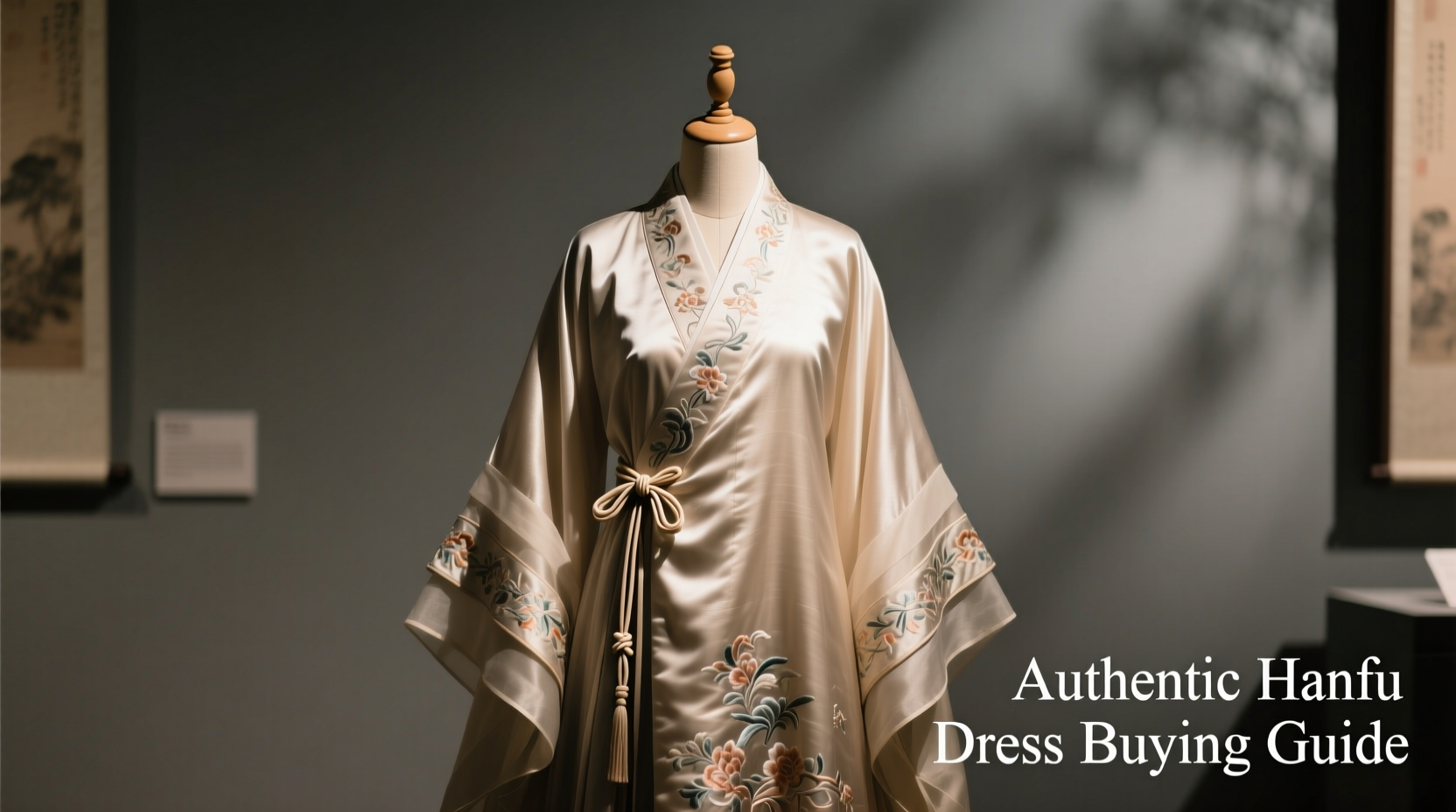
Decoding the Hanfu Dress: Beyond the Modern Trend
The global resurgence of the hanfu dress is one of the most fascinating cultural fashion movements of the 21st century. Often confused by Western consumers with the form-fitting qipao (cheongsam) or the Japanese kimono, the hanfu (汉服) actually refers to the historical clothing system of the Han Chinese, spanning over three millennia from the Yellow Emperor era to the late Ming Dynasty. As the BBC Culture's exploration of the Hanfu movement notes, this is not merely a costume trend, but a profound reclamation of cultural identity by younger generations. For international buyers in 2026, navigating the market requires an understanding of historical silhouettes, traditional flat-cutting construction, and the nuanced differences between mass-produced theatrical wear and authentic, museum-grade garments. Whether you are attending a traditional tea ceremony, participating in a Hanfu parade, or simply integrating a Ming Dynasty jacket into your modern wardrobe, this guide will help you invest in pieces that honor the garment's rich heritage.
Core Silhouettes: Which Hanfu Dress Style Fits You?
Unlike Western tailoring, which relies on darts and seams to contour the body, the hanfu dress utilizes a flat-pattern cutting system. The fabric is cut in straight lines and draped, allowing the garment to flow elegantly over the wearer's natural shape. When shopping, you will encounter several foundational silhouettes, each rooted in a specific dynasty's aesthetic.
| Style Name | Dynasty Origin | Key Construction Features | Best Use Case |
|---|---|---|---|
| Ruqun (襦裙) | Tang / Song | A short blouse (ru) paired with a high-waisted or waist-level wrap skirt (qun). Features wide, flowing sleeves. | Summer wear, outdoor festivals, romantic and ethereal styling. |
| Aoqun (袄裙) | Ming | A longer, lined or padded jacket (ao) worn over a skirt. Often features the iconic Mamianqun (horse-face skirt). | Cold weather, formal events, historical accuracy enthusiasts. |
| Shenyi (深衣) | Pre-Qin / Han | A one-piece, full-body robe where the upper and lower garments are sewn together at the waist. | Ceremonial wear, scholarly aesthetics, formal rites of passage. |
| Beizi (褙子) | Song | A long, open-front coat or overdress with straight collars and side slits, worn over an inner blouse and skirt. | Layering, transitional weather, elegant everyday wear. |
Fabric & Construction: What to Look for in Quality Garments
When evaluating a hanfu dress, the fabric composition and adherence to traditional construction rules are paramount. The most critical cultural rule in Hanfu construction is Jiaoling Youren (交领右衽), which translates to 'cross-collar, right lapel.' The left side of the garment must always cross over and cover the right side, creating a 'y' shape at the neckline. According to historical records preserved in institutions like the Smithsonian National Museum of Asian Art, reversing this (left lapel) was strictly reserved for the deceased or considered a mark of 'barbarian' cultures in ancient times. Any vendor selling a 'hanfu' with a left-over-right lapel is selling a theatrical costume, not an authentic cultural garment.
Understanding Traditional Textiles
Authentic Hanfu relies heavily on woven patterns rather than printed ones. Look for terms like Song Brocade (宋锦) or Zhuang Brocade (壮锦), which feature complex, raised woven motifs. For high-end investments, seek out Xiangyunsha (香云纱), also known as 'cantle mud silk.' This intangible cultural heritage fabric from Guangdong is dyed using the juice of the Dioscorea cirrhosa plant and coated with iron-rich river mud, resulting in a waterproof, rustling silk that feels like soft leather and darkens beautifully with age. The Victoria and Albert Museum's Asian textile archives frequently highlight the incredible durability and complex dyeing processes of traditional Chinese silks, which modern artisans are now reviving.
Sizing, Fit, and the Art of Layering
Because hanfu is flat-cut, it is inherently forgiving and relies on ties and sashes rather than zippers, buttons, or elastic. Most reputable vendors use standard Asian sizing (S, M, L, XL) based on height and weight rather than strict bust/waist measurements.
- The Wrap Skirt (Qun): Mamianqun and other wrap skirts are adjusted by overlapping the waist ties. Ensure the vendor provides the 'skirt length' measurement; it should ideally fall to your ankles or mid-calf to avoid dragging on the ground.
- The Top (Ao/Ru): Pay attention to the sleeve length. Traditional styles like the Pipa sleeves (curved and tapered at the wrist) or Broad sleeves (wide and floor-grazing) require precise arm-length measurements to ensure the cuffs sit correctly when your arms are resting at your sides.
- Layering: A proper hanfu outfit is never just one layer. It requires an inner layer (Zhongyi), usually a simple white cotton cross-collar top and pants, which protects the delicate silk outer layers from sweat and provides structural modesty.
Trusted Global Vendors: Where to Buy Authentic Hanfu in 2026
The market is flooded with cheap, mass-produced 'ancient Chinese style' (Gu Feng) costumes that lack historical integrity. To purchase a genuine hanfu dress, you must buy from brands that employ historical pattern drafting and traditional weaving mills.
1. Minghuatang (明华堂)
Best for: Museum-grade Ming Dynasty Aoqun and Mamianqun.
Minghuatang is the gold standard in the Hanfu community. Founded in 2007, this brand operates more like a historical research institute than a fashion label. They study excavated Ming Dynasty garments to recreate exact weaving patterns, utilizing real gold and silver threads. Their horse-face skirts are legendary for their heavy, structured drape and impeccable pleat retention. Note: Lead times can be 3 to 6 months, as pieces are often made-to-order.
2. Shizhan Hanfu (十三余 / 十三月)
Best for: Accessible, romantic Tang and Song dynasty styles, beginner-friendly sets.
Shizhan offers beautifully embroidered Ruqun and Beizi sets that are historically inspired but adapted for modern comfort and ease of wear. They frequently collaborate with cultural IPs and offer excellent customer service for international shipping via their global storefronts.
3. Newhanfu & Hanfuworld
Best for: Curated global shopping and English-speaking customer support.
If navigating Chinese domestic marketplaces like Taobao is too daunting, these curated e-commerce platforms act as bridges. They vet their suppliers for historical accuracy (avoiding the dreaded 'left-over-right' lapel errors) and provide detailed English size charts, fabric care guides, and styling tutorials.
Price Tiers and What Your Budget Buys
Understanding the pricing landscape will protect you from overpaying for synthetic costumes or underestimating the cost of true artisanal silk.
- Entry-Level ($40 - $90 USD): Expect polyester-blend chiffons, machine-embroidered motifs, and printed brocade patterns. Suitable for casual wear, cosplay, or first-time buyers wanting to test the silhouette. Brands like Chongyang Hanfu dominate this space.
- Mid-Tier ($120 - $300 USD): This is the sweet spot for quality. You will find genuine mulberry silk, real woven brocade (not printed), hand-finished seams, and intricate Suzhou embroidery. The skirts will have proper weighted hems to maintain the pleats.
- Artisan & Bespoke ($400 - $1,500+ USD): Reserved for heritage brands like Minghuatang or specialized Xiangyunsha weavers. These garments feature real precious metal threads, hand-loomed textiles, and are considered wearable investments that appreciate in cultural value.
Caring for Your Silk and Brocade Investment
Authentic hanfu requires meticulous care to preserve its structural integrity and color vibrancy.
Store your hanfu dress flat or rolled. Hanging heavy silk skirts on standard wire hangers will cause the waistband to stretch and the pleats to fall out over time. Use acid-free tissue paper to stuff the sleeves and bodice when storing in a breathable cotton garment bag, keeping it away from direct sunlight which will rapidly fade natural plant dyes."Never wring or machine-wash woven brocade or Xiangyunsha. The tension will permanently destroy the pleats of a Mamianqun and strip the mud-silk coating. Always dry clean or gently hand-press in cold water with a pH-neutral silk detergent."
Final Thoughts on Wearing Hanfu Today
Investing in a hanfu dress is an invitation to participate in a living, breathing cultural renaissance. By prioritizing historical accuracy, supporting ethical artisan weavers, and respecting the profound symbolism woven into every cross-collar and pleated skirt, you are not just buying a garment—you are preserving a vital thread of human history. As you step out in your carefully curated Aoqun or flowing Ruqun, you carry the elegance of millennia with you.