Hanfu Chinese Dress: The Ultimate Occasion & Event Guide

The Renaissance of the Hanfu Chinese Dress
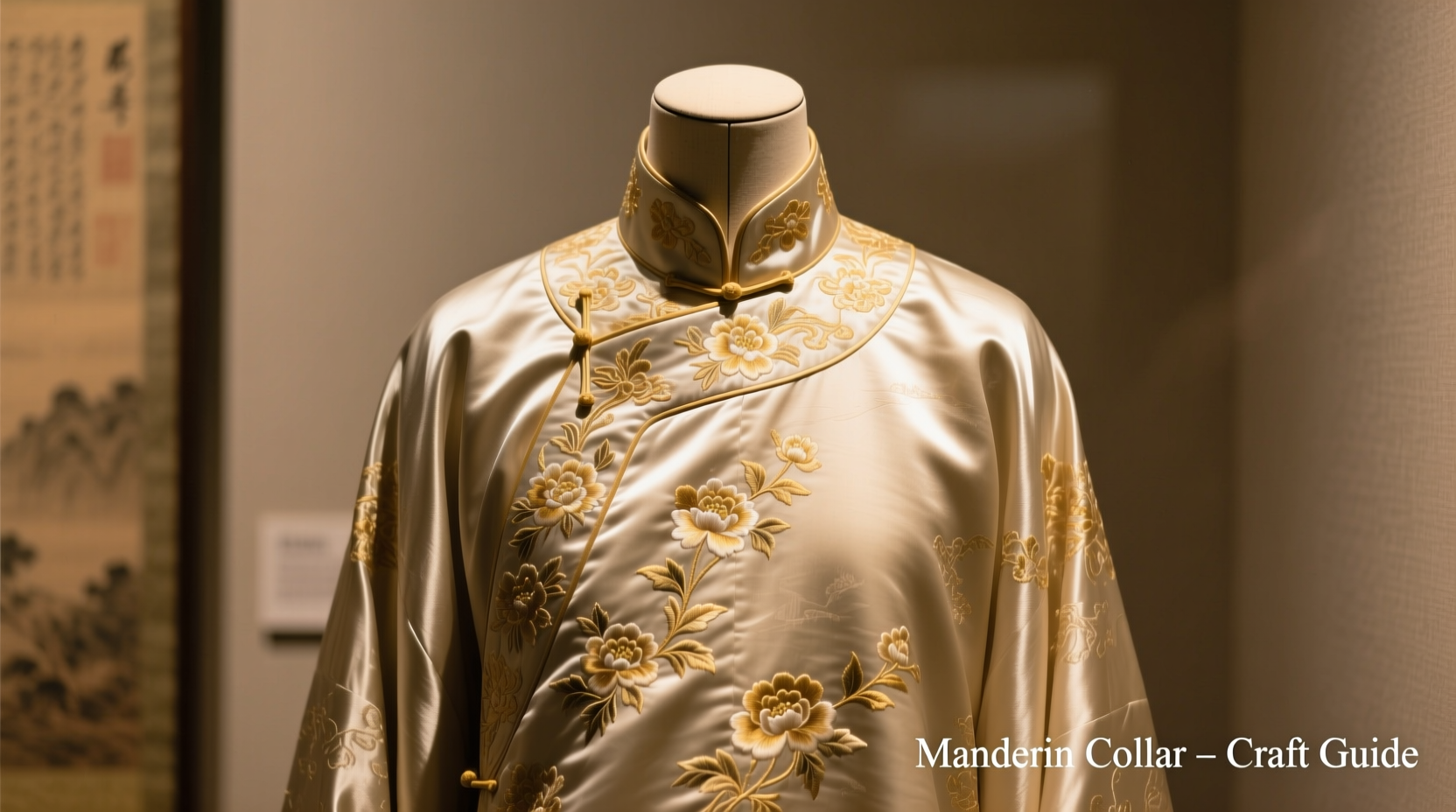
When international audiences hear the term 'Chinese dress,' the mind often defaults to the form-fitting, Manchu-influenced Qipao of the 1920s. However, the true indigenous sartorial heritage of the Han people is the Hanfu (汉服). Spanning over three millennia and abruptly halted by the Qing dynasty's sumptuary laws in 1644, Hanfu is currently experiencing a massive global renaissance. Driven by the 'Hanfu Movement' (Hanfu Yundong), younger generations are reclaiming these garments not as mere costumes, but as living, breathing formalwear for contemporary life.
Whether you are attending a traditional wedding, participating in a cultural festival, or seeking a profound alternative to Western evening gowns for a gala, navigating the world of Hanfu requires an understanding of historical silhouettes, regional textiles, and strict cultural protocols. This guide provides a comprehensive framework for selecting, sourcing, and styling a hanfu chinese dress for any occasion.
Decoding the Silhouettes: A Historical Framework
To select the right garment, one must first understand the foundational architecture of Hanfu. Unlike Western tailoring, which relies on darts and seams to contour the body, Hanfu is constructed from flat, geometric panels of fabric that drape naturally, reflecting the Daoist philosophy of Tianren Heyi (harmony between humanity and nature).
The defining characteristic of almost all Hanfu is Jiaoling Youren (交领右衽), meaning a cross-collar where the left lapel crosses over the right. The sleeves are typically voluminous, and the garments are secured with sashes rather than buttons. The three primary historical periods that dictate modern event-wear are the Tang (618-907), Song (960-1279), and Ming (1368-1644) dynasties, each offering a distinctly different silhouette suited to specific social settings.
The Event Matrix: Matching Silhouette to Significance
Choosing the correct hanfu chinese dress depends heavily on the formality, season, and cultural weight of the event. Below is a curated matrix to guide your selection.
| Occasion | Recommended Silhouette | Dynasty Influence | Fabric & Color Protocol |
|---|---|---|---|
| Traditional Wedding | Ming-style Aoqun & Mamianqun | Ming (1368-1644) | Heavy silk brocade, crimson red, gold-woven phoenix or dragon motifs. |
| Summer Lantern Festival | Qixiong Ruqun (Chest-high skirt) | Tang (618-907) | Lightweight chiffon or linen, vibrant jewel tones, floral embroidery. |
| Formal Tea Ceremony | Beizi (Outer jacket) & Baizhequn | Song (960-1279) | Muted, elegant pastels, damask silk, slender and understated aesthetics. |
| Coming of Age (Jili/Guanli) | Shenyi (Deep robe) | Pre-Qin / Han | Black and red borders, unadorned silk or fine hemp, symbolizing maturity. |
| Winter Gala / Banquet | Yuanlingpao (Round-collar robe) with Pibo | Tang / Ming | Velvet or heavy brocade, deep gem tones, lined with faux or real fur. |
The Mamianqun (horse-face skirt) deserves special mention. Characterized by its flat front and back panels with heavily pleated sides, this Ming dynasty staple has become the most versatile item in the modern Hanfu wardrobe. It can be paired with a traditional top for a wedding or a modern silk blouse for a contemporary black-tie event.
Navigating Cultural Protocols and Etiquette
Wearing a hanfu chinese dress carries profound cultural weight, and adhering to traditional etiquette is paramount to showing respect for the heritage.
The Rule of the Collar
The most critical rule in Hanfu is the Jiaoling Youren (left over right). The left side of the collar must always overlap the right side. In traditional Chinese cosmology, the left represents Yang (life, light, and the living), while the right represents Yin (death, darkness, and the spirit world). Reversing this (right over left) is strictly reserved for dressing the deceased for burial. Wearing it incorrectly in public is considered highly inauspicious and deeply offensive.
Color Symbolism
While modern wearers have more freedom, traditional events still observe color semantics. Crimson and gold are mandatory for brides and joyous celebrations. Pure white and unadorned black were historically associated with mourning, though the Song dynasty's literati class later popularized a refined, pale aesthetic that is now acceptable for elegant, non-festive gatherings. Bright yellow was historically reserved for the imperial family and should generally be avoided for weddings to prevent upstaging the bride.
The Coming of Age Ceremonies
For young adults, the Jili (for women at age 15) and Guanli (for men at age 20) are profound rites of passage. These ceremonies involve the changing of garments three times, progressing from simple children's wear to formal scholarly robes, culminating in the pinning of hair with a Zan (hairpin) or the capping with a Guan (scholar's cap). If you are hosting or attending a Jili, modest, layered Han styles are the most historically appropriate.
Sourcing Authentic Garments: Price Tiers and Artisans
The market for Hanfu has exploded, but quality varies wildly. When investing in a hanfu chinese dress, it is essential to understand the tiers of production and the textiles involved. According to archival research and preservation efforts documented by the China National Silk Museum, authentic reproduction requires specialized weaving techniques that are currently undergoing a massive revival.
Tier 1: Mass-Market & Fast Fashion ($40 - $120 USD)
Brands on platforms like Taobao offer accessible entry points. These garments are typically made from polyester blends or basic cotton. While visually appealing for casual festivals or cosplay, they lack the structural drape and breathability required for formal, all-day events.
Tier 2: Premium Boutiques ($150 - $450 USD)
This tier features genuine mulberry silk, linen, and accurate historical patterning. Brands in this category often collaborate with historians to ensure the pleat ratios of Mamianqun and the sleeve curves of Shenyi are mathematically correct to historical artifacts. This is the recommended tier for weddings and formal galas.
Tier 3: Heritage Artisans & Custom Weaving ($600 - $3,000+ USD)
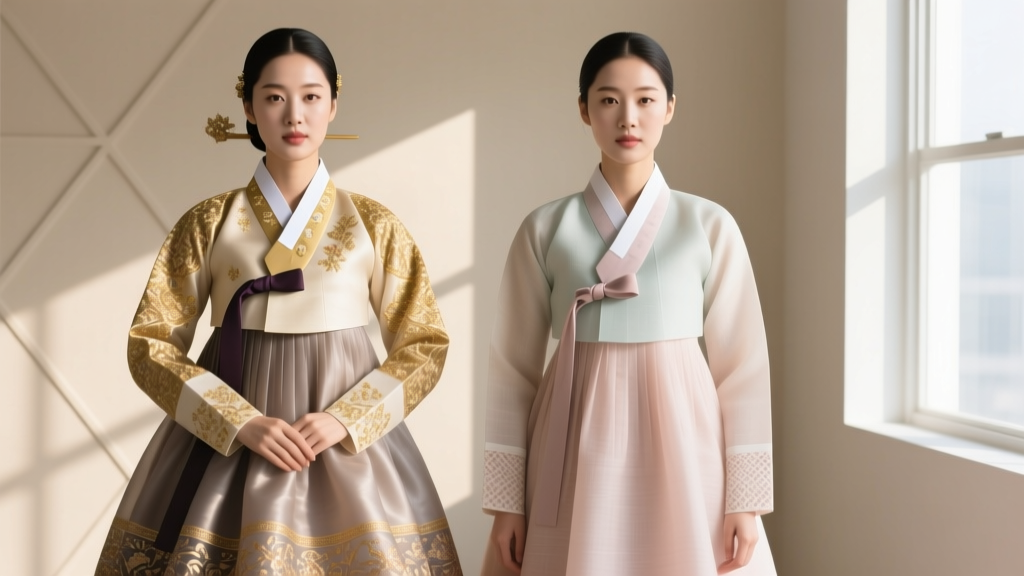
For the ultimate collector or a high-society wedding, artisan cooperatives produce garments using intangible cultural heritage techniques. This includes Kesi (cut silk tapestry) and Zhuanghua (brocade). A highly prized textile in this tier is Xiangyunsha (Gambiered Guangdong Gauze). As preserved and studied by institutions like the The Palace Museum, Xiangyunsha is dyed using the juice of the Shuliang yam and coated with iron-rich river mud, a process taking weeks and resulting in a dark, rustling, water-resistant silk that is incredibly luxurious.
Curating the Complete Ensemble: Accessories and Grooming
A hanfu chinese dress is incomplete without its accompanying accessories. The historical aesthetic relies heavily on the harmony between the garment and the wearer's grooming.
- Headwear: For formal events, women should incorporate Zan (single-prong hairpins) or Chai (double-prong pins) crafted from jade, silver, or enamel. Men attending formal events should utilize a Guan (cap) or Jin (headwrap) to contain the hair, as loose, unkempt hair was historically viewed as barbaric or uncivilized.
- Footwear: Traditional Yunxie (cloud shoes) feature upturned toes and embroidered silk uppers. For modern events where comfort is necessary, plain velvet flats or minimalist leather boots (for Ming-style winter wear) are acceptable substitutes.
- Props: A folding fan (Zheshan) or a round silk fan (Tuanshan) is not merely decorative; it is a tool for modesty and grace, often used in traditional photography and ceremony choreography.
The Global Stage: Wearing Hanfu Abroad
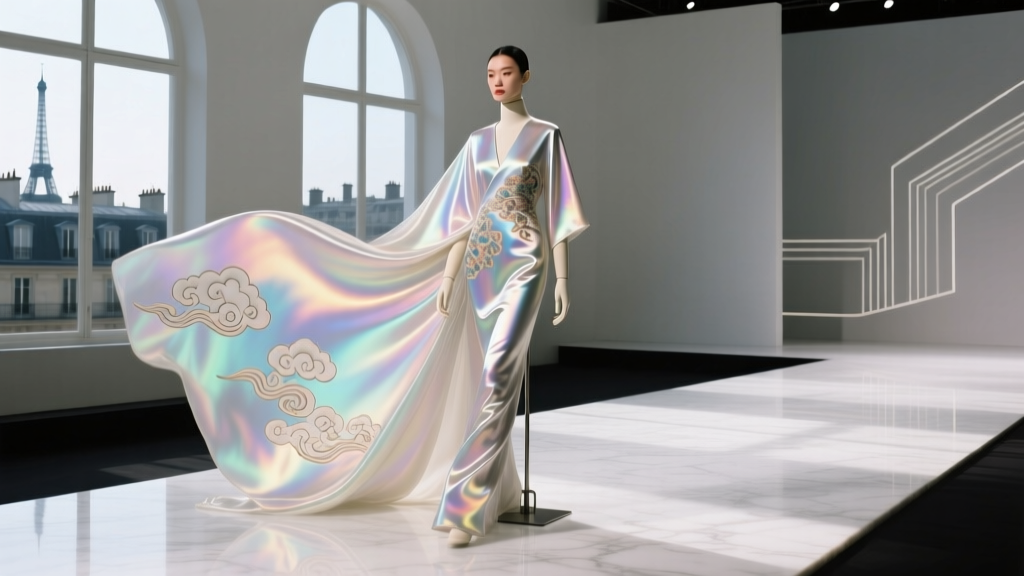
As the diaspora and global enthusiasts bring these garments to international spaces, wearing a hanfu chinese dress to a Western black-tie event or a university graduation is a powerful statement of cultural pride. When styling for a global audience, focus on the Ming dynasty's structured silhouettes, which translate beautifully to formal Western settings. A heavily embroidered, floor-length Mamianqun paired with a tailored, high-necked Ao (jacket) commands the same respect and presence as a haute-couture European gown.
Institutions like the Smithsonian National Museum of Asian Art have increasingly highlighted the evolution of Asian textiles, validating Hanfu not as a relic of the past, but as a dynamic, evolving sartorial tradition. By respecting the protocols of the collar, investing in authentic textiles, and understanding the historical weight of your chosen silhouette, you honor a three-thousand-year-old legacy while forging a new path for Asian cultural representation on the global stage.