Hanfu Han Dynasty Care Guide: Preserve Ancient Silk & Linen

The Enduring Legacy of Han Dynasty Textiles
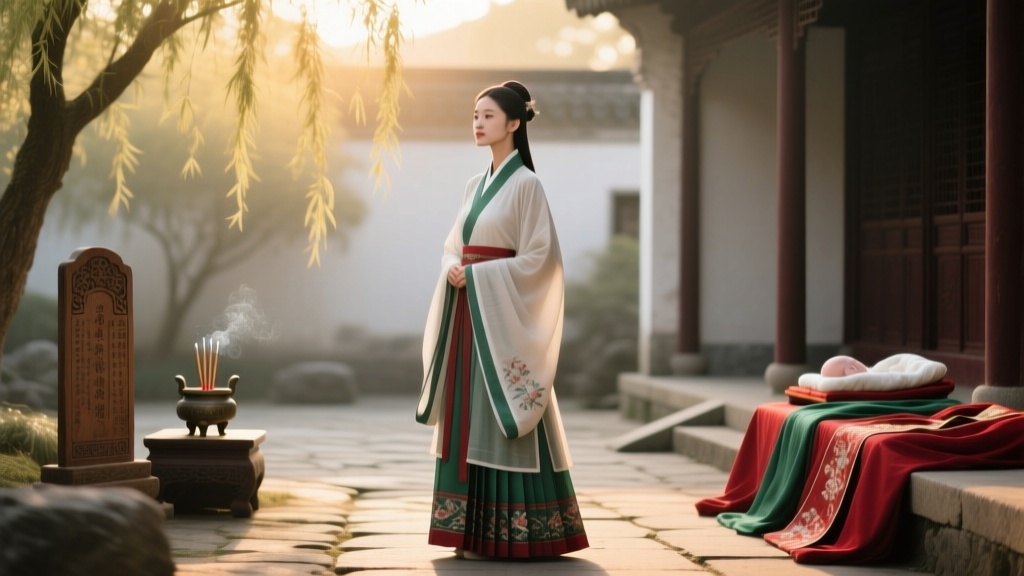
The Han Dynasty (202 BCE – 220 CE) represents a foundational era in Chinese sartorial history, establishing the silhouettes, weaving techniques, and philosophical dress codes that continue to influence the modern hanfu revival. When investing in high-quality Han Dynasty hanfu reproductions—such as the sweeping Qugupao (curved-hem robe) or the elegant Shenyi (deep robe)—you are not merely acquiring clothing; you are stewarding a piece of living cultural heritage. However, the very materials that make these garments historically accurate, such as delicate silk weaves and fugitive plant dyes, require meticulous, specialized care.
Unlike modern fast fashion, authentic Han dynasty hanfu relies on natural fibers and traditional tailoring. The absence of structural interfacing and the use of bias-cut hems mean that improper washing or storage can permanently distort the garment's drape. This comprehensive care guide provides actionable, museum-grade protocols for maintaining your historical garments, ensuring they remain pristine for decades.
Fabric Identification: Silk, Ramie, and Hemp
Before applying any water or detergent, you must accurately identify the fiber content of your hanfu. Han Dynasty weavers primarily utilized three categories of textiles, each with distinct chemical vulnerabilities:
- Silk (Si): The hallmark of Han aristocracy. Historical reproductions often use Bo (plain weave silk), Juan (tabby silk), or Qi (patterned weave). Silk is a protein fiber (fibroin) that is highly sensitive to alkaline substances, high heat, and protease enzymes.
- Ramie (Zhu) and Hemp (Ma): The primary fibers for commoners and summer wear. These are cellulose-based bast fibers. While more durable than silk, they are prone to severe wrinkling and can become brittle if repeatedly dried in direct, harsh sunlight.
- Blends and Brocades: Modern reproductions of Han Dynasty brocade (Jin) often incorporate metallic threads or synthetic stabilizers. These must be spot-cleaned or dry-cleaned, as immersion in water can tarnish the metallic elements and cause the heavy fabric to lose its structural integrity.
The Chemistry of Washing Historical Plant Dyes
The most critical challenge in maintaining Han dynasty hanfu is preserving the color. Historically accurate reproductions utilize natural plant dyes: safflower (Carthamus tinctorius) for crimson, indigo for deep blues, and pagoda tree buds for imperial yellows. These dyes are 'fugitive,' meaning they are not permanently bonded to the fiber at a molecular level and will bleed or fade if exposed to the wrong pH levels.
Standard laundry detergents are highly alkaline (pH 9-11) and contain optical brighteners and enzymes. Alkaline environments strip the acidic mordants used to bind plant dyes to silk, resulting in immediate color loss and a harsh, stiff hand-feel to the fabric. According to textile conservation guidelines from the Victoria and Albert Museum, historical and delicate textiles must only be cleaned using pH-neutral (pH 7.0) solutions.
Step-by-Step Handwashing Protocol for Silk Shenyi
- Preparation: Fill a clean basin with cold water, strictly below 30°C (86°F). Hot water opens the silk scales and accelerates dye bleeding.
- Detergent Selection: Add a capful of pH-neutral, enzyme-free silk wash (such as Eucalan or a specialized conservation-grade detergent). Never use bleach, fabric softeners, or standard liquid detergents.
- Immersion and Agitation: Submerge the garment gently. Do not wring, twist, or scrub the fabric. Instead, use a gentle 'press and lift' motion with your hands to push the soapy water through the fibers. Pay special attention to the inner collar and underarm areas, where natural body oils accumulate.
- The Rinse: Drain the soapy water and refill with cold water. Repeat the press-and-lift motion. Add a splash of white vinegar (about 1 tablespoon per gallon) to the final rinse; the mild acidity helps close the silk scales, locks in the plant dyes, and restores the fabric's natural luster.
Drying and Structural Ironing: Preserving the Jiaoling Youren
The defining characteristic of Han Dynasty hanfu is the Jiaoling Youren (cross-collar, right lapel over left). This structural element requires crisp, precise lines to sit correctly against the collarbone and neck. Improper drying will result in warped collars and stretched bias hems.
Drying: Never hang a wet silk Shenyi or Qugupao on a hanger. The weight of the water will pull the warp threads downward, permanently stretching the shoulders and distorting the hemline. Instead, lay the garment flat on a clean, dry cotton towel. Roll the towel and garment together like a Swiss roll to gently press out excess water without wringing. Unroll and lay flat on a mesh drying rack in a shaded, well-ventilated area. Avoid direct sunlight, which degrades silk fibroin and fades indigo dyes.
Ironing: Iron the garment while it is still slightly damp (about 10% moisture content). Set your iron to the 'Silk' or 'Low' setting (maximum 150°C / 300°F). Always use a clean cotton pressing cloth between the iron and the hanfu to prevent scorch marks and shine.
Collar Technique: To iron the Jiaoling Youren, lay the collar flat on the ironing board. Press along the folded edge using the tip of the iron, moving in the direction of the weave. Do not drag the iron back and forth, as this will cause the bias-cut collar to stretch and ripple.
Archival Storage Solutions for Heavy Robes
How you store your Han dynasty hanfu between wearings is just as vital as how you wash it. The heavy, multi-layered hems of the Qugupao and the wide, flowing sleeves of the Zhijupao require specific storage environments to prevent creasing and fiber fatigue.
The Metropolitan Museum of Art's Textile Conservation department advises against hanging heavy historical garments for long periods. Wire or thin plastic hangers will create permanent 'shoulder horns' and stress the delicate silk seams. If you must hang a lightweight Ruqun (jacket and skirt) for short-term display, use a wide, padded wooden hanger covered in unbleached cotton muslin.
For long-term storage, folding is the superior method. Line a cedar chest or archival plastic bin with acid-free tissue paper. Fold the robe along its natural seam lines, placing crumpled acid-free tissue inside the folds, sleeves, and collar to prevent hard creases from forming. Hard creases can eventually lead to 'creasing damage,' where the silk fibers break along the fold line. Refold the garment every six months along different lines to distribute the stress.
Troubleshooting Common Hanfu Care Issues
| Issue | Probable Cause | Corrective Action & Prevention |
|---|---|---|
| Dye Bleeding / Color Transfer | Alkaline detergent or water temperature above 30°C. | Wash separately in cold water with pH-neutral soap. Add a color-catching sheet. Use a vinegar rinse to set fugitive plant dyes. |
| Stiff, Brittle Silk Texture | Mineral buildup from hard water or residue from standard detergents. | Rinse in distilled water. Avoid air-drying in hard-water areas. Use a dedicated silk conditioner sparingly. |
| Warped or Rippling Collar | Dragging the iron across the bias-cut Jiaoling Youren or hanging while wet. | Steam the collar lightly and press with an up-and-down motion using a pressing cloth. Always dry flat. |
| Deep, Unremovable Creases | Stored folded without tissue padding or compressed under heavy items. | Hang the garment in a steamy bathroom for 20 minutes to relax the fibers, then lay flat and gently smooth with hands. |
| Yellowing of White Silk | Exposure to direct sunlight, sweat oxidation, or plastic dry-cleaning bags. | Store in breathable cotton garment bags, never plastic. Wash out perspiration immediately after wearing, as sweat is highly acidic and degrades silk. |
When to Seek Professional Conservation
While meticulous home care is sufficient for modern, high-quality reproductions, antique textiles or extremely fragile, heavily embroidered Han dynasty artifacts require professional intervention. If you acquire a genuine archaeological textile or a museum-grade reproduction featuring delicate gold-leaf couching or ancient metallic threads, do not attempt to wash it at home.
Institutions such as the Canadian Conservation Institute emphasize that historical textiles with structural weaknesses, shattered silk, or active biological threats (like mold or carpet beetles) must be assessed by a certified textile conservator. They utilize specialized techniques, such as localized micro-aspiration and custom-dyed supportive backing fabrics, to stabilize the garment without compromising its historical integrity.
Respecting the Garment, Respecting the Culture
Caring for Han dynasty hanfu is an act of cultural preservation. By understanding the material science behind the silk weaves and the historical context of the tailoring, you ensure that these magnificent garments continue to tell the story of early Chinese civilization. Treat your Shenyi and Ruqun not as disposable costumes, but as respected artifacts of a living tradition, and they will reward you with a lifetime of elegance and historical connection.