The Cheongsam Dress: A Beginner's Guide to History & Style
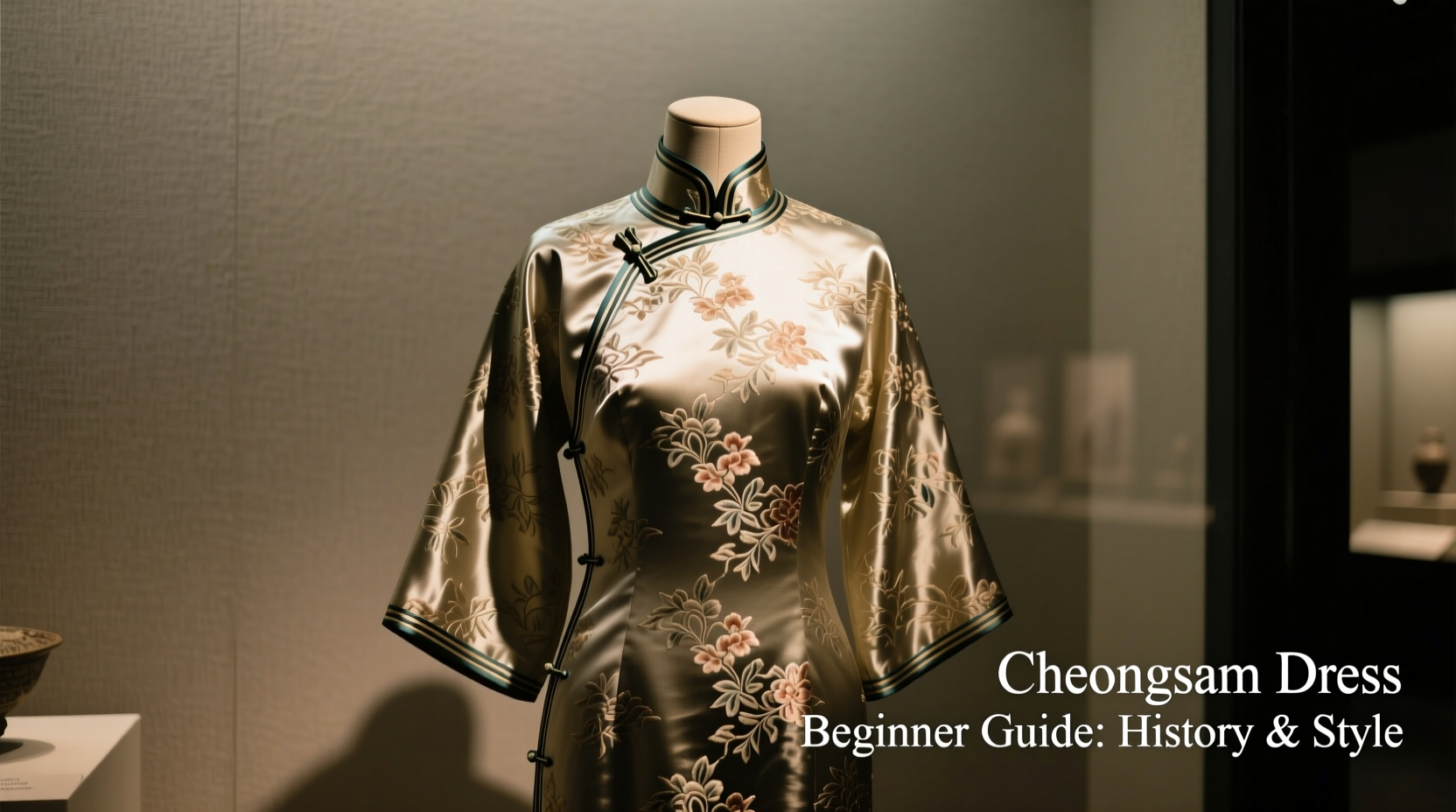
The cheongsam dress is arguably the most globally recognized silhouette in Asian fashion. Characterized by its high Mandarin collar, form-fitting bodice, and asymmetrical side fastenings, this garment is a masterclass in structural elegance. Yet, for beginners, navigating the rich history, complex terminology, and modern buying landscape of this iconic dress can be daunting. This comprehensive guide unpacks the cultural significance, anatomical construction, and styling protocols of the garment, ensuring you approach this living tradition with the respect and knowledge it deserves.
Decoding the Terminology: Cheongsam vs. Qipao
Before exploring the garment's history, it is essential to understand the linguistic nuances surrounding its name. While Western audiences predominantly use the term cheongsam, the terminology shifts depending on the Chinese dialect and region.
- Qipao (旗袍): The Mandarin term translating to 'banner gown.' It references the garment's origins among the Manchu people of the Qing Dynasty, who were organized into 'banners' (qi). This is the most widely used term in mainland China today.
- Cheongsam (長衫): The Cantonese translation meaning 'long dress.' This term was popularized globally through Hong Kong and early Western tailoring catalogs.
- Zansae: The Shanghainese pronunciation, reflecting the city's pivotal role in modernizing the garment's silhouette during the 1920s and 1930s.
According to The Metropolitan Museum of Art, understanding these regional terms is crucial for collectors and historians, as they often denote specific tailoring traditions and historical eras.
From Banner Robes to Shanghai Glamour: A Historical Timeline
The evolution of the cheongsam dress is a fascinating study in socio-political change and feminist rebellion.
The Qing Dynasty Origins (1644–1912)
The earliest iteration of the garment was the changpao, a loose, voluminous, floor-length robe worn by both Manchu men and women. It was designed for horseback riding and harsh northern climates, featuring wide sleeves and a straight, unstructured cut that completely concealed the wearer's figure.
The 1920s Feminist Movement
In the early 20th century, Chinese women began adopting the men's long robe as a symbol of gender equality and intellectual liberation. Female students at universities in Beijing and Shanghai wore these simplified, unadorned robes with trousers, rejecting the restrictive, heavily embroidered two-piece jackets and skirts (ao qun) of the Han tradition.
The 1930s Shanghai Golden Era
The modern, form-fitting silhouette was born in the cosmopolitan hub of 1930s Shanghai. Tailors began integrating Western construction techniques—such as darts, set-in sleeves, and bias cutting—into the traditional flat-cut pattern. As documented by the Victoria and Albert Museum, this era introduced the high side slits (kaicha) and the iconic calendar-girl illustrations that cemented the dress as a symbol of modern, urban femininity.
The Anatomy of the Garment: Tailoring and Construction
What separates an authentic cheongsam dress from a mass-produced costume is the intricate, highly specialized construction. Traditional tailoring relies on pingcai (flat pattern cutting), a 2D geometric approach to fabric that minimizes waste and respects the textile's natural drape, contrasting sharply with Western 3D darting.
Key Structural Elements
- The Mandarin Collar: A stiff, standing collar that frames the jawline. It is internally reinforced with interfacing to maintain its upright posture without choking the wearer.
- Pankou (Frog Fasteners): Hand-knotted silk buttons that serve both functional and decorative purposes. Master artisans can spend hours crafting intricate pankou motifs resembling plum blossoms, butterflies, or longevity knots.
- The Asymmetrical Lapel: The dajin (large lapel) sweeps from the center of the collar diagonally across the chest and down the side seam, creating a fluid, unbroken line across the bodice.
- Kaicha (Side Slits): Originally designed to facilitate movement and horseback riding, modern slits are carefully calibrated. A bespoke tailor will measure the slit height relative to the wearer's knee and stride length to ensure modesty and mobility.
Regional Variations: A Comparative Guide
The cheongsam dress is not a monolith; its silhouette adapts to regional climates, cultural preferences, and historical influences. Below is a comparison of the three dominant regional styles.
| Style Origin | Silhouette & Fit | Common Fabrics | Cultural Context |
|---|---|---|---|
| Shanghai (Hai Pai) | Highly tailored, form-fitting, high side slits, western darts. | Silk crepe de chine, lace, lightweight brocade. | Born from 1930s cosmopolitan glamour; emphasizes the natural curves. |
| Hong Kong | Shorter hemlines (knee-length), practical fit, lower collars. | Cotton, linen, washable synthetics, wool blends. | Adapted in the 1950s/60s for working women and tropical humidity. |
| Beijing (Jing Pai) | Looser, more conservative, straight cut, heavier embellishments. | Heavy silk brocade, velvet, Xiangyunsha. | Retains more Qing Dynasty modesty; favored for formal, traditional ceremonies. |
The Beginner’s Buying Guide: Fabrics, Fit, and Price Tiers
Purchasing your first authentic cheongsam dress requires an understanding of fabric composition and tailoring tiers. The China National Silk Museum highlights the importance of textile integrity, particularly when dealing with heritage silks.
Understanding Heritage Fabrics
For a premium garment, look for Xiangyunsha (Canton Gauze). This is a highly prized, intangible cultural heritage silk dyed with yam juice and river mud, resulting in a dark, crackled, water-resistant fabric that rustles softly when worn. For daily wear, high-grade cotton or linen blends offer breathability, while silk satin or velvet is reserved for winter and evening events.
Price Tiers and What to Expect
- Off-the-Rack / Fast Fashion ($40 – $120): Usually made from polyester blends with glued-on pankou and printed patterns. The cut is often overly tight with poorly placed darts. Suitable only for casual, low-stakes wear.
- Mid-Tier / Made-to-Measure ($250 – $600): Offered by specialized boutiques. You select from genuine silk or high-quality crepe, and the tailor adjusts a base pattern to your measurements. Hand-rolled hems and knotted pankou are standard here.
- Bespoke / Master Artisan ($900 – $3,000+): A fully custom experience. The tailor drafts a unique pingcai pattern from scratch. This tier includes heritage fabrics like Xiangyunsha, intricate hand-embroidery (such as Su or Gu embroidery), and structural engineering that ensures the garment moves with you like a second skin.
Cultural Protocols and Modern Styling Etiquette
As a beginner, it is vital to approach the cheongsam dress with cultural mindfulness. In recent decades, the garment has suffered from cheap, hyper-sexualized commodification in Western media and costume shops. Respecting the cheongsam means rejecting these caricatures.
Styling Frameworks
When styling a cheongsam for a modern event, balance is key. Because the dress features a high neckline and intricate fastenings, keep jewelry minimal. Jade pendants, pearl drop earrings, or simple gold cuffs complement the garment without overwhelming it. For footwear, avoid towering platforms; a classic pointed-toe pump or a low, embroidered heel honors the garment's vintage elegance while providing stability.
Occasion and Respect
The cheongsam is a living garment, actively worn today by women across the Sinosphere for weddings, Lunar New Year celebrations, diplomatic functions, and even as elevated daily office wear in cities like Hong Kong. When wearing one, ensure the fit is tailored to your body—neither suffocatingly tight nor excessively loose. A properly fitted cheongsam dress allows you to sit, breathe, and move gracefully, embodying the quiet confidence and rich heritage woven into every seam.