Contemporary Chinese Clothing: 2026 Modern Styling Guide

The Philosophy of Xin Zhongshi (New Chinese Style)
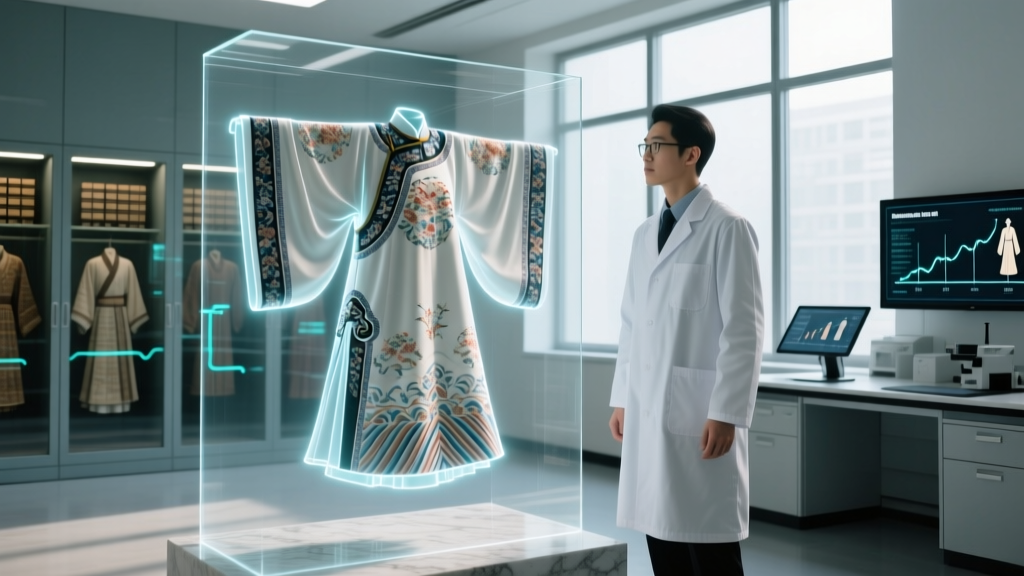
The global fashion landscape has witnessed a profound shift toward heritage-infused apparel, and at the forefront of this movement is Xin Zhongshi (新中式), or New Chinese Style. Unlike the rigid, theatrical reproductions of historical Hanfu or the hyper-sexualized mid-century cheongsam, contemporary Chinese clothing represents a living, breathing synthesis. It extracts the architectural brilliance of traditional Chinese tailoring—such as the flat-cut sleeves, cross-collars (jiaoling), and intricate knot buttons (pankou)—and adapts them for the kinetic demands of modern urban life. For the sartorially conscious, integrating these pieces is not about wearing a costume; it is about engaging in a sophisticated dialogue between antiquity and modernity.
Reimagining the Mamianqun for the Modern Wardrobe
No garment exemplifies the contemporary Chinese clothing renaissance quite like the Mamianqun (马面裙), or horse-face skirt. Originating in the Ming Dynasty (1368–1644), this skirt is a masterclass in structural engineering. It features two flat, unpleated panels at the front and back (the 'horse faces'), flanked by deeply pleated side panels. This design historically allowed for ease of movement while riding, and today, it provides a dramatic, sweeping silhouette that pairs effortlessly with modern minimalist tops.
Pleat Structure and Styling Mechanics
When styling a Mamianqun for daily wear, the key is balancing its voluminous lower half with structured, tailored upper garments. A crisp, oversized white button-down shirt, tucked in at the waist, highlights the skirt's intricate waistband embroidery without overwhelming the frame. For cooler months, pair a heavyweight wool Mamianqun with a fitted cashmere turtleneck and a structured leather blazer. Avoid pairing it with overly flowy or bohemian blouses, as the competing volumes will obscure the skirt's deliberate architectural lines.
Deconstructing the Qipao and Cheongsam Silhouettes
The modern approach to the Qipao (旗袍) rejects the restrictive, body-con silhouettes popularized by 1990s cinema. Instead, contemporary designers are reaching back to the 1920s and 1930s, reviving the looser, dropped-waist 'civilized dress' (wenming xinzhuang) and the elegant, sweeping A-line cuts of the Shanghai elite. Modern iterations often feature cropped lengths, detachable collars, and relaxed shoulder drops, transforming the Qipao from formal evening wear into a versatile daytime jacket or shift dress.
Look for contemporary Qipao jackets crafted from matte crepe or washed linen rather than high-shine satin. These fabrics drape more naturally and resist the 'costume' effect. Styling a cropped Qipao jacket over wide-leg denim trousers and a simple white tee creates a striking juxtaposition of Eastern heritage and Western utilitarianism, anchoring the piece firmly in the contemporary Chinese clothing aesthetic.
Outerwear Layering: The Beizi and Pifeng
Outerwear offers the most accessible entry point into neo-traditional styling. The Beizi (褙子), a parallel-collar jacket popularized during the Song Dynasty (960–1279), is essentially the historical antecedent to the modern duster coat. Its straight, unstructured cut and side-slits make it an exceptional layering piece. Worn open over a monochrome t-shirt and tailored trousers, a linen Beizi adds intellectual elegance to a minimalist capsule wardrobe.
Similarly, the Pifeng (披风), a traditional cloak or overcoat, has been reimagined with modern textile blends. Contemporary versions often utilize water-resistant technical fabrics or heavyweight bouclé, maintaining the dramatic wide sleeves and front-tie closures while offering genuine weather protection for urban commuters.
The Xin Zhongshi Wardrobe Matrix
To successfully integrate these garments, one must understand their functional roles and appropriate pairings. The following matrix provides a practical framework for building a contemporary Chinese-inspired wardrobe.
| Garment | Historical Origin | Modern Pairing Strategy | Recommended Fabric | Price Range (USD) |
|---|---|---|---|---|
| Mamianqun (Horse-Face Skirt) | Ming Dynasty | Structured blazers, fitted knits, tucked button-downs | Xiangyunsha silk, wool blends, matte satin | $120 - $450 |
| Beizi (Parallel-Collar Jacket) | Song Dynasty | Monochrome base layers, wide-leg denim, straight trousers | Washed linen, raw silk, cotton-linen blends | $85 - $250 |
| Modified Qipao Jacket | 1920s Republic Era | High-waisted trousers, slip dresses, tailored shorts | Jacquard, matte crepe, hemp | $90 - $300 |
| Songku (Wide-Leg Trousers) | Song Dynasty | Cropped knitwear, tucked silk camisoles, wrap tops | Heavyweight silk, Tencel, pleated polyester | $60 - $180 |
Textile Integrity and Sourcing Authentic Fabrics
The soul of contemporary Chinese clothing lies in its textiles. The market is currently saturated with cheap, unbreathable polyester 'Hanfu' that lacks both cultural weight and physical comfort. To truly honor the craft, buyers should seek out heritage textiles like Xiangyunsha (gambiered Canton gauze) and Song Jin (Song brocade). Xiangyunsha is a remarkably complex fabric, dyed using the juice of the shuliang yam and coated in iron-rich river mud, resulting in a dark, crackling, water-resistant silk that rustles softly when worn. According to archival research highlighted by the Victoria and Albert Museum's Asian collections, the preservation and modern application of such complex dyeing techniques are critical to sustaining intangible cultural heritage.
When sourcing these garments, prioritize artisanal cooperatives and specialized boutiques over mass-market e-commerce platforms. Authentic Xiangyunsha Mamianqun typically range from $180 to $450 USD, reflecting the labor-intensive, sun-drying process required to cure the fabric. Furthermore, institutions like The Metropolitan Museum of Art's Heilbrunn Timeline of Art History provide invaluable context on the evolution of Chinese dress, reminding us that historical garments were always tailored to the specific climate and social rhythms of their time—a philosophy that modern Xin Zhongshi designers are actively reviving.
Color Theory and Cultural Protocol
Navigating color in contemporary Chinese clothing requires an understanding of both historical symbolism and modern aesthetics. While traditional color theory is rooted in the Five Elements (Wuxing), modern styling favors muted, organic interpretations of these hues. Instead of jarring, primary 'imperial yellow' or 'vermilion,' contemporary designers utilize celadon (qingci), lotus pink, ink black, and oxidized bronze. These tones integrate seamlessly into global capsule wardrobes.
Cultural protocol remains important, particularly regarding pure, unadorned white and raw hemp, which are historically associated with mourning and funerals. While modern fashion has relaxed these taboos, it is respectful to avoid wearing head-to-toe unhemmed white linen to joyous occasions like weddings or Lunar New Year celebrations. Instead, opt for ivory or cream tones accented with subtle embroidery, or introduce auspicious colors like deep plum or jade green through accessories and outerwear. By respecting these nuances, wearers elevate contemporary Chinese clothing from a mere aesthetic trend to a profound appreciation of Asian sartorial heritage.