Hanfu Rental Guide 2026: Comparing Styles, Tiers & Etiquette

The Resurgence of Hanfu: Why Rent Instead of Buy?
The Hanfu movement (Hanfu Yundong) has evolved from a niche subculture into a mainstream celebration of Han Chinese sartorial heritage. For travelers, cultural enthusiasts, and photography aficionados, a hanfu rental offers an accessible gateway into this rich tradition without the financial commitment of purchasing museum-grade replicas. In 2026, the rental market has matured significantly, offering highly accurate historical reconstructions alongside modernized, travel-friendly adaptations. However, navigating the sheer variety of dynastic styles, fabric compositions, and rental service tiers requires a discerning eye. This guide compares the most sought-after Hanfu varieties available for rent, breaks down current market pricing, and outlines the cultural protocols necessary to wear these garments with respect and historical accuracy.
Comparing Historical Eras: Which Hanfu Style Suits You?
Hanfu is not a monolith; it encompasses thousands of years of evolution. When selecting a hanfu rental, you are essentially choosing a specific historical era. Each dynasty possesses distinct silhouettes, layering systems, and aesthetic philosophies.
Tang Dynasty (618–907 AD): The Qixiong Ruqun and Cosmopolitan Flair
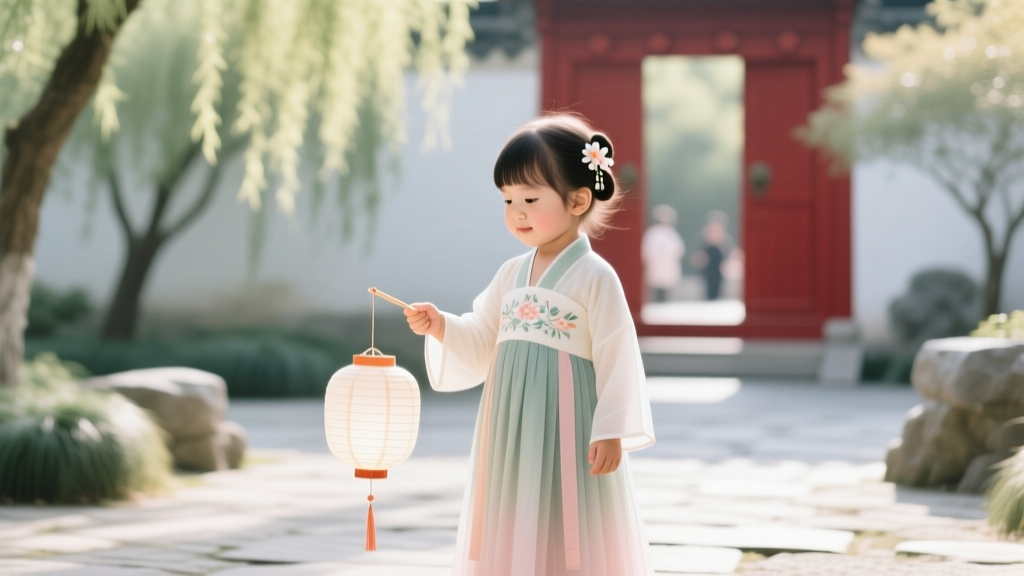
The Tang Dynasty represents a golden age of Silk Road cosmopolitanism. The most popular rental from this era is the Qixiong Ruqun (chest-high skirt). This style features a high-waisted, flowing skirt tied above the bust, paired with a short-sleeved or long-sleeved top (ru) and often draped with a pibo (a long, sheer silk scarf). Tang silhouettes are voluminous, vibrant, and heavily influenced by Central Asian textiles.
Best for: Summer festivals, vibrant outdoor photography, and those seeking a dramatic, romantic silhouette.
Song Dynasty (960–1279 AD): The Beizi and Minimalist Elegance
In stark contrast to Tang exuberance, Song Dynasty fashion reflects Neo-Confucian ideals of restraint, intellect, and understated elegance. The quintessential rental here is the Beizi, an open-front, knee- or calf-length jacket with side slits, worn over a moxiong (tube top) and a baidiequn (hundred-pleat skirt). Colors are typically subdued—think celadon, pale ivory, and muted plum. The Victoria and Albert Museum's Asian collections frequently highlight the exquisite, subtle damask weaves characteristic of Song-era textiles, which modern rental boutiques now replicate using advanced jacquard looms.
Best for: Tea ceremonies, museum visits, autumn photography, and enthusiasts preferring a refined, scholarly aesthetic.
Ming Dynasty (1368–1644 AD): The Majestic Mamianqun
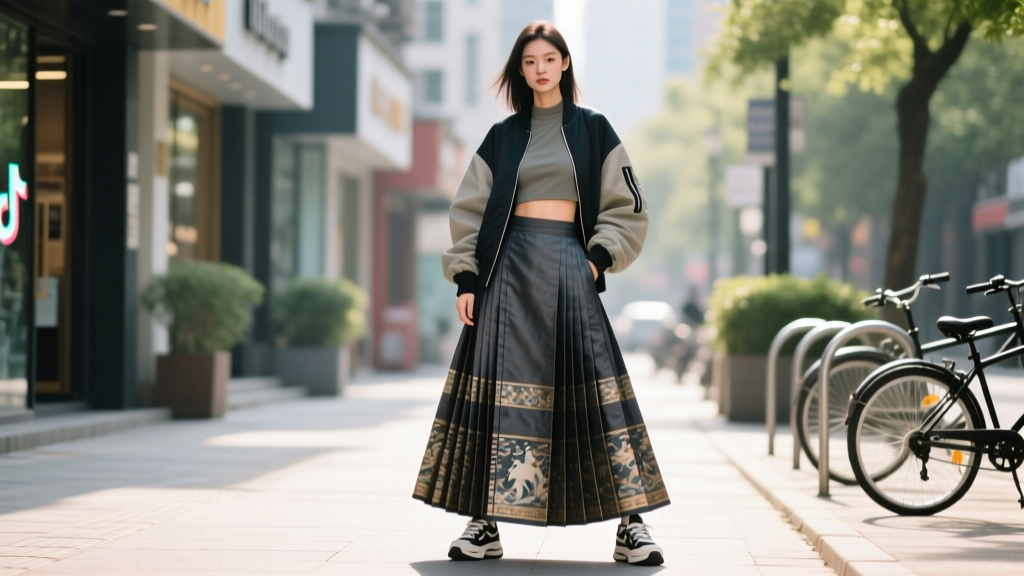
The Ming Dynasty offers the most structured and heavily layered Hanfu varieties, heavily favored for winter rentals and formal events. The centerpiece is the Mamianqun (horse-face skirt), a wrap skirt featuring flat front and back panels (guangmian) with deep, structured pleats on the sides (zhemian). It is typically paired with an ao (a lined, long-sleeved jacket with a stand collar or cross collar) or a pifeng (a cloak-like outer garment). According to textile archives at the China National Silk Museum, Ming garments frequently utilized zhuanghua (woven gold) and zhijin (gold-thread weaving) techniques, giving the garments a heavy, opulent drape.
Best for: Winter travel, formal cultural galas, architectural photography (especially in Beijing or Nanjing), and those who appreciate heavy, structured tailoring.
Hanfu Rental Tiers: Studio, Boutique, and Travel Packages
The hanfu rental market in 2026 is highly stratified. Understanding these tiers will help you align your budget with your expectations regarding fabric quality, historical accuracy, and included services.
| Rental Tier | Price Range (USD) | Garment Quality & Fabric | Inclusions | Best Use Case |
|---|---|---|---|---|
| Basic Studio | $15 - $35 | Polyester blends, machine embroidery, lightweight chiffon. | 4-hour rental, basic hair accessories, self-styling. | Quick tourist photos, casual city walks. |
| Boutique Artisan | $50 - $120 | Silk brocade, real metal thread, accurate historical patterning, proper layering sets. | Full-day rental, professional dressing assistance, high-end hairpins. | Cultural events, enthusiast gatherings, editorial photography. |
| Immersive Travel | $150 - $300+ | Museum-grade replicas, custom-fitted Mamianqun, premium Xiangyunsha silk. | Complete styling (hair/makeup), dedicated photographer, transport to heritage sites. | Destination weddings, high-end travel vlogs, cinematic shoots. |
Regional Rental Hubs: Where to Rent What
To maximize your hanfu rental experience, align your destination with the corresponding dynastic hub. Local rental shops in these cities specialize in the architecture-specific aesthetics of their region's golden age.
- Xi'an (Shaanxi Province): The ancient capital of Chang'an. Rental shops here specialize in Tang Dynasty Qixiong Ruqun. The vibrant, bustling aesthetics of the Datang Everbright City provide the perfect backdrop for Tang-style cosmopolitan fashion.
- Hangzhou (Zhejiang Province): The Southern Song capital. Boutiques near West Lake focus on Song Dynasty Beizi and delicate pleated skirts, perfectly complementing the region's misty, poetic landscapes and tea plantations.
- Nanjing & Beijing: Ming Dynasty strongholds. Rental shops here offer heavy, opulent Aoqun and Mamianqun sets designed to stand up to the imposing red walls and golden roofs of the Forbidden City and the Ming Xiaoling Mausoleum.
Fabric Composition and Construction: What to Inspect
When upgrading from a basic studio to a boutique artisan rental, knowing how to inspect the garment's construction is vital. True Hanfu relies on a complex layering system. A complete set is not just a dress; it includes the zhongyi (middle clothing/undergarment), the inner ru or shan, the outer ao or pifeng, and the qun (skirt) or ku (trousers).
Pay close attention to the fabric. High-end rentals will feature Xiangyunsha (scented cloud gauze), a labor-intensive silk dyed with river mud and薯莨 (薯莨 juice) that produces a distinct crackled, leathery texture and a rustling sound when walking. Alternatively, look for Song Brocade or Shu Brocade, which feature complex, continuous weft patterns rather than cheap, surface-level printed motifs. The drape of the garment should be heavy and fluid; if the skirt flares out stiffly like a modern tutu, it is likely constructed from cheap nylon organza rather than traditional silk or high-quality rayon blends.
Cultural Protocols: Wearing Hanfu with Respect
Renting Hanfu is an act of cultural participation, and adhering to traditional etiquette is paramount. The most critical rule in Hanfu construction and wearing is jiaoling youren (cross-collar, right lapel). The left side of the collar must always cross over the right side, forming a 'y' shape at the neckline.
Warning: Reversing this to zuoren (left lapel under right) is strictly reserved for dressing the deceased in traditional Han funerary rites. Wearing it reversed in daily life is considered highly inauspicious and deeply disrespectful. Reputable rental boutiques will dress you correctly, but if you are adjusting the garments yourself, always double-check the collar orientation.
Furthermore, traditional Hanfu does not utilize buttons or zippers on the main structural garments; it relies on jiedai (fabric ties) and sashes. Ensure that the ties are secured snugly but comfortably, and that the hemline of the skirt is adjusted to your height using the internal waist ties, preventing the fabric from dragging on the ground and damaging the delicate embroidery.
Conclusion
A hanfu rental in 2026 offers far more than a simple costume experience; it is an immersive engagement with thousands of years of textile engineering, philosophical aesthetics, and cultural revival. By understanding the distinctions between Tang exuberance, Song minimalism, and Ming majesty, and by carefully selecting a rental tier that prioritizes historical accuracy and quality fabrics, you can participate in this living tradition with both elegance and profound respect.