Chinese Traditional Wedding Clothing: Regional Guide 2026

When couples and cultural enthusiasts search for Chinese traditional wedding clothing, they are frequently met with a generalized vision of red silk and gold embroidery. However, treating this sartorial tradition as a monolith ignores centuries of regional tailoring, distinct embroidery techniques, and localized cultural protocols. From the rigid, metallic brilliance of the Lingnan Longfenggua to the flowing, imperial revivalism of the Fengguan Xiapei, understanding these substyles is essential for brides, grooms, and historians seeking authenticity in 2026. This comprehensive guide decodes the regional variations of Chinese bridal wear, offering deep insights into construction, fabric composition, and acquisition frameworks.
The Lingnan Longfenggua: Cantonese Mastery in Metallic Embroidery
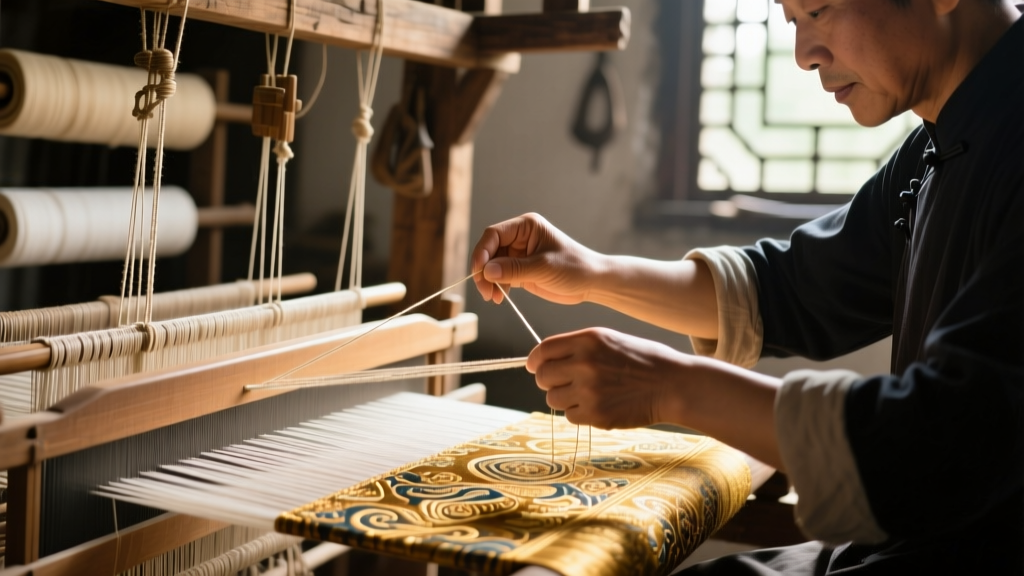
Originating in the Lingnan region (encompassing Guangdong, Guangxi, and parts of Fujian), the Longfenggua (龙凤褂), often referred to simply as the Qungua (裙褂), is the undisputed pinnacle of Southern Chinese wedding attire. Unlike the flowing robes of northern traditions, the Qungua consists of a structured, hip-length jacket and a straight, column-style skirt. The defining characteristic of this garment is its Chao Xiu (潮绣) or Cantonese embroidery, which utilizes Panjin—a technique where gold and silver leaf is wrapped around a silk core to create dense, raised, three-dimensional metallic motifs.
The base fabric is typically a heavy, crisp silk satin that provides the necessary structural integrity to support the weight of the metallic threads. A high-quality bespoke Longfenggua can weigh upwards of 3 to 5 kilograms due to the sheer density of the embroidery. The motifs are strictly regulated by tradition: the dragon and phoenix (Longfeng) represent the balance of yin and yang, while subsidiary motifs like bats (fu, a homophone for good fortune) and lotus flowers signify harmony and purity.
Embroidery Density and Pricing Tiers
In the Cantonese tradition, the value and formality of a Longfenggua are dictated not by the brand, but by the density of the embroidery covering the red silk base. Artisans categorize these garments into five distinct tiers, which directly impact both the price and the garment's cultural prestige.
- Gua Huang (褂皇): The highest tier, featuring 100% embroidery coverage. The red silk base is entirely invisible, replaced by a shimmering canvas of gold and silver. Due to the thousands of hours of hand-embroidery required, purchasing a bespoke Gua Huang often exceeds ¥100,000 RMB ($14,000 USD), with luxury rentals starting around ¥5,000 RMB per day.
- Da Wu Fu (大五福): 80% to 90% coverage. A popular choice for brides seeking maximum opulence without the extreme stiffness of the Gua Huang. Rental prices typically range from ¥2,500 to ¥4,000 RMB.
- Zhong Wu Fu (中五福): 60% to 70% coverage, balancing metallic brilliance with the auspicious red silk background.
- Xiao Wu Fu (小五福): 40% to 50% coverage, offering a lighter, more breathable option for summer weddings.
- San Xiu (散绣): Features scattered, individual motifs rather than a continuous metallic web, making it the most accessible and budget-friendly tier.
The Xiuhefu Phenomenon: Jiangnan Elegance and Modern Adaptation
While the Longfenggua dominates the south, the Xiuhefu (秀禾服) has become the most ubiquitous style across mainland China over the last two decades. Interestingly, the Xiuhefu is not a direct historical artifact but a modern synthesis rooted in Jiangnan (Yangtze River Delta) aesthetics. It was popularized by the 2001 television drama Orange Turned Red, where the character Xiuhe wore a stylized version of late-Qing and early-Republic Han Chinese clothing. Despite its cinematic origins, it has been fully embraced as a legitimate category of Chinese traditional wedding clothing.
The Xiuhefu is characterized by its softer, more forgiving silhouette. The jacket is typically wider and features flared sleeves, while the skirt is an A-line adaptation of the historical mamianqun (horse-face skirt). Unlike the stiff Cantonese metallic threads, Xiuhefu embroidery relies on Su Xiu (Suzhou embroidery), utilizing flat, multicolored silk threads to create intricate, painterly scenes of peonies, koi fish, and magpies. The fabric is often a softer silk organza, crepe, or lightweight brocade, allowing for fluid movement and greater comfort during lengthy tea ceremonies.
Fengguan Xiapei: The Imperial Ming Revival
For couples deeply invested in the Hanfu revival movement, the Fengguan Xiapei (凤冠霞帔) represents the ultimate expression of classical Chinese bridal majesty. This style is a direct homage to the Ming Dynasty (1368–1644) court and aristocratic dress. The Fengguan refers to the elaborate Phoenix Crown, while the Xiapei is the embroidered cloud collar and cape-like vestment draped over the shoulders.
Historically, the Phoenix Crown was adorned with diancui—the painstaking application of iridescent kingfisher feathers onto gold filigree. Today, due to strict wildlife conservation laws and ethical sourcing, master artisans use dyed silk ribbons, enamel, and synthetic organza to replicate the vivid cyan and azure hues of traditional diancui. The Metropolitan Museum of Art's Asian Art Department houses exquisite Ming dynasty textile fragments and court accessories that continue to inform modern bespoke recreations of these heavy, layered robes, which often feature voluminous pleated skirts and wide, structured sleeves.
Comparative Analysis of Regional Bridal Silhouettes
Selecting the right garment requires an understanding of how regional styles interact with modern wedding logistics, venue types, and personal comfort.
| Substyle | Primary Region | Silhouette & Drape | Embroidery Technique | Best Suited For |
|---|---|---|---|---|
| Longfenggua (Qungua) | Lingnan (Guangdong/Fujian) | Structured, straight column skirt, hip-length stiff jacket | Chao Xiu (Raised metallic gold/silver thread) | Traditional Cantonese tea ceremonies, formal indoor banquets |
| Xiuhefu | Jiangnan / National | A-line mamianqun skirt, relaxed flared-sleeve jacket | Su Xiu (Flat, colorful silk thread) | Outdoor photoshoots, multi-hour events, modern brides seeking comfort |
| Fengguan Xiapei | Northern / Imperial Ming | Voluminous pleated robes, structured cloud collar, heavy crown | Imperial court replication, silk brocade, metallic couching | Hanfu enthusiasts, grand temple or historical venue weddings |
Cultural Protocols: Motifs, Taboos, and Wearing Customs
Wearing Chinese traditional wedding clothing requires adherence to specific cultural protocols that transcend mere aesthetics. The color red (hong) is non-negotiable for the primary ceremony, symbolizing joy, prosperity, and the warding off of evil spirits. However, the specific shades of red vary by region; Southern brides often favor a deep, oxblood crimson, while Northern and Hanfu brides may opt for brighter vermilion or incorporate accents of imperial yellow and jade green.
Motif selection is equally rigorous. While dragons and phoenixes are standard, the number of claws on the dragon historically denoted imperial rank; modern artisans typically use four or five claws, but avoid replicating exact emperor-specific configurations out of respect for historical hierarchy. Taboos are strictly observed: motifs of white flowers (associated with mourning), chrysanthemums (often linked to funerals), or broken geometric patterns are entirely forbidden. Furthermore, when wearing the Qungua, the jacket must never be tucked into the skirt, as the separation of the two pieces symbolizes the distinct but harmonious union of two families.
Sourcing Artisans and Bespoke Cooperatives
For those looking to commission bespoke Chinese traditional wedding clothing rather than rent, engaging with regional artisan cooperatives is vital. The Victoria and Albert Museum's Asian Collections frequently highlight the historical significance of Suzhou and Chaozhou as the twin pillars of Chinese silk embroidery. Today, brides can commission directly from master studios in Suzhou for intricate silk-thread Xiuhefu, or from heritage workshops in Chaozhou for heavy metallic Qungua.
When commissioning, expect a timeline of 6 to 12 months. A master embroiderer may dedicate over 800 hours to a single Da Wu Fu jacket. It is crucial to request samples of the metallic thread to ensure it is genuine gold-leaf wrapped silk, rather than synthetic plastic alternatives that will tarnish and degrade within a few years. Authentic Chinese traditional wedding clothing is not merely an outfit; it is an heirloom textile, engineered to be passed down through generations as a tangible record of regional artistry and familial blessing.