Chinese Traditional Clothing for Women: Hanfu vs Qipao Guide

The landscape of Chinese traditional clothing for women is not a monolith; it is a vibrant tapestry woven from millennia of dynastic shifts, regional diversity, and evolving social norms. When enthusiasts and scholars discuss Chinese heritage dress, they are typically referring to three distinct categories: the ancient, flowing drapes of Hanfu (汉服), the tailored, cosmopolitan elegance of the Qipao (旗袍, also known as the Cheongsam), and the festive, structured Tang Suit (唐装). Understanding the differences between these garments is essential for anyone looking to appreciate, purchase, or wear these cultural artifacts with respect and historical accuracy.
Decoding the Silhouettes: Hanfu, Qipao, and the Tang Suit
To accurately compare Chinese traditional clothing for women, we must first dissect the structural anatomy of each garment. Each silhouette reflects the philosophical and social values of its respective era.
Hanfu: The Ancient Han Heritage
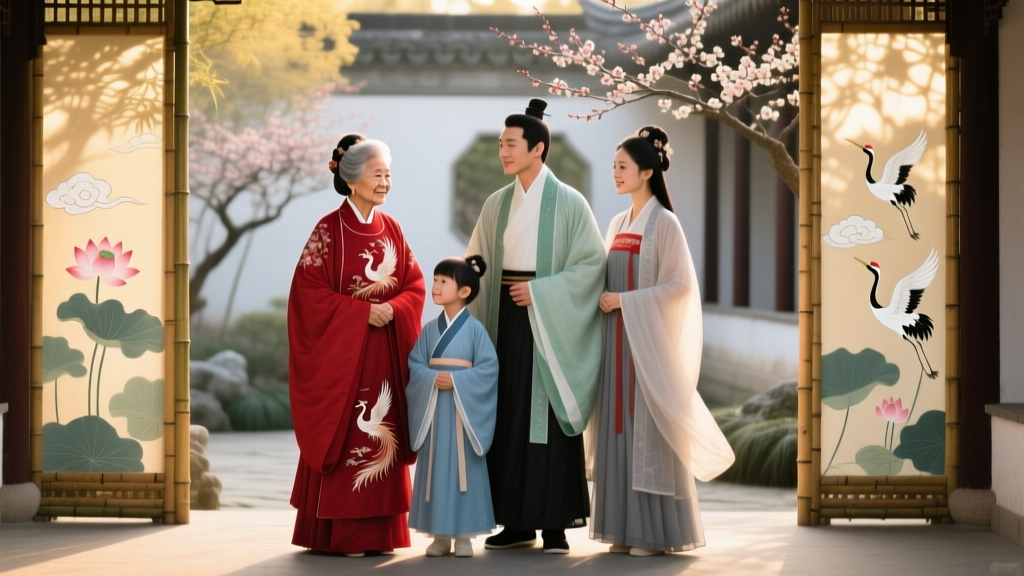
Hanfu refers to the historical dress of the Han Chinese people, spanning from the Huangdi era (circa 27th century BCE) to the late Ming Dynasty (1644 CE). For women, the most recognizable and historically significant silhouettes include the Ruqun (blouse and skirt) of the Tang Dynasty and the Aoqun (jacket and skirt) of the Ming Dynasty. A defining characteristic of authentic Hanfu is the jiaoling youren (cross-collar, right lapel), where the left side of the collar crosses over the right. The garments are typically cut from flat pieces of fabric without darts, relying on wrapping, tying, and pleating to create volume and movement. The Mamianqun (horse-face skirt), featuring flat front and back panels with heavily pleated sides, remains a staple of Ming-style Hanfu and is highly popular in the modern Hanfu revival movement.
Qipao (Cheongsam): The Modernist Icon
Emerging in the 1920s in Shanghai, the Qipao represents a radical departure from the voluminous layers of antiquity. Originally a loose, A-line garment worn by female students and intellectuals seeking egalitarian dress, it evolved by the 1930s into a form-fitting, bias-cut dress that celebrated the natural female silhouette. Key construction elements include the yuanling (Mandarin collar), pankou (intricate knotted frog buttons), and dramatic side slits (kaiqi) that allow for mobility. The Qipao is heavily influenced by both Manchu banner robes and Western tailoring techniques, such as the introduction of bust and waist darts.
Tang Suit: The Festival Standard
Despite its name, the modern 'Tang Suit' has little to do with the Tang Dynasty (618–907 CE). Instead, it is a contemporary adaptation of the Qing Dynasty Manchu Magua (riding jacket) and Tangzhuang. Popularized globally during the 2001 APEC summit in Shanghai, the women's Tang suit is typically a cropped, structured jacket with a stand-up collar and prominent frog fasteners. It is rarely worn as daily historical dress but serves as the de facto standard for Lunar New Year celebrations and diaspora cultural festivals.
Fabric, Construction, and Craftsmanship Compared
The choice of textile in Chinese traditional clothing for women dictates not only the garment's drape but also its cultural weight. According to the Smithsonian National Museum of Asian Art, Chinese textile history is defined by the mastery of silk sericulture, ramie weaving, and complex brocading techniques.
| Garment | Era of Prominence | Collar & Closure | Silhouette & Fit | Primary Fabrics |
|---|---|---|---|---|
| Hanfu (Ming Aoqun) | 1368–1644 CE | Cross-collar, tied sashes | Voluminous, layered, A-line | Jacquard silk, damask, ramie |
| Qipao (1930s style) | 1920s–1940s CE | Mandarin collar, Pankou | Form-fitting, bias-cut, darted | Mulberry silk, velvet, crepe |
| Tang Suit | Late 20th Century | Stand collar, frog buttons | Boxy, cropped, structured | Silk brocade, synthetic blends |
The Art of Pankou and Kesi
In Qipao construction, the pankou (frog buttons) are not merely functional; they are intricate works of art. Master tailors spend hours crafting these knots from silk-wrapped cords into shapes resembling plum blossoms, swallows, or auspicious characters. Conversely, high-end Hanfu and ceremonial Qipaos often utilize Kesi (cut silk tapestry), a painstaking weaving technique where the weft threads are discontinued at the edges of color blocks, creating a 'carved' visual effect. As documented in the Metropolitan Museum of Art's archives on Chinese dress, Kesi was historically reserved for imperial dragon robes and the highest echelons of aristocratic women's attire.
Cultural Protocols: The Rule of the Lapel and Occasion Mapping
Wearing Chinese traditional clothing for women requires an understanding of embedded cultural protocols. The most critical rule in Hanfu is the direction of the collar. The left lapel must always cross over the right lapel (youren). In traditional Han cosmology, the left represents life, the sun, and the masculine (yang), while the right represents the moon, the feminine (yin), and the afterlife. Crossing the right lapel over the left (zuoren) is strictly reserved for dressing the deceased for burial. Wearing it incorrectly in daily life is considered highly inauspicious and culturally offensive.
Occasion Mapping
- Hanfu: Ideal for traditional festivals (Mid-Autumn, Qixi), tea ceremonies, classical dance, and historical photography. The modern 'Hanfu Movement' (Hanfu Yundong) has also normalized wearing Ming-style Mamianqun skirts paired with modern blouses for daily office wear.
- Qipao: The ultimate garment for formal events, weddings, diplomatic dinners, and high-fashion galas. A floor-length silk Qipao with a subtle train is standard for Chinese brides during the tea ceremony or banquet.
- Tang Suit: Best reserved for casual family gatherings, Lunar New Year portraits, and community parades. It is generally not considered appropriate for high-formal evening events.
Buyer’s Matrix: Price Ranges and Sourcing Authentic Pieces
Navigating the market for authentic Chinese traditional clothing for women can be daunting, as the internet is flooded with cheap, historically inaccurate 'costume' versions. True cultural garments require specific sourcing strategies.
Sourcing Hanfu
The Hanfu market is largely driven by domestic Chinese brands operating on platforms like Taobao and Weibo. Brands such as Shisanyu (十三余) offer accessible, entry-level sets ranging from $60 to $120 USD, utilizing high-quality polyester blends and cotton. For museum-grade accuracy, premium brands like Minghuacun (明华堂) specialize in authentic Ming Dynasty reconstructions using genuine silk brocades and gold-leaf weaving. These investment pieces range from $300 to over $1,500 USD and often have waitlists of several months due to the artisanal weaving process.
Commissioning a Bespoke Qipao
While off-the-rack Qipaos can be found in Chinatown boutiques globally for $80 to $200 USD, these are often mass-produced with synthetic brocades and plastic frog buttons. For an authentic experience, enthusiasts seek out bespoke tailors. In Shanghai and Hong Kong, master tailors take up to 20 distinct body measurements to draft a custom paper pattern. A bespoke Qipao crafted from imported mulberry silk or Xiangyunsha (a rare, mud-dyed silk from Guangdong) will typically cost between $800 and $3,000+ USD. The Victoria and Albert Museum's Asian collections frequently highlight the importance of the bias-cut in 1930s Qipaos—a technique that requires immense fabric yardage and expert tailoring to ensure the silk drapes flawlessly over the body's curves without pulling at the seams.
Conclusion: A Living Heritage
Chinese traditional clothing for women is not trapped in the past; it is a living, breathing heritage that continues to evolve. Whether you are drawn to the philosophical depth and sweeping elegance of a Ming Dynasty Hanfu, the cosmopolitan glamour of a 1930s silk Qipao, or the festive warmth of a Tang Suit, each garment offers a unique window into Chinese history. By understanding the construction, respecting the cultural protocols, and investing in authentic craftsmanship, wearers become active participants in preserving these magnificent textile traditions for future generations.