What Is the Traditional Chinese Dress Called? An Event Guide

When exploring Asian cultural attire, one of the most common questions from global enthusiasts and diaspora members alike is: what is the traditional Chinese dress called? The answer is not a single garment, but rather a rich tapestry of clothing systems that have evolved over three millennia. From the flowing, cross-collared robes of the Han dynasty to the tailored, modernist silhouettes of 1920s Shanghai, Chinese dress is deeply tied to philosophy, regional identity, and social occasions.
As a cultural garment encyclopedia, we often see readers searching for the right attire for a specific event—be it a traditional tea ceremony, a Lunar New Year banquet, or a formal gala. This comprehensive occasion and event guide decodes the terminology of Chinese traditional dress, mapping specific garments to their proper cultural and social contexts.
Decoding the Terminology: Hanfu, Qipao, and Beyond

To answer the question of what the traditional Chinese dress is called, we must first distinguish between historical Han clothing, Qing dynasty influences, and modern Republic-era innovations.
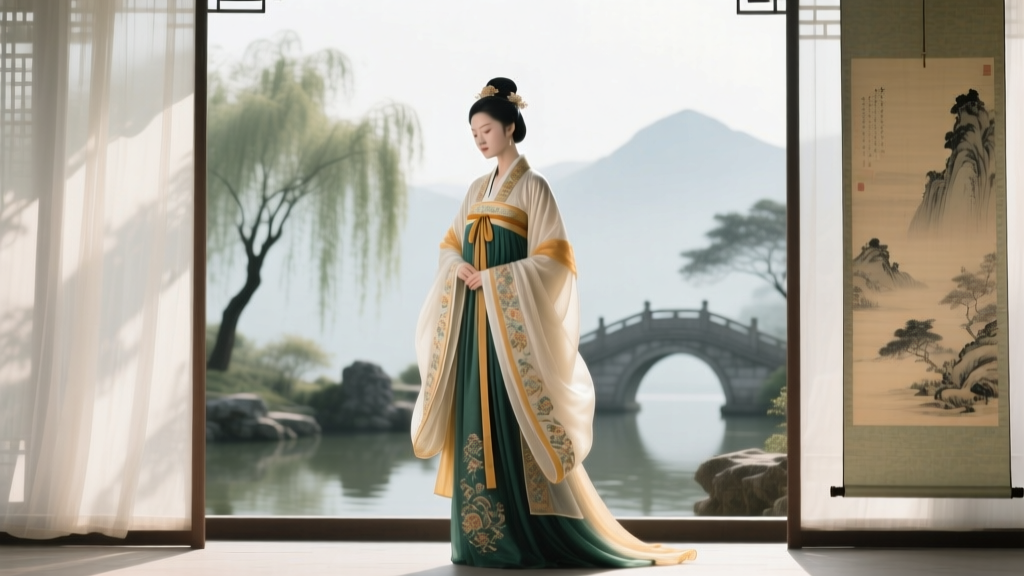
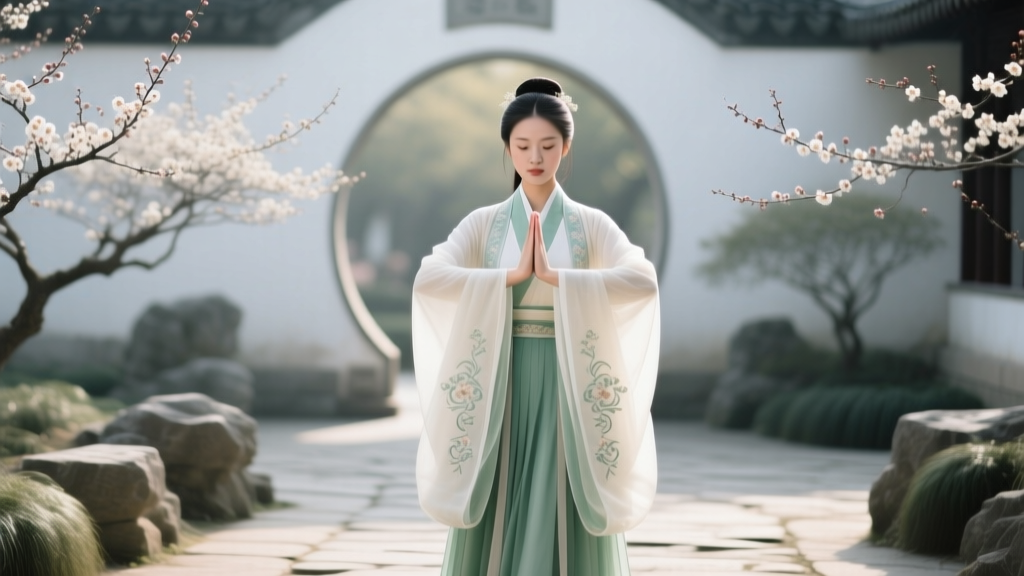
- Hanfu (汉服): The historical clothing of the Han Chinese people, worn for thousands of years before the Qing dynasty (1644–1912). It is characterized by wide sleeves, flowing robes, and the jiaoling youren (cross-collar intersecting to the right).
- Qipao / Cheongsam (旗袍 / 长衫): Originating in the 1920s in Shanghai, this is the form-fitting, high-collared dress most recognized globally today. It evolved from the loose-fitting Manchu robes of the Qing dynasty into a modern, tailored silhouette that celebrates the natural form.
- Tangzhuang (唐装): Often translated as the "Tang Suit," this is actually a modern hybrid jacket combining Manchu riding jacket elements with Western tailoring. It is heavily associated with modern political and festive events.
- Xiuhefu (秀禾服) & Qun Kwa (裙褂): Highly specialized, heavily embroidered two-piece bridal ensembles rooted in Ming and Qing dynasty traditions, specifically reserved for weddings.
The Occasion Matrix: Matching Garment to Event
Selecting the correct garment requires understanding the formality and cultural weight of the event. Below is a structured matrix to guide your wardrobe choices.
| Event / Occasion | Primary Garment | Key Characteristics | Formality Level |
|---|---|---|---|
| Traditional Wedding / Tea Ceremony | Xiuhefu or Qun Kwa | Dense gold/silver thread embroidery, phoenix motifs, loose A-line skirt. | Ultra-Formal |
| Lunar New Year Family Banquet | Tangzhuang or Modern Qipao | Silk brocade, frog button closures, auspicious red or jewel tones. | Semi-Formal to Formal |
| Cultural Festivals / Mid-Autumn | Hanfu (Mamianqun / Aoqun) | Pleated wrap skirts, layered tops, flowing sleeves, historical accuracy. | Cultural / Festive |
| Formal Gala / Red Carpet | Bespoke Haute Qipao | Silk crepe or velvet, high mandarin collar, intricate side slits, tailored fit. | Black-Tie Formal |
| Academic Graduation / Coming of Age | Hanfu (Shenyi or Shenhe) | Deep robes, scholarly caps, symbolizing intellectual maturity and heritage. | Ceremonial |
Deep Dive: Dressing for Specific Milestones
Weddings and the Ancestral Tea Ceremony

For traditional Chinese weddings, the standard Qipao is often relegated to the evening reception or cocktail hour. The main ceremonial garments are the Xiuhefu and the Cantonese Qun Kwa. The Xiuhefu, popularized in northern and central China, features a loose-fitting jacket and a pleated skirt, heavily embroidered with silk threads depicting dragons, phoenixes, and peonies. The Qun Kwa, originating from Guangdong, is famous for its bu (embroidery density); a premium "Gua Huang" (Emperor's Jacket) can feature embroidery so dense that the underlying red silk is barely visible. According to archives at the Victoria and Albert Museum, these bridal textiles represent months, sometimes years, of artisanal labor, serving as a display of familial wealth and blessing.
Lunar New Year and Familial Gatherings
During the Spring Festival, the goal is to project prosperity, warmth, and respect for elders. The Tangzhuang (Tang Suit) is immensely popular for men and older women, featuring auspicious brocade fabrics and distinctive pankou (knotted frog buttons). For younger women and modern professionals, a mid-calf Qipao in festive red, plum, or emerald green is the standard. The fabric choice here is critical: winter-weight Qipaos are often crafted from heavy silk brocade or velvet to provide warmth during cold-weather family visits.
Formal Galas and Diplomatic Events
When attending a black-tie event, the Haute Couture Qipao is the ultimate expression of Chinese elegance. As highlighted in The Metropolitan Museum of Art's extensive exhibitions on Chinese fashion, the modern Qipao is a masterclass in East-West sartorial synthesis. A gala-ready Qipao requires bespoke tailoring. It should feature a rigid mandarin collar (yuanling), precise darts for a contoured fit, and a side slit (kaicha) that ends precisely at or just above the knee to maintain modesty while allowing movement. Fabrics like Xiangyunsha (a rare, mud-dyed silk from Guangdong) or intricate Shu brocade elevate the garment to museum-quality art.
The Hanfu Movement and Cultural Festivals

The contemporary Hanfu movement has revitalized historical dress for everyday wear and cultural festivals like the Qixi Festival (Chinese Valentine's Day) or the Mid-Autumn Festival. Enthusiasts often wear the Mamianqun (horse-face skirt), a wrap skirt with flat panels and deep side pleats, paired with an Ao (a lined, long-sleeved top). For men, the Dahu (a sleeveless vest) over a Daopao (scholar's robe) projects a dignified, martial, or literary aesthetic depending on the fabric and hat chosen.
Anatomy and Construction: Details That Matter
Understanding the construction of these garments is vital for both buyers and wearers to ensure cultural respect and authenticity.
- The Collar Rule (Jiaoling Youren): In Hanfu, the left side of the collar must always cross over the right side and tie on the right. This is a non-negotiable rule in Han culture. Crossing right-over-left (zuoren) is historically reserved for the deceased and is considered highly inauspicious.
- Pankou (Frog Closures): Found on Qipaos and Tang suits, these intricate knotted buttons are traditionally made from the same silk bias tape as the garment. A high-end bespoke Qipao will feature hand-rolled, tightly knotted pankou, whereas mass-produced versions use stiff, machine-made synthetic knots.
- Pattern Symbolism: Motifs are never random. Bats symbolize good fortune (fu), peonies represent wealth and honor, and the plum blossom signifies resilience. Wearing a dragon motif is traditionally reserved for brides, grooms, or极高-status individuals, though modern fashion has relaxed this rule.
Pricing Tiers and Sourcing Authentic Garments
The market for Chinese traditional dress is vast, ranging from fast-fashion costumes to heirloom investments. Here is a realistic pricing framework (in USD) to guide your purchasing decisions:
- Mass-Market / Synthetic ($30 - $90): Made from polyester blends with machine-printed patterns. Suitable for casual costume parties or brief photo shoots, but lacks breathability and cultural depth. Often features incorrect collar alignments or plastic buttons.
- Mid-Tier / Artisan Blends ($150 - $450): Crafted from silk blends, rayon, or cotton-linen. These garments feature proper tailoring, genuine knotted pankou, and accurate historical patterning. Ideal for Lunar New Year celebrations, graduation ceremonies, and cultural festivals.
- Bespoke / Heritage Silk ($800 - $3,500+): Custom-tailored Qipaos or hand-embroidered Xiuhefu utilizing pure mulberry silk, Xiangyunsha, or real gold-leaf thread embroidery. These are commissioned from master tailors in cities like Shanghai, Suzhou, or Guangzhou and are treated as generational heirlooms.
Cultural Protocols and Styling Etiquette
Wearing traditional Chinese dress carries a responsibility to honor the culture it represents. Avoid treating these garments as mere "exotic costumes." When wearing a Qipao to a formal event, pair it with elegant, closed-toe heels or traditional embroidered flats; avoid overly casual footwear. For Hanfu, ensure your hair is styled neatly, as historical aesthetics place high value on groomed hair, often accessorized with jade hairpins or silk ribbons.
Furthermore, be mindful of color contexts. While red is the ultimate color of joy, luck, and celebration, stark white and unadorned black have historical associations with mourning and funerals in traditional Chinese culture. While modern fashion has embraced black Qipaos for chic evening wear, it is best to avoid wearing all-white or all-black traditional ensembles to joyous events like weddings or the Lunar New Year unless specifically styled with vibrant, auspicious embroidery to offset the somber base.
Ultimately, knowing what the traditional Chinese dress is called is just the first step. Whether you are draping a pleated Mamianqun for a moon-viewing festival or stepping into a bespoke silk Qipao for a gala, you are participating in a living, breathing continuum of Asian textile history.