Beyond the Chinese Kimono: Care Guide for Hanfu & Qipao

The 'Chinese Kimono' Misconception: Identifying Your Garment
When Western consumers and vintage collectors search for a 'Chinese kimono,' they are usually navigating a cross-cultural misnomer. The kimono (着物) is a distinctly Japanese T-shaped robe with its own complex sartorial rules. In contrast, traditional Chinese clothing encompasses a vastly different lineage of garments, primarily the flowing Hanfu (汉服), the tailored Qipao (旗袍 or Cheongsam), and the structured Tangzhuang (唐装). If you are seeking a 'Chinese kimono care guide,' you are likely the proud owner of a silk Hanfu robe, an embroidered Qipao, or a vintage Shanghai-style lounging gown.
Caring for these garments requires an understanding of Chinese textile history and protein-fiber chemistry. According to the China National Silk Museum in Hangzhou, historical Chinese silks—such as Luo (gauze) and Duan (satin)—possess unique structural weaves that degrade rapidly when exposed to modern alkaline detergents or improper mechanical agitation. This comprehensive conservation guide will teach you how to wash, press, and archive your Chinese traditional garments to ensure they survive for generations.
Decoding the Silhouette: What Are You Actually Caring For?
Before applying water or heat, you must identify the structural engineering of your garment. Chinese traditional clothing relies on different tension points and embellishments than Japanese or Korean counterparts.
1. Hanfu (汉服): The Historical Robe
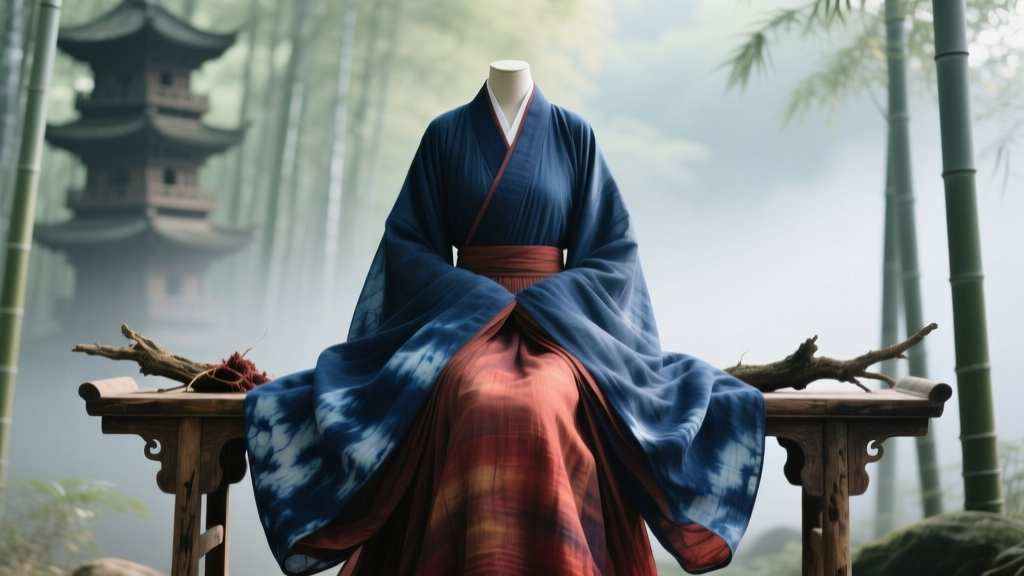
Hanfu refers to the historical dress of the Han Chinese, characterized by cross-collars (jiaoling), wide sleeves, and sash ties rather than buttons. A popular component is the Mamianqun (horse-face skirt), which features deep, structured pleats. The primary danger to Hanfu during maintenance is the loss of pleat integrity and the stretching of bias-cut silk panels.
2. Qipao (旗袍): The Tailored Silhouette
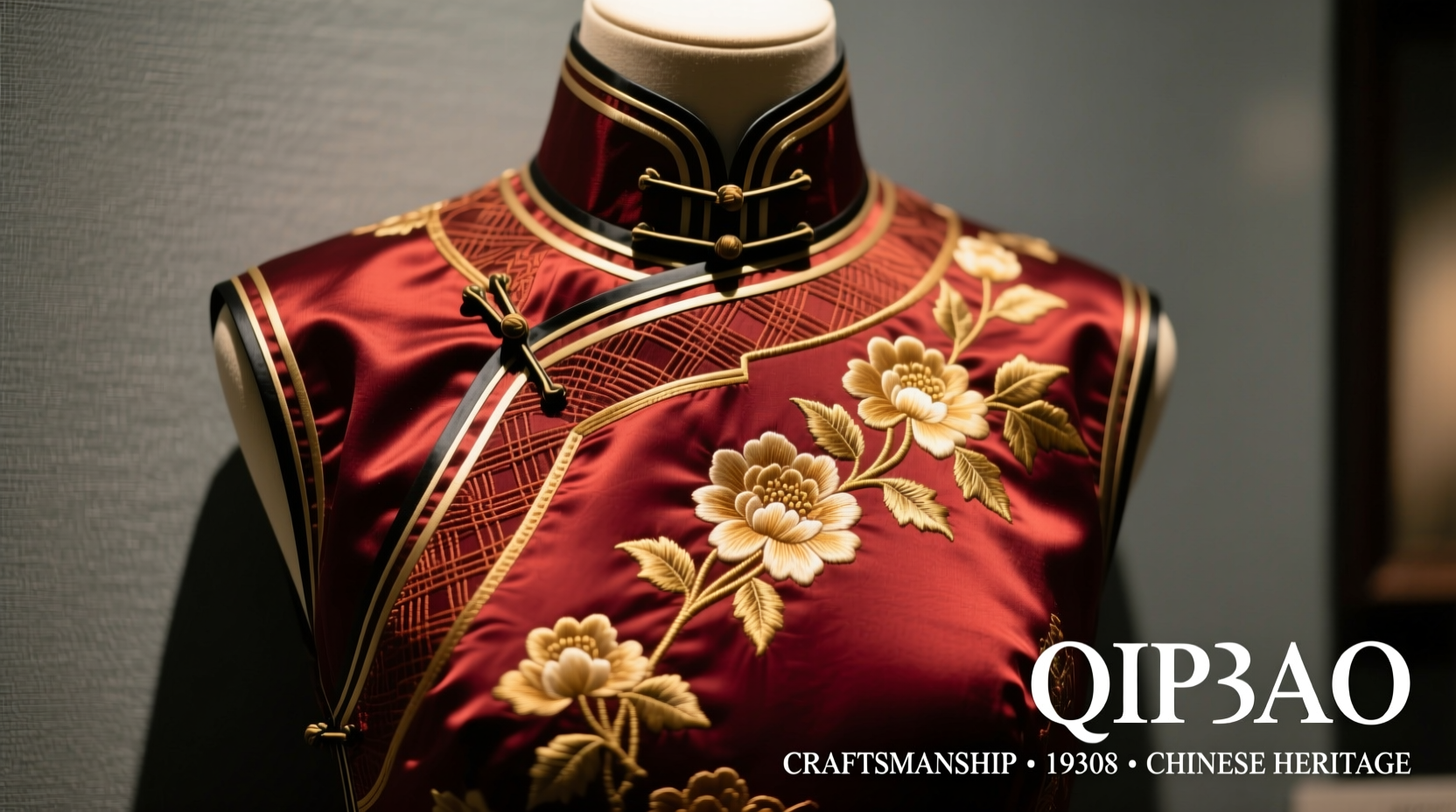
Originating in the 1920s and evolving from Manchu banner robes, the modern Qipao is form-fitting and features a stiff, high mandarin collar (lingzi) and intricate knotted frog buttons (pankou). The internal wiring of the collar and the delicate silk cords of the pankou require specialized handling to prevent warping and snapping.
Fabric Composition & Care Matrix
Chinese silk weaving techniques vary wildly by region. The Metropolitan Museum of Art's Heilbrunn Timeline notes that China's regional silk hubs developed highly specialized finishing techniques. Below is a conservation matrix for the most common fabrics found in Chinese traditional garments.
| Fabric / Garment Type | Characteristics | Washing Protocol | Drying & Storage |
|---|---|---|---|
| Mulberry Silk (Sang蚕丝) Common in Qipao & Hanfu |
High luster, smooth, protein-based. Highly sensitive to pH and UV light. | Hand-wash in cold water (max 30°C) with pH-neutral silk wash. Never soak. | Roll in a towel to press out water. Dry flat in shade. Store folded. |
| Xiangyunsha (香云纱) Gambiered Canton Gauze |
Dyed with yam juice and river mud. Has a dark, crackled finish. Water can leave permanent spots. | Do not wash. Air out in a breezy, shaded area. Spot clean only with a damp cloth. | Never wring. Hang on padded hangers. Store in breathable cotton muslin. |
| Shu Brocade (蜀锦) Heavy Tangzhuang Jackets |
Thick, multi-layered woven silk with metallic threads. Prone to shrinking and dye bleeding. | Dry clean only. Seek a specialist in vintage Asian textiles. | Store flat. Never hang, as the weight will distort the shoulder seams. |
| Luo Gauze (罗) Summer Hanfu Outerwear |
Open-weave, highly breathable, but structurally fragile. Snags easily. | Submerge gently in silk wash solution. Do not rub or agitate the fabric. | Lay flat on a mesh drying rack. Iron on lowest setting with a press cloth. |
The Chemistry of Silk: Washing Protocols
Silk fibroin, the protein that makes up silk threads, is destroyed by alkaline environments. Standard laundry detergents, baking soda, and stain removers typically have a pH of 9 to 11. Washing a Qipao or Hanfu in these solutions will cause the silk to lose its tensile strength, resulting in 'silk rot' where the fabric shatters upon touch.
Step-by-Step Hand Washing Guide
- Test for Colorfastness: Dab a hidden seam with a wet white cotton swab. If dye transfers, the garment must be professionally dry-cleaned.
- Prepare the Bath: Fill a clean basin with cold water (under 30°C / 86°F). Add a specialized, pH-neutral detergent (such as Eucalan or a dedicated silk wash).
- Submerge and Press: Turn the garment inside out to protect outer embroidery. Submerge it and gently press the water through the fabric. Never twist, scrub, or wring the silk.
- The Rinse: Drain the soapy water and refill with cold water. Repeat until the water runs clear. Adding a tablespoon of white vinegar to the final rinse can help restore the silk's natural luster and neutralize residual alkalinity.
Drying, Ironing, and Structural Preservation
The Victoria and Albert Museum's textile conservation department emphasizes that the drying phase is where most historical garments suffer structural distortion. Gravity is the enemy of wet silk.
Navigating Pankou (Frog Buttons) and Stiff Collars
If you are caring for a Qipao, the pankou (knotted buttons) and the stiff collar present unique ironing challenges. Many vintage and high-end modern pankou contain a thin copper or steel wire core to maintain their intricate floral or geometric shapes. If you wring the Qipao after washing, this wire will bend, permanently ruining the button's symmetry.
- Drying: Lay the Qipao flat on a clean, dry towel. Roll the towel up like a sleeping bag to gently press out excess moisture. Unroll and transfer the garment to a padded hanger or a flat mesh rack.
- Ironing Collars: Use a steam iron on the 'Silk' setting. Place a clean, white cotton press cloth between the iron and the collar to prevent scorching and 'shine' marks on the silk.
- Pressing Pankou: Never iron directly over the knots. Use the tip of the iron to press the fabric around the buttons, or use a tailor's ham to allow the knots to rest in the hollow space while you steam the surrounding silk.
Archival Storage: Defeating Humidity, Pests, and Light
Traditional Chinese garments were historically stored in Zhangmu Xiang (camphor wood chests). Camphor wood naturally repels silverfish and moths while emitting a distinct, protective aroma. However, modern climate-controlled environments require updated archival strategies.
'Textiles of protein origin, such as silk and wool, are highly susceptible to photodegradation and insect predation. Archival storage must prioritize darkness, stable humidity (45-55%), and acid-free buffering materials to prevent the migration of acidic compounds into the fibers.' — Principles of Textile Conservation, V&A Museum Guidelines.
The Modern Storage Framework
To protect your Hanfu skirts, Qipao dresses, and Tang suits, implement the following storage protocol:
- Acid-Free Buffering: Fold your garments using unbuffered, acid-free tissue paper. Place tissue inside the sleeves and between the pleats of a Mamianqun to prevent hard creases that can eventually lead to fiber snapping.
- Breathable Enclosures: Never store silk in plastic dry-cleaning bags. Plastic traps off-gassed chemicals and ambient moisture, creating a microclimate perfect for mildew. Use unbleached, washed cotton muslin garment bags.
- Pest Deterrents: Avoid chemical mothballs (naphthalene), which can melt synthetic blends and leave a toxic odor that permeates silk fibers. Instead, use natural alternatives like dried lavender sachets, cedar blocks, or traditional camphor wood chips, ensuring they do not directly touch the silk to prevent oil stains.
- Rotation: Every six months, remove the garments from storage, unfold them, and refold them along different lines. This prevents permanent crease lines and allows you to inspect the fabric for early signs of pest activity or dye degradation.
Final Thoughts on Cultural Stewardship
Whether you refer to it as a 'Chinese kimono' out of habit, or correctly identify it as a Ming-dynasty inspired Hanfu or a 1930s Shanghai Qipao, the garment in your hands is a piece of living Asian history. By abandoning harsh modern laundry habits and embracing the gentle, chemistry-aware protocols of museum conservators, you transition from a mere owner to a steward of Chinese textile heritage. Treat the silk with respect, honor the artisans who wove the Xiangyunsha and tied the pankou, and your garments will remain vibrant testaments to Asian sartorial elegance for decades to come.