Chinese vs Japanese Dress: 2026 Buyer's Guide
Decoding the Terminology: Beyond 'Chinese Dress' and 'Japanese Dress'
When international buyers search for a 'Chinese dress vs Japanese dress,' they are usually navigating a complex landscape of East Asian sartorial heritage without the precise terminology. In 2026, the global appreciation for traditional Asian garments has surged, driven by a desire for bespoke craftsmanship, sustainable fashion, and cultural connection. However, conflating the tailored silhouettes of China with the draped elegance of Japan can lead to costly purchasing mistakes and cultural missteps.
This comprehensive buying guide demystifies the differences between China’s iconic qipao (cheongsam) and Japan’s kimono, providing actionable advice on construction, authentic sourcing, and investment tiers. Whether you are shopping for a wedding, a diplomatic gala, or a curated personal wardrobe, understanding these distinctions is your first step toward acquiring a genuine masterpiece.
The Chinese Qipao (Cheongsam) and Hanfu
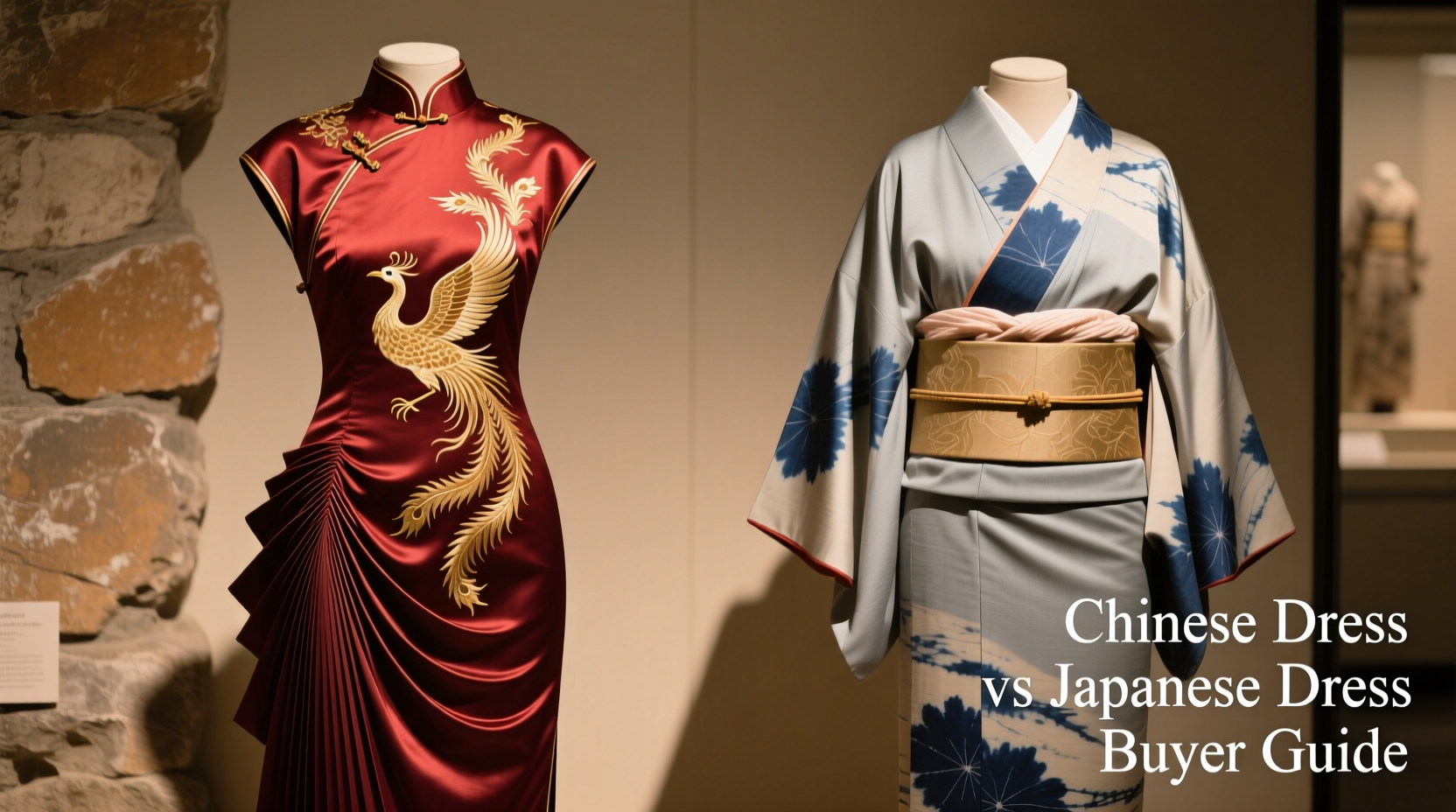
The term 'Chinese dress' most commonly refers to the qipao (or cheongsam in Cantonese). Originating from the loose-fitting robes of the Qing Dynasty, the modern qipao was revolutionized in 1930s Shanghai. It is a form-fitting, one-piece garment characterized by a Mandarin collar, asymmetric side closures, and intricate pankou (knotted) buttons. According to the Victoria & Albert Museum, the Shanghai-style qipao represents a masterful synthesis of traditional Chinese tailoring and Western 3D darting techniques to flatter the natural body contour.
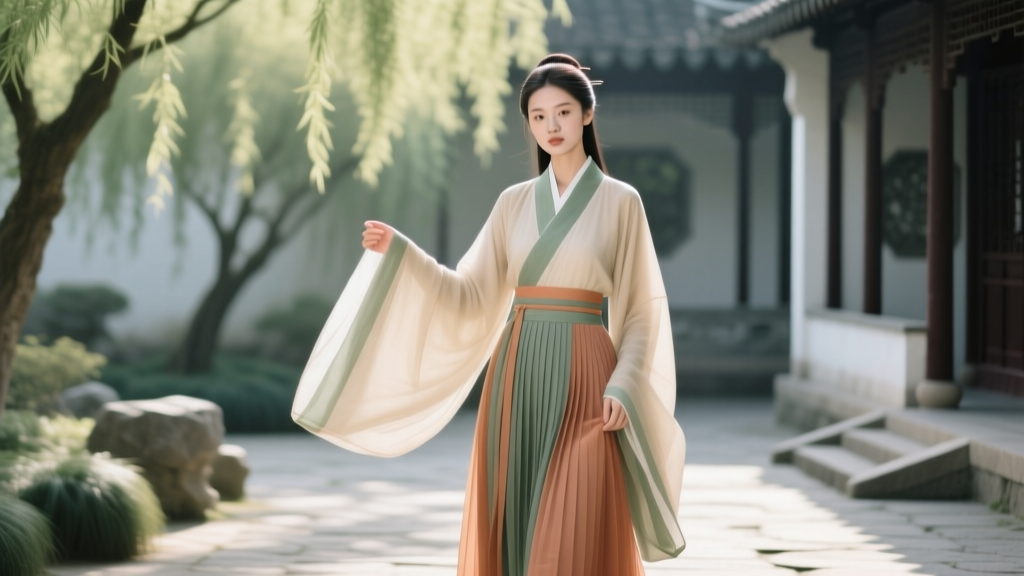
Alternatively, buyers may be seeking Hanfu, the historical clothing of the Han Chinese. Hanfu is defined by its cross-collar (jiaoling youren), wide sleeves, and sash-tied waist, lacking the buttons or zippers of the modern qipao.
The Japanese Kimono and Yukata
The 'Japanese dress' universally refers to the kimono. Unlike the body-hugging qipao, the kimono is a T-shaped, straight-seamed garment that wraps around the body, completely concealing the wearer's natural silhouette. The artistry of a kimono lies not in its tailoring, but in its textile dyeing, weaving, and the elaborate tying of the obi (sash). As noted by the Metropolitan Museum of Art, the kimono's flat, rectangular construction allows for seamless folding, storage, and the continuous display of its surface art.
For casual or summer wear, buyers often look at the yukata, an unlined, lightweight cotton version of the kimono, which is significantly more affordable and easier to style for beginners.
Structural Showdown: Tailoring, Fabrics, and Silhouettes
To make an informed purchase, you must understand how these garments are engineered. The table below contrasts the modern Shanghai-style qipao with the formal Japanese kimono.
| Feature | Chinese Qipao (Modern Shanghai Style) | Japanese Kimono (Formal) |
|---|---|---|
| Silhouette | Form-fitting, tailored with darts and side slits for mobility. | T-shaped, tubular, and draped; conceals body contours. |
| Collar | Stiff Mandarin collar that hugs the neck. | V-shaped wrap collar formed by overlapping lapels. |
| Fasteners | Hidden side zippers with decorative pankou (frog) knots. | No buttons or zippers; secured entirely by the obi sash and koshihimo ties. |
| Sleeves | Set-in sleeves (cap, short, or three-quarter length). | Wide, flowing sleeves attached in one piece with the body panels. |
| Primary Fabrics | Silk brocade, mulberry silk, velvet, crepe de chine. | Chirimen (silk crepe), Rinzu (satin damask), Ro (summer gauze). |
2026 Sourcing Guide: Where to Buy Authentic East Asian Garments
The market is flooded with mass-produced, polyester 'costume' versions of both garments. To acquire authentic, culturally respectful pieces, you must know where to look.
Sourcing Chinese Garments: Shanghai, Hong Kong, and Global Artisans
For a bespoke qipao, Shanghai and Hong Kong remain the undisputed capitals. In Shanghai, avoid the tourist traps of the South Bund Fabric Market unless you have an experienced local tailor. Instead, seek out heritage houses like Hanyi or independent master tailors in the Former French Concession who specialize in traditional xiangyunsha (Cantonese mud-silk) and hand-rolled hems.
In Hong Kong, the Linva Centre is legendary for mid-century traditional cheongsam tailoring. For international buyers unable to travel, global artisan cooperatives and specialized boutiques like Blancore or Shanghai Tang (for ready-to-wear luxury) offer reliable shipping and authentic construction.
Fabric Red Flag: Avoid 'silky satin' or 100% polyester brocades. Authentic qipaos should utilize natural fibers like mulberry silk, linen, or wool blends that breathe and drape correctly.
Sourcing Japanese Garments: Kyoto, Tokyo, and Vintage Markets
Buying a kimono is an entirely different ecosystem. For brand-new, hand-woven silk kimono, Kyoto’s Nishijin district is the epicenter. The Nishijin Textile Center connects buyers with master weavers producing intricate brocade and tsumugi (pongee) silks. However, new formal kimono are incredibly expensive and require months of lead time.
For most buyers in 2026, the vintage and recycled kimono market is the most sustainable and accessible route. Tokyo’s Ojiro and Kyoto’s Toji Temple Flea Market (held on the 21st of every month) are treasure troves for mid-century Showa-era silk kimono. Online, reputable platforms like Kimono Yukata Market or specialized Etsy sellers based in Japan offer curated, cleaned vintage pieces with accurate condition reports.
Investment Tiers: Price Ranges and What You Are Paying For
Understanding the pricing structure will protect you from overpaying for machine-made garments disguised as artisanal work.
- Entry Level / Casual ($50 - $250 USD): Japanese cotton yukata sets (includes the garment, basic obi, and geta sandals) or ready-to-wear, machine-sewn linen/cotton blend qipaos from reputable Asian fashion brands.
- Mid-Tier / Semi-Formal ($400 - $1,200 USD): Vintage Japanese silk komon (all-over pattern) kimono professionally cleaned and paired with a new silk obi. Alternatively, a custom-tailored qipao made from mid-grade silk crepe de chine with hand-knotted pankou buttons.
- Investment / Formal ($2,500 - $10,000+ USD): A new, bespoke Shanghai qipao featuring hand-embroidered Suzhou silk thread work and xiangyunsha fabric. In the Japanese realm, this tier includes formal furisode (long-sleeved) or homongi kimono featuring hand-painted Yuzen dyeing and gold leaf application, plus a professionally woven Nishijin fukuro obi.
Cultural Protocols and Wearing Etiquette for Buyers
When purchasing and wearing these garments, respecting cultural protocols is paramount. For both Chinese and Japanese traditions, the left side must always wrap over the right side. Wrapping right-over-left is strictly reserved for dressing the deceased in both cultures—a mistake that will immediately signal cultural ignorance.
For the qipao, ensure the side slits are not altered to be excessively high; traditional tailoring keeps the slit at or just above the knee to maintain elegance and modesty. For the kimono, the hemline should ideally graze the ankle bone, and the eri (collar) should be pulled slightly down at the back of the neck to expose the nape, which is considered a mark of traditional elegance.
Final Verdict: Choosing the Right Garment for Your Wardrobe
The choice between a Chinese dress and a Japanese dress ultimately depends on your lifestyle, event, and appreciation for different types of craftsmanship. If you desire a garment that celebrates the natural silhouette, offers ease of movement, and features intricate structural tailoring, invest in a bespoke qipao. If you are drawn to wearable art, prefer a draped and forgiving silhouette, and wish to participate in the meditative art of sash-tying, a kimono is an unparalleled investment. By prioritizing natural fabrics, authentic construction methods, and reputable artisans, your 2026 purchase will become a cherished, culturally respectful heirloom.