Decoding the Chinese Dress Name: Regional Styles & Substyles
The Monolith Myth: Why 'Chinese Dress' Needs a Specific Name
When global enthusiasts, vintage collectors, and cultural historians search for a specific chinese dress name, they are often confronted with a frustrating lack of nuance. The English umbrella term 'Chinese dress' erases thousands of years of textile evolution, vast geographic diversity, and intricate ethnic distinctions. To truly understand the sartorial heritage of China, one must abandon the monolith and learn the precise nomenclature dictated by region, dynasty, and ethnic identity. From the cosmopolitan tailoring of 1930s Shanghai to the ancient, pleated weaving techniques of the Ming Dynasty, every garment carries a specific name that reveals its cultural DNA.
This guide decodes the most prominent regional variations and substyles of Chinese traditional garments, providing the exact terminology, construction details, and cultural protocols necessary for authentic appreciation and acquisition.
The Qipao and Cheongsam: A Tale of Two Regional Silhouettes
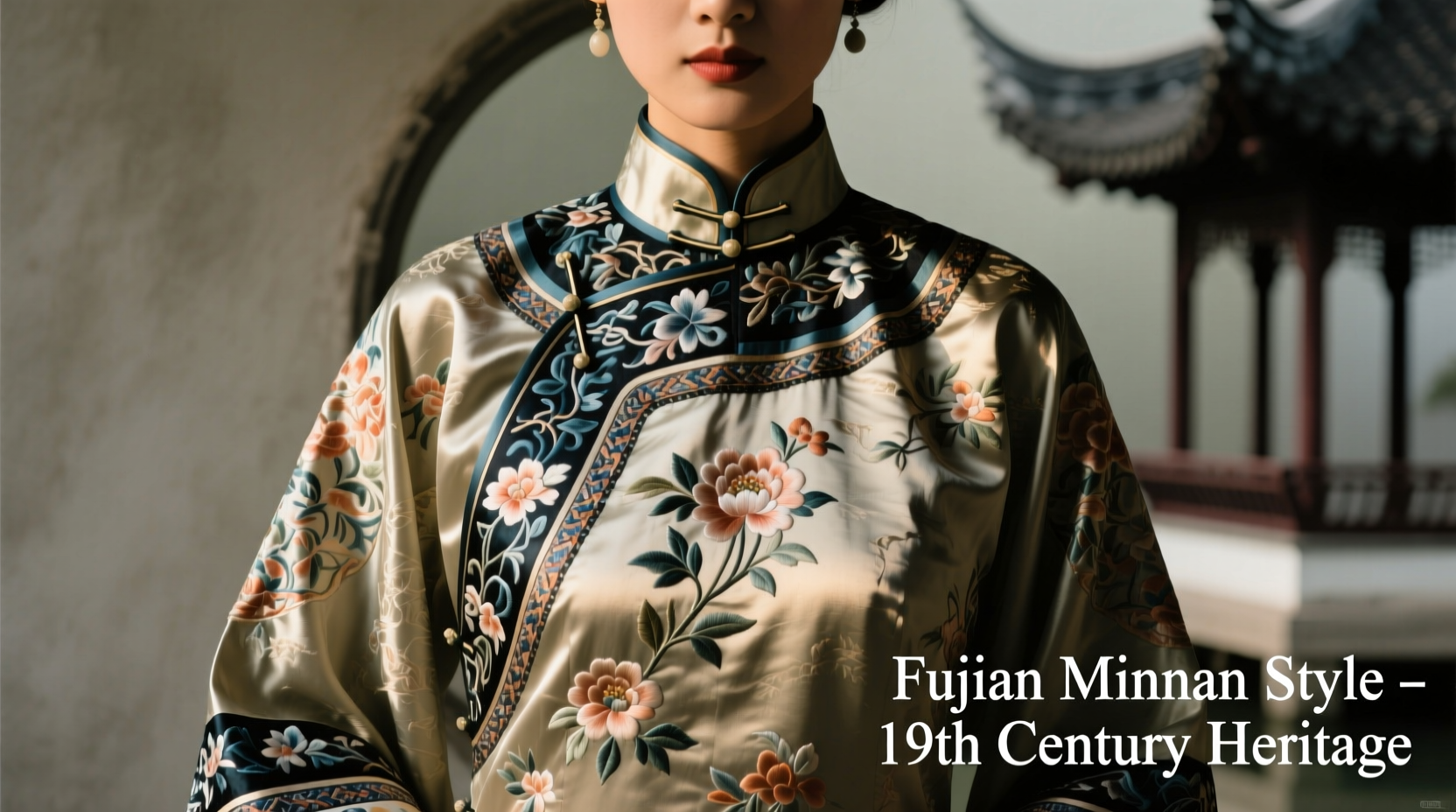
The most globally recognized Chinese garment is the form-fitting, high-collared dress known interchangeably as the qipao (Mandarin) or cheongsam (Cantonese). However, treating these names as exact synonyms ignores a deep regional divide in tailoring philosophy that emerged in the early 20th century.
Shanghai Style (Hai Pai): The Cosmopolitan Silhouette
The Haipai (Shanghai style) qipao is the garment most frequently depicted in global media. Emerging in the 1920s and peaking in the 1930s, this style was heavily influenced by Western tailoring. It features darted bodices, set-in sleeves, and high side slits that reveal the leg. The Shanghai qipao is designed to follow the natural curves of the body. Master tailors in Shanghai utilize a technique called guibao (iron-molding), where the fabric is stretched and shrunk with a heavy iron to create a three-dimensional shape without relying heavily on darts, preserving the continuous flow of the brocade or silk pattern.
Price Guide: A mass-produced Shanghai-style qipao ranges from $80 to $150. However, a bespoke garment from a heritage Shanghai tailor, utilizing hand-rolled hems and authentic Xiangyunsha (gambiered silk gauze), will cost between $1,200 and $3,500 USD.
Guangdong and Hong Kong Style (Jing Pai / Traditional)
Conversely, the traditional Jingpai (Beijing style) and the Cantonese cheongsam favor a more conservative, structured silhouette. The Guangdong variation often features a looser, A-line fit, lower side slits, and heavier use of intricate pankou (frog fasteners) that span across the chest and shoulder rather than just the collar. In Cantonese tailoring, the use of stiff, gold-woven brocades is preferred over the fluid, drapey silks of Shanghai, resulting in a garment that acts almost like elegant armor.
Hanfu Substyles: Naming the Garments of the Han Majority
The contemporary Hanfu movement has revived the pre-Qing dynasty clothing of the Han Chinese majority. Searching for a 'Hanfu chinese dress name' will yield dozens of specific substyles, each defined by its collar type, sleeve shape, and skirt construction.
Mamianqun (The Horse-Face Skirt)
Originating in the Song Dynasty and popularized during the Ming Dynasty, the Mamianqun is a wrap skirt characterized by two flat, unpleated front and back panels (the 'horse faces') and heavily pleated side panels. This ingenious construction allowed for ease of movement while horseback riding, yet maintained a dignified, structured drape when standing. Modern reproductions often feature zhi jin (gold-woven) silk threads. According to the China National Silk Museum, authentic Ming-era Mamianqun utilized complex draw-loom techniques that are currently being reverse-engineered by modern artisan cooperatives in Hangzhou and Nanjing.
Ruqun (Blouse and Skirt Ensemble)
The Ruqun consists of a top garment (ru) and a skirt (qun). The most iconic variation is the Qixiong Ruqun (chest-high skirt), heavily associated with the Tang Dynasty. This style features a short-sleeved or long-sleeved blouse tucked into a voluminous skirt tied high above the bust, often accompanied by a pibo (silk shawl) draped over the arms. The silhouette reflects the cosmopolitan, prosperous nature of the Tang era, drawing influences from Central Asian and Silk Road textiles.
Shenyi (The Deep Robe)
The Shenyi is a one-piece robe that connects the upper and lower garments, symbolizing the unity of heaven and earth in traditional Chinese philosophy. It features the iconic Jiaoling Youren (cross-collar, right lapel over left) and wide, flowing sleeves. It is heavily favored in academic and ceremonial settings today due to its historical gravitas.
Regional and Ethnic Variations: Beyond the Han and Manchu
China is home to 55 officially recognized ethnic minorities, each with distinct sartorial traditions that completely redefine the concept of a 'Chinese dress'. The Smithsonian National Museum of Asian Art houses extensive collections of these regional garments, highlighting the incredible diversity of indigenous textile arts.
| Ethnic Group | Garment Name / Substyle | Regional Origin | Key Construction & Material Features |
|---|---|---|---|
| Miao (Hmong) | Baizhe Qun (Pleated Skirt) | Guizhou / Yunnan | Indigo-dyed cotton or hemp, featuring hundreds of micro-pleats and adorned with heavy, hammered silver jewelry and embroidery. |
| Dai (Tai) | Sinh (Tube Skirt) | Xishuangbanna (Yunnan) | Silk or cotton tube skirt with an intricately woven, metallic-thread hem piece (tin sinh), worn with a tight, short-sleeved top. |
| Yi | Cha'erwa (Wool Cloak) | Liangshan (Sichuan) | Heavy, fringed woolen cloak worn over pleated skirts or trousers, designed for high-altitude mountain climates. |
| Zhuang | Zhuang Brocade Tunic | Guangxi | Geometric, jacquard-woven cotton brocade (Shu Jinqun) featuring vibrant motifs of the sun, water, and local flora. |
Fabric Composition and Artisan Sourcing
Understanding the chinese dress name also requires understanding the fabric. The most prestigious material for high-end qipao and Hanfu is Xiangyunsha (Gambiered Canton Gauze). Produced exclusively in the Shunde district of Guangdong, this silk is dyed using the juice of the shulang yam and coated with iron-rich river mud, then baked in the sun. The result is a dual-toned fabric—rich brown on one side, glossy black on the other—that is water-resistant, naturally cooling, and rustles like parchment when worn. Genuine Xiangyunsha costs upwards of $150 per yard and is a protected intangible cultural heritage craft.
For Hanfu enthusiasts seeking historical accuracy, Kesi (cut silk tapestry) is the pinnacle of luxury. Unlike embroidery, Kesi weaves the pattern directly into the fabric using discontinuous wefts, creating a sculptural, three-dimensional effect. The Metropolitan Museum of Art (Asian Art Department) frequently showcases Song and Ming dynasty Kesi textiles, illustrating the painstaking labor where a single artisan may produce only a few square inches per day.
Cultural Protocols: Wearing the Right Name and Style
When adopting these garments, cultural respect is paramount. The most critical protocol in Han Chinese dress is the Jiaoling Youren rule: the left side of the collar must always cross over the right side. Reversing this (Zuoren, left over right) is strictly reserved for funerary garments and dressing the deceased. Wearing a right-over-left collar in daily life or at festive occasions is considered deeply inauspicious and culturally offensive.
Furthermore, the placement of motifs carries weight. A Mamianqun featuring dragons and phoenixes is traditionally reserved for brides or highly formal ceremonial events, while motifs of plum blossoms, bamboo, or subtle geometric lattice patterns are appropriate for daily wear and academic gatherings. By learning the precise regional and historical names of these garments, collectors and wearers move beyond superficial aesthetics, engaging instead with a living, breathing tapestry of Asian textile history.