Chinese Dress Material Guide: Fabrics for Every Occasion

The Foundation of Elegance: Understanding Chinese Dress Material
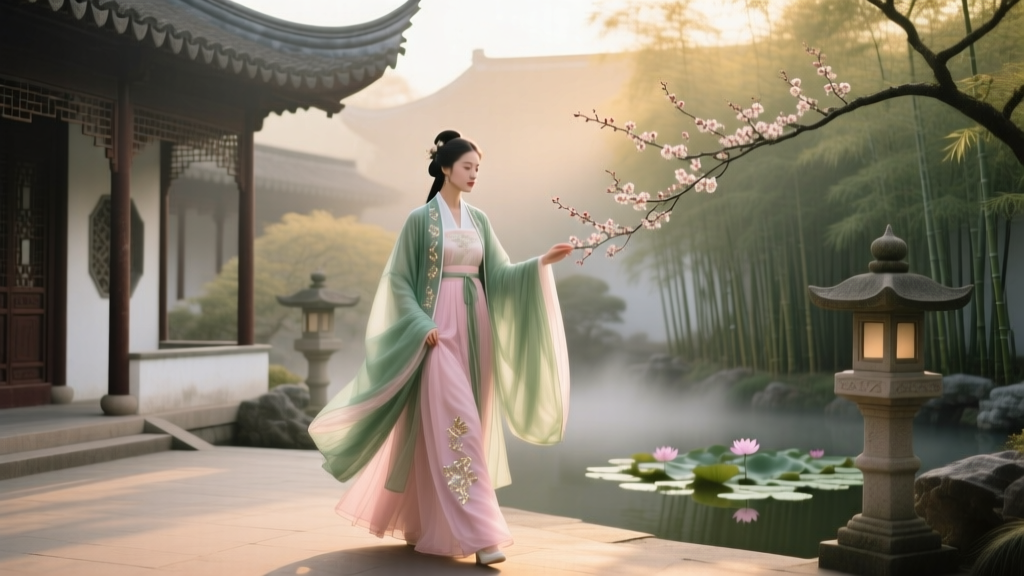
Whether you are commissioning a bespoke qipao (cheongsam) for a gala, sourcing yardage for a flowing Hanfu ensemble, or tailoring a structured Tang suit for the Lunar New Year, the chinese dress material you select dictates the garment's movement, formality, and cultural resonance. In traditional Chinese sartorial arts, fabric is not merely a canvas; it is the architecture of the garment. The drape of a Song dynasty-inspired outer robe requires a vastly different textile than the rigid, body-skimming silhouette of a 1930s Shanghai-style qipao.
This comprehensive occasion and event guide will help you navigate the complex world of Asian textiles, ensuring your fabric choices align with cultural protocols, seasonal demands, and aesthetic expectations.
Matching Fabric to the Occasion: An Event Planner’s Matrix
Selecting the appropriate textile requires balancing the event's formality with the garment's historical cut. Below is a strategic matrix for event planners and garment enthusiasts.
| Event Type | Recommended Garment | Ideal Chinese Dress Material | Seasonality |
|---|---|---|---|
| Wedding / Grand Banquet | Qipao / Ming Dynasty Hanfu | Shu Brocade, Heavy Silk Satin | Autumn / Winter |
| Tea Ceremony / Art Exhibition | Song Hanfu / Modern Qipao | Xiangyunsha, Crepe de Chine | Spring / Summer |
| Lunar New Year Gathering | Tang Suit / Winter Qipao | Velvet, Wool-Silk Blend | Winter |
| Summer Temple Festival | Ruqun (Hanfu) / Casual Dress | Ramie, Linen, Lightweight Cotton | Summer |
Luxurious Silks and Brocades for Weddings and Banquets
For high-stakes events like weddings and diplomatic banquets, the structural integrity and visual weight of the fabric are paramount. The intricate sericulture traditions are recognized globally, with UNESCO acknowledging Chinese sericulture and silk craftsmanship as Intangible Cultural Heritage.
Shu Brocade (Shujin) and Song Brocade (Songjin)
Originating from Sichuan, Shujin is renowned for its vibrant colors, tight weave, and exceptional durability. It is the premier chinese dress material for festive Tang suits and heavily embroidered wedding qipaos. Conversely, Suzhou’s Songjin (Song Brocade) offers a softer, matte finish with intricate, understated geometric and floral patterns. Songjin is highly prized for Hanfu outer layers (beizi), providing an elegant drape that whispers rather than shouts. Authentic silk brocades typically range from $60 to $150 USD per meter, depending on the complexity of the jacquard weave and the inclusion of metallic threads.
Xiangyunsha (Gambiered Canton Gauze)
Often referred to as "soft gold," Xiangyunsha is a highly specialized silk from Guangdong. The fabric is dyed using the juice of the Dioscorea cirrhosa tuber and coated with iron-rich river mud, resulting in a dark, lustrous front and a matte, earthy back. According to the Victoria and Albert Museum's Asian textile archives, this unique dyeing process creates a fabric that is naturally antimicrobial, water-resistant, and produces a distinct rustling sound when worn. Priced between $120 and $300+ USD per meter, it is the ultimate choice for a sophisticated summer tea ceremony or an upscale garden banquet.
Breathable Linens and Ramie for Summer Festivals
Before the widespread adoption of cotton in the Ming Dynasty, ancient Chinese commoners and scholars alike relied on plant fibers. When attending outdoor summer festivals or casual cultural gatherings, historical weaving techniques are preserved and studied by institutions like The Metropolitan Museum of Art, reminding us of the historical prominence of bast fibers.
- Ramie (Ma): Known for its crisp texture and exceptional cooling properties, ramie is ideal for the structured, cross-collared (jiaoling youren) tops of a summer Ruqun Hanfu.
- Slub Linen: Offers a relaxed, organic drape that softens with every wash. Perfect for modern, minimalist qipao variations worn to daytime brunches or casual temple visits.
- Kudzu (Ge): A historically significant, ultra-lightweight fiber that provides a sheer, ethereal quality for layered summer garments.
Structured Velvets and Wools for Winter Celebrations
Winter events, particularly the Lunar New Year and the Lantern Festival, demand textiles that offer both insulation and a rich visual depth. Velvet (si-rong) became highly fashionable during the Qing Dynasty, heavily influenced by Manchu court dress. A winter qipao crafted from silk-blend velvet or a high-grade wool-silk crepe provides a luxurious, light-absorbing texture that pairs beautifully with intricate pankou (knotted buttons) and subtle fur trimmings. Expect to pay $40 to $90 USD per meter for premium winter textiles.
Sourcing Authentic Materials: Pricing and Artisan Cooperatives
Navigating the market for authentic chinese dress material requires a discerning eye. Synthetic blends (polyester masquerading as silk) are rampant in fast-fashion outlets. To ensure authenticity:
- Visit Specialized Hubs: The Suzhou Silk Market and Hangzhou China Silk City remain the epicenters for wholesale and retail silk. For Xiangyunsha, sourcing directly from artisan cooperatives in Foshan (Guangdong) guarantees heritage-quality dyeing.
- The Burn Test: Authentic silk smells like burning hair and leaves a crushable ash; polyester melts into a hard, plastic bead.
- Understand the Pricing: A genuine, hand-woven silk brocade will rarely cost less than $50 USD per meter. If a vendor offers "silk brocade" for $10 a yard, it is undoubtedly a synthetic jacquard.
Cultural Protocols: What to Avoid When Selecting Fabrics
"In traditional Chinese sartorial culture, the motif woven into the fabric carries as much weight as the textile itself. Wearing a bridal motif to a casual dinner is considered a significant cultural faux pas."
When selecting your fabric, pay strict attention to the scale and symbolism of the woven or embroidered motifs. A fabric featuring a massive, symmetrical dragon and phoenix (longfeng) motif is strictly reserved for brides. Wearing such a material to a standard banquet or as a guest at a wedding is viewed as upstaging the bride. Instead, opt for universally auspicious but understated motifs: plum blossoms (meihua) for resilience, orchids for scholarly elegance, or subtle geometric cloud patterns (xiangyun).
Furthermore, avoid pure, unadorned white silk for joyous occasions like weddings or the Lunar New Year, as white is traditionally associated with mourning in Han Chinese culture. Opt for ivory, champagne, or pastel hues if you desire a light color palette, reserving stark white for modern, Westernized contexts or specific historical Hanfu reconstructions where it holds a different contextual meaning.