Hanfu Photoshoot Symbolism: Decoding Colors and Motifs

The Cultural Weight of a Hanfu Photoshoot
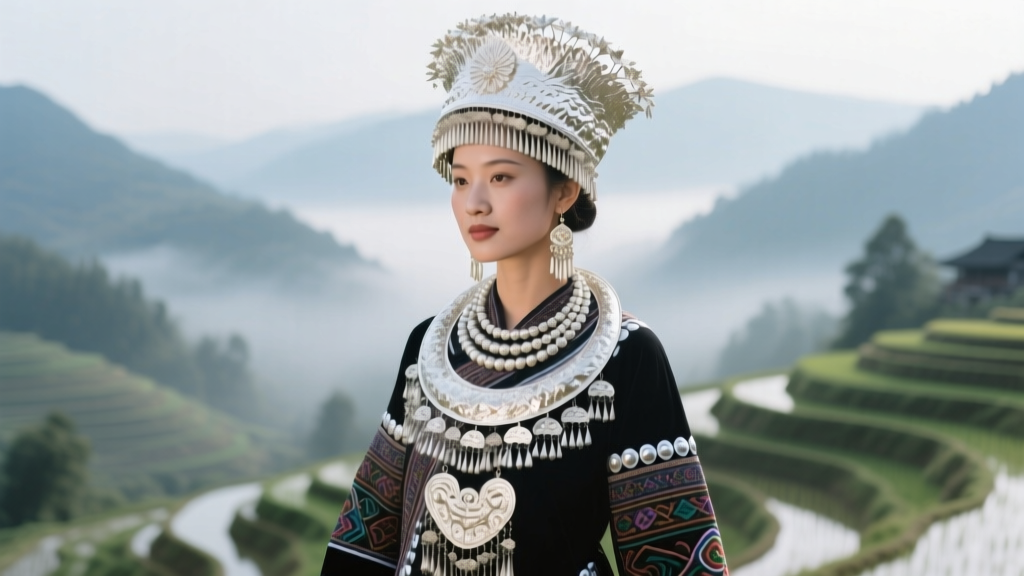
When planning a hanfu photoshoot, most enthusiasts initially focus on aesthetics: the drape of the silk, the picturesque location, and the elegance of the hairpins. However, Hanfu (汉服) is not merely a historical costume; it is a profound visual language. The ongoing Hanfu Yundong (Hanfu revival movement) among Chinese youth is deeply rooted in cultural reclamation and historical literacy. To truly honor the tradition, your photography must reflect the deep philosophical, cosmological, and social symbolism woven into every thread of the garment.
Understanding the semiotics of Hanfu transforms a simple portrait session into a culturally resonant narrative. From the cosmological alignment of the Five Elements (Wuxing) to the strict etiquette of collar placement, every detail communicates a specific meaning. This guide will decode the hidden language of Hanfu, ensuring your next photoshoot is as historically respectful as it is visually stunning.
Decoding the Five Elements (Wuxing) in Hanfu Color Theory
Traditional Chinese color theory is inextricably linked to the Wuxing (五行), or the Five Elements philosophy. Unlike Western color theory, which often prioritizes seasonal palettes or skin-tone matching, Hanfu color symbolism connects the wearer to the cosmos, the cardinal directions, and the changing of the seasons. When selecting a garment for your shoot, consider the elemental narrative you wish to portray.
| Color (Se) | Element (Wuxing) | Direction & Season | Symbolic Meaning | Ideal Photoshoot Context |
|---|---|---|---|---|
| Qing (Cyan/Green) | Wood | East / Spring | Growth, vitality, harmony | Bamboo forests, spring gardens, scholarly settings |
| Chi (Red/Vermilion) | Fire | South / Summer | Joy, prosperity, yang energy | Festivals, weddings, vibrant architectural backdrops |
| Huang (Yellow) | Earth | Center / Late Summer | Imperial power, neutrality, grounding | Palace courtyards, late autumn landscapes |
| Bai (White) | Metal | West / Autumn | Purity, mourning, introspection | Snowscapes, minimalist studios, solemn memorials |
| Hei (Black) | Water | North / Winter | Wisdom, mystery, the heavens | Night shoots, water features, solemn ceremonies |
Historically, the combination of Xuan (a deep, near-black blue representing the heavens) and Xun (a warm, earthy yellow representing the earth) was used in the most sacred ceremonial Jifu (ritual garments). According to the Metropolitan Museum of Art's Asian Art archives, these color pairings were strictly regulated by sumptuary laws to reflect the wearer's mandate from heaven.
Motif Meanings: What Your Garment Actually Says
The embroidery and woven patterns on Hanfu are never purely decorative. They serve as talismans, status indicators, and poetic expressions. When curating your wardrobe for a shoot, aligning the motif with the mood of the photograph adds a layer of intellectual depth to the image.
Flora and Fauna Symbolism
- Peony (Mudan): Known as the 'King of Flowers,' it symbolizes wealth, honor, and feminine beauty. Best suited for opulent Tang Dynasty-style shoots.
- Plum Blossom (Meihua): Blooming in the harsh winter, it represents resilience, perseverance, and purity. Ideal for serene, cold-weather photography.
- Crane (Xianhe): A symbol of longevity and high scholarly status. Often woven into the robes of Ming Dynasty officials and Daoist practitioners.
- Dragon and Phoenix (Longfeng): Representing the balance of Yin and Yang, this motif is traditionally reserved for marital harmony and imperial authority.
Celestial and Geometric Patterns
Geometric motifs like the Shou (longevity) character woven into continuous borders, or the Ruyi (cloud collar) shapes, represent unbroken blessings and heavenly protection. The China National Silk Museum highlights how the evolution of these loom techniques—from Tang dynasty Zhuanghua (woven gold) to Song dynasty subtle damasks—reflects shifting philosophical preferences from outward opulence to inward refinement.
Dynasty Styling: Matching Silhouette to Narrative
A common mistake in amateur Hanfu photography is mixing dynasty styles, creating a historically disjointed image. Each major era of Hanfu possesses a distinct silhouette and philosophical underpinning.
Tang Dynasty (618–907 CE): Cosmopolitan Opulence
Tang Hanfu is characterized by its bold use of color, high waistlines, and relaxed collars. The Qixiong Ruqun (chest-high skirt) and Daxiushan (large-sleeved robe) reflect a prosperous, cosmopolitan empire heavily influenced by Silk Road trade. Photoshoot Vibe: Joyful, expansive, and vibrant. Use rich silks and gold hair ornaments.
Song Dynasty (960–1279 CE): Scholarly Minimalism
Influenced by Neo-Confucianism, Song aesthetics favored restraint, slender silhouettes, and muted, elegant colors. The Beizi (a long, parallel-collar jacket) worn over a pleated skirt is the hallmark of this era. Photoshoot Vibe: Introspective, quiet, and refined. Perfect for tea ceremonies, calligraphy sessions, or misty bamboo groves.
Ming Dynasty (1368–1644 CE): Structured Grandeur
Ming Hanfu introduced structured collars, intricate metal buttons, and the iconic Mamianqun (horse-face skirt). The Aoqun (lined jacket and skirt) ensemble projects dignity and formality. Photoshoot Vibe: Regal, grounded, and highly detailed. Focus on the intricate pleats of the Mamianqun and the heavy, woven brocades.
Cultural Etiquette: The Crucial Rules of Posing
The most critical element of a respectful hanfu photoshoot is understanding the etiquette of the garment's construction, particularly the collar. This is where many commercial studios and uninformed wearers make a severe cultural error.
'The intersection of the collar is not merely a tailoring choice; it is the physical manifestation of Yin and Yang, life and death, in traditional Chinese sartorial culture.'
— Curatorial Notes on Asian Textiles, Victoria and Albert Museum
The Golden Rule: Jiaoling Youren
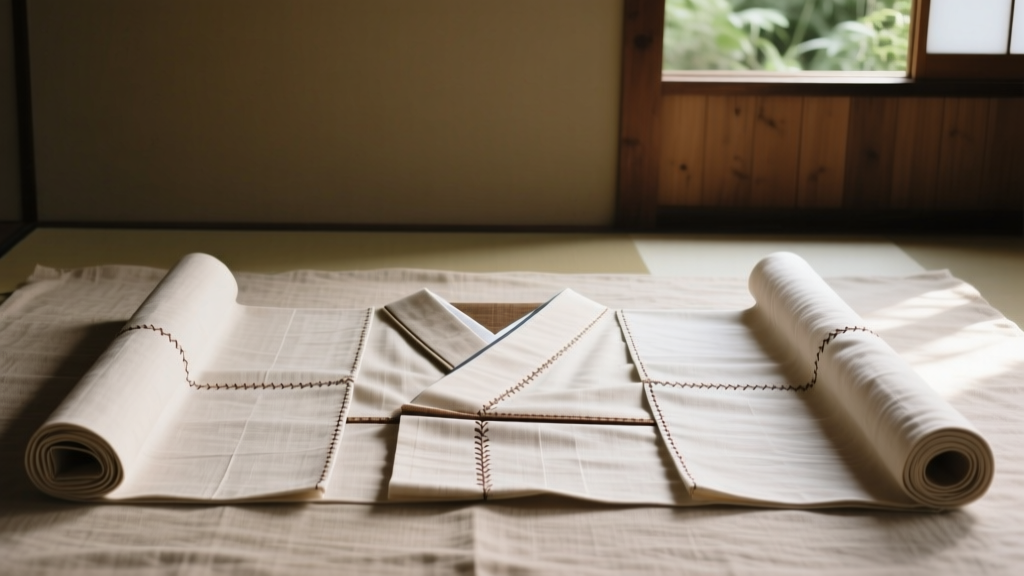
Hanfu must always be worn Jiaoling Youren (交领右衽)—meaning the left side of the collar crosses over the right side, forming a 'y' shape that wraps to the wearer's right. In traditional Chinese philosophy, the left represents Yang (life, the living, the sun), while the right represents Yin (death, the underworld). Covering the Yin with the Yang protects the living wearer.
Warning: Wrapping the right side over the left (Zuoren) is strictly reserved for dressing the deceased for burial. In a photoshoot, a reversed collar is considered highly inauspicious and deeply offensive to cultural practitioners. Always double-check your reference images and mirror reflections before the shutter clicks.
Posture and Prop Handling
- Hand Gestures: When performing the traditional Gongshou (cupped hands greeting), men place their left hand over their right fist, while women place their right hand over their left fist. This aligns with the traditional belief that men are inherently Yang and women are Yin.
- Fans and Umbrellas: Oil-paper umbrellas (Youzhisan) symbolize protection and warding off evil, while folding fans denote scholarly status. Avoid holding them aggressively; they are extensions of the scholar's grace, not weapons.
- Sleeve Management: The long Shuixiu (water sleeves) should be manipulated with fluid, deliberate wrist movements. Avoid bunching the fabric in your fists, which ruins the drape and looks historically inaccurate.
Sourcing Authentic Hanfu for Your Shoot
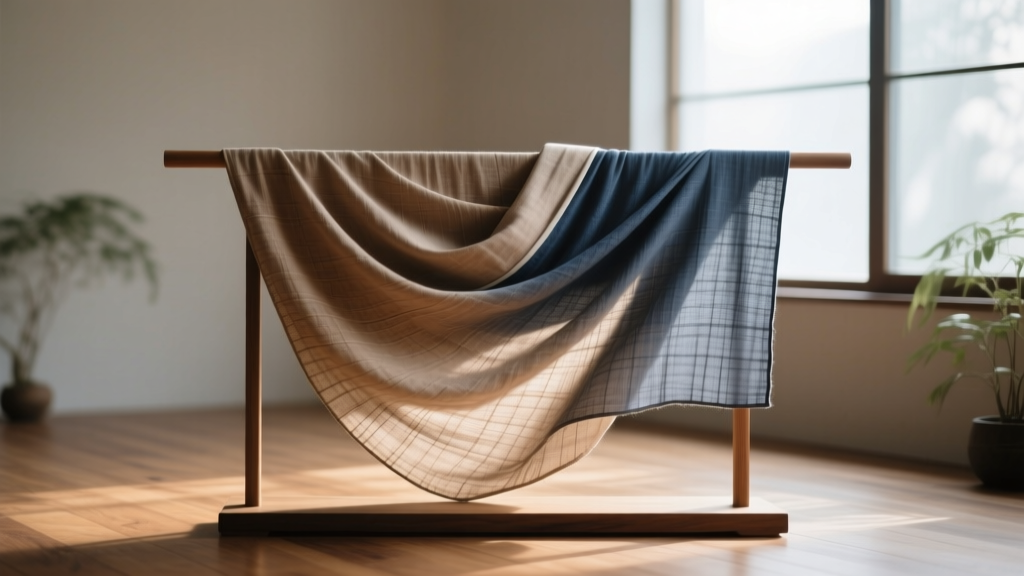
The visual impact of your photoshoot relies heavily on fabric composition. Cheap, stiff polyesters will not catch the wind or drape like historical garments. When budgeting for a high-quality Hanfu photoshoot, consider the following market tiers:
Entry-Level & Studio Rentals ($50 – $120 USD)
Typically made from polyester chiffon or jacquard. While acceptable for casual cosplay, these fabrics lack the luster and weight required for fine art photography. The pleats on Mamianqun at this price point often lose their shape in the wind.
Mid-Range Artisan Brands ($150 – $350 USD)
Look for brands utilizing silk-cotton blends, high-grade viscose, and copper ammonia. These fabrics offer a beautiful drape and subtle sheen. Embroidery at this tier is usually dense machine-embroidery that mimics traditional Su Xiu (Suzhou embroidery) techniques.
Heritage & Intangible Cultural Heritage Fabrics ($500 – $2,000+ USD)
For editorial or highly curated shoots, invest in genuine Mulberry silk (measured in momme; look for 19-25 momme for garments). The pinnacle of Hanfu textiles is Xiangyunsha (香云纱), or 'mud silk.' This intangible cultural heritage fabric is dyed using the tannin-rich juice of the Dioscorea cirrhosa plant and coated in iron-rich river mud, resulting in a dark, crackled, water-resistant silk that sounds like rustling paper when moved. It is a photographer's dream due to its unique light-absorbing texture.
Conclusion: Capturing the Spirit (Shenyun)
A successful hanfu photoshoot transcends mere documentation of clothing; it captures the Shenyun (神韵)—the inner spirit and poetic charm—of the culture. By respecting the Wuxing color alignments, choosing historically coherent dynasty silhouettes, and adhering strictly to the etiquette of Jiaoling Youren, you elevate your photography from a simple costume portrait to a profound tribute to Asian textile heritage. Approach the garment with reverence, and the resulting images will carry a timeless, undeniable gravity.