Chinese Dress Code: Hanfu and Qipao Care

The Philosophy of Lǐ (礼): Why Garment Care is Part of the Chinese Dress Code
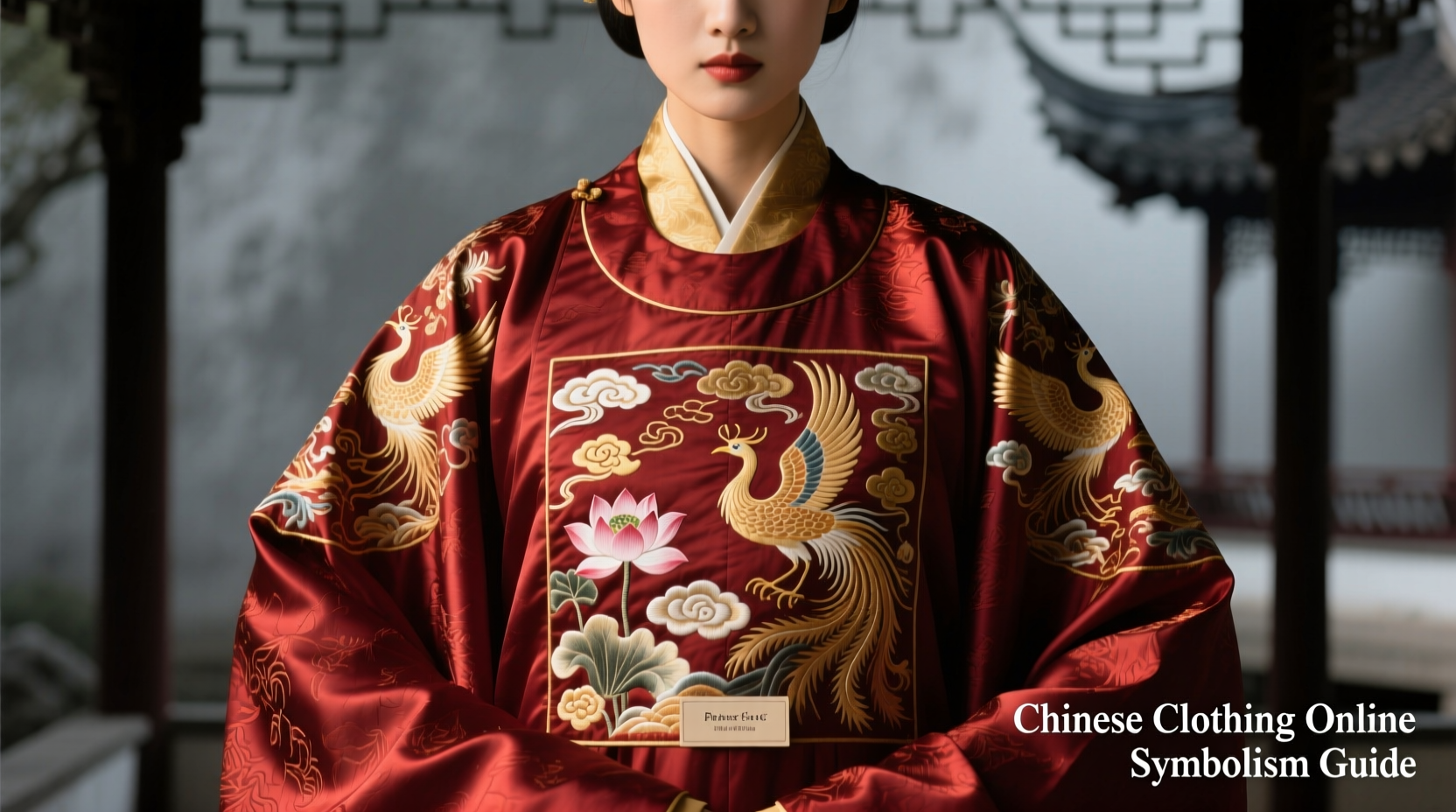
When discussing the chinese dress code (服饰礼仪, Fúshì lǐyí), most enthusiasts focus on the rules of wearing garments—matching colors to seasons, aligning collars to the left (交领右衽, jiāolǐng yòurèn), and selecting appropriate motifs for ceremonies. However, true mastery of traditional Chinese sartorial etiquette extends far beyond the act of dressing. Rooted in the Confucian concept of Lǐ (propriety and ritual respect), the meticulous care, cleaning, and preservation of silk, brocade, and embroidered textiles is considered a profound sign of respect for the artisans, the cultural heritage, and the garments themselves.
Maintaining a traditional wardrobe requires an understanding of complex protein fibers, natural dye chemistry, and structural engineering. Whether you are investing in a $400 USD yard of authentic Xiangyunsha silk or preserving a vintage 1930s velvet Qipao, this comprehensive care matrix will ensure your garments endure for generations.
Fabric-Specific Maintenance: From Xiangyunsha to Song Brocade
Hanfu construction utilizes a vast array of regional textiles, each demanding highly specific care protocols. Ignoring these nuances can lead to irreversible damage to the fibers and historical dyeing techniques.
Xiangyunsha (香云纱) – The "Soft Gold" of Lingnan
Originating from Guangdong, Xiangyunsha is a luxury silk dyed with the juice of the Shuliang (薯莨) yam and coated in iron-rich river mud. This creates a distinct dual-toned fabric: deep black on one side and rich brown on the other.
- Washing: Never use alkaline detergents or standard laundry soaps, as they will strip the tannin-mud coating. Hand wash gently in cool water (below 30°C/86°F) using a pH-neutral silk wash.
- Drying: The mud-coated side is highly sensitive to UV degradation. Always dry Xiangyunsha in deep shade. Direct sunlight will cause the black coating to crack and peel.
- Cost Context: Authentic Xiangyunsha ranges from $120 to $350+ USD per yard. Professional conservation cleaning for a finished garment typically costs $80–$120 USD.
Song Brocade (宋锦) and Mamianqun (马面裙) Pleats
The Mamianqun (horse-face skirt) relies on precise, sharp pleats (褶, zhě) that can easily collapse if mishandled. Song Brocade, often used for ceremonial tops and skirt waists, incorporates delicate metallic threads (金线, jīnxiàn).
- Pleat Preservation: Never wring out a Mamianqun. After gentle hand washing, lay the skirt flat on a towel, roll the towel to press out excess water, and then hang the skirt using a multi-clip hanger, ensuring the weight of the wet silk pulls the pleats straight down.
- Brocade Care: Metallic threads are prone to oxidation and tarnishing when exposed to moisture and sweat. Spot clean brocade panels with a barely damp microfiber cloth. For deep soil, dry cleaning by a specialist familiar with Asian textiles is mandatory.
Qipao and Cheongsam: Preserving Structure and Pankou (盘扣)
The Qipao is an exercise in structural tailoring. Unlike the flowing, un-tailored cuts of early Hanfu, the Qipao relies on darts, side slits, and intricate knot buttons known as Pankou (盘扣).
Protecting the Pankou: The knotted silk frogs are highly susceptible to crushing and fraying. When storing a Qipao, never fold the garment directly over the buttons. Instead, stuff the loops and knots with acid-free archival tissue paper to maintain their three-dimensional shape. If a Pankou becomes loose, repair it using a fine silk thread and a blind stitch; never use fabric glue, which will yellow and degrade the silk charmeuse.
Velvet (丝绒, Sīróng) Qipaos: Popular in the 1930s and 1940s, silk velvet requires extreme caution. Never iron silk velvet directly, as the heat will crush the pile permanently. Use a handheld garment steamer held at least six inches away from the fabric, and gently brush the pile downward with a soft horsehair brush while the fibers are warm and damp.
Emergency Stain Removal: Tea, Wine, and Banquet Spills
Traditional garments are frequently worn during tea ceremonies (茶艺) and banquets, making them vulnerable to tannin and protein stains. According to guidelines adapted from the American Institute for Conservation's Textile Wiki, immediate and correct action is vital for silk protein fibers.
- Tea and Coffee (Tannins): Do not use hot water, which will set the stain into the silk protein. Apply a few drops of vegetable glycerin to the stain, let it sit for 15 minutes to break down the tannin, and then gently dab with cold distilled water.
- Soy Sauce and Oils: Sprinkle cornstarch or talc-free baby powder on the oil spot immediately to absorb the lipids. Leave for an hour, brush off, and then dab with a solution of cold water and a single drop of pH-neutral dish soap.
- Red Wine: Blot (never rub) with a clean cloth. Apply a mixture of cold water and a few drops of white vinegar to neutralize the anthocyanin pigments.
Comprehensive Care Matrix: Washing, Storage, and Costs
The following table provides a quick-reference framework for maintaining the most common garments within the traditional Chinese dress code wardrobe.
| Garment / Fabric Type | Primary Soil Risk | Recommended Cleaning Method | Archival Storage Protocol | Est. Pro Cleaning Cost (USD) |
|---|---|---|---|---|
| Xiangyunsha (Mud-Silk) | Body oils, alkaline sweat | Cold hand wash, pH-neutral soap | Flat fold, unbleached cotton bag | $60 - $90 |
| Mamianqun (Pleated Silk) | Hem dirt, crease collapse | Hand wash, weighted air dry | Rolled on acid-free tubes | $85 - $150 |
| Song Brocade (Metallic) | Oxidation, water spots | Spot clean or specialist dry clean | Flat fold, tissue interleaving | $120 - $200 |
| Silk Charmeuse Qipao | Deodorant, perfume alcohol | Specialist wet cleaning | Padded hanger, breathable cover | $70 - $110 |
| Silk Velvet Qipao | Crushed pile, dust embedding | Steaming, horsehair brushing | Flat fold, avoid pressure | $100 - $160 |
Seasonal Storage Protocols for the Traditional Wardrobe
Proper storage is the final pillar of the Chinese dress code's maintenance philosophy. Silk is a protein fiber, making it highly attractive to pests and vulnerable to environmental fluctuations.
Pest Deterrence: Avoid chemical mothballs (naphthalene or paradichlorobenzene). These chemicals react with silk proteins, causing permanent yellowing and fiber weakening. Instead, use natural camphor wood blocks (樟木, zhāngmù) or dried lavender sachets. Ensure the botanical deterrents do not touch the silk directly; place them in small cotton pouches in the corners of your storage drawers.
Environmental Controls: As highlighted by the Victoria and Albert Museum's Textile Conservation Guide, textiles should be stored in environments with a relative humidity (RH) of 45-55% and a stable temperature around 18-20°C (64-68°F). High humidity invites mold (especially devastating to Xiangyunsha's mud coating), while extreme dryness makes aged silk charmeuse brittle and prone to shattering along fold lines.
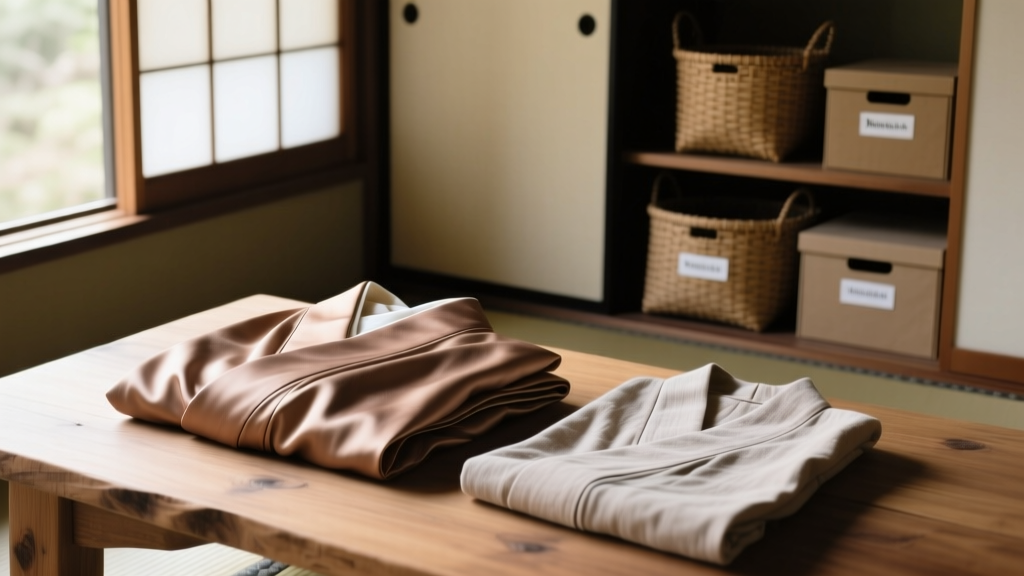
The Folding vs. Hanging Debate: Heavy, heavily embroidered Hanfu jackets and Mamianqun should never be hung long-term; the gravitational stress will warp the shoulder seams and stretch the waistbands. Fold these garments using the "padded fold" method: roll acid-free tissue paper into tubes and place them inside the folds to prevent hard creases, which can eventually cause the silk fibers to snap. Lightweight, unlined Qipaos may be hung on wide, padded satin hangers to preserve their tailored silhouettes.
Expert Sourcing and Conservation References
For collectors and practitioners seeking museum-grade conservation advice for antique Qing dynasty robes or early Republican-era Qipaos, we recommend consulting the Metropolitan Museum of Art's Textile Conservation Department guidelines, as well as reaching out to specialized artisan cooperatives in Suzhou and Hangzhou who continue to practice traditional Song Brocade weaving and can provide bespoke restoration services for damaged metallic threads.
By treating garment care as an integral, respectful extension of the Chinese dress code, you ensure that these magnificent expressions of Asian cultural identity remain vibrant, structurally sound, and ready for the next generation of wearers.