Chinese Clothing Culture: An Occasion & Event Guide

The Semiotics of Silk: Decoding Chinese Clothing Culture by Event
Chinese clothing culture is not merely a collection of historical costumes; it is a complex, living system of semiotics where fabric, color, silhouette, and embroidery dictate social harmony, respect, and identity. From the bustling streets of modern Shanghai to ancestral halls in rural Fujian, what one wears to a specific event is governed by centuries of philosophical and regional protocols. To navigate this landscape requires an understanding of both historical precedent and contemporary revival movements.
As the Metropolitan Museum of Art notes in its extensive archives on Chinese silk, the mastery of textiles in China has always been intrinsically linked to social hierarchy and ritual occasion. Today, as the Hanfu movement and neo-traditional styling gain global traction, understanding the precise etiquette for weddings, festivals, mourning, and scholarly gatherings is essential for anyone looking to engage with Chinese clothing culture respectfully and authentically.
Nuptial Rites: From the Xiuhe Fu to the Banquet Qipao
Chinese weddings are multi-stage events, and the bride’s wardrobe transitions through specific garments that reflect both regional heritage and the formality of the hour. The modern Chinese wedding typically involves three to four outfit changes, each rooted in distinct eras of Chinese clothing culture.
The Morning Ceremony: Xiuhe Fu and Longfeng Gua
For the morning door games and the traditional tea ceremony with the groom’s family, brides typically wear either a Xiuhe Fu (秀禾服) or a Longfeng Gua (龙凤褂). While often confused by Western observers, these garments possess distinct lineages and construction rules.
- Xiuhe Fu: Originating from Qing Dynasty Han Chinese women’s daily wear, the Xiuhe Fu features an A-line skirt and a looser, more forgiving top. It is heavily embroidered with Suzhou-style silk threads, often depicting phoenixes, peonies, and bats (symbolizing good fortune). It is favored for its comfort and romantic, flowing silhouette.
- Longfeng Gua (Qun Kwa): A deeply entrenched Cantonese and Hokkien tradition, the Gua is a two-piece, tight-fitting jacket and straight skirt. The cultural protocol here is strictly tied to embroidery density. The highest grade, Gua Huang (褂皇), features 100% gold and silver thread coverage, leaving no base fabric visible. According to tradition, a bride should not try on the complete jacket and skirt together before the wedding day to avoid bad luck.
The Evening Banquet: The Modern Qipao
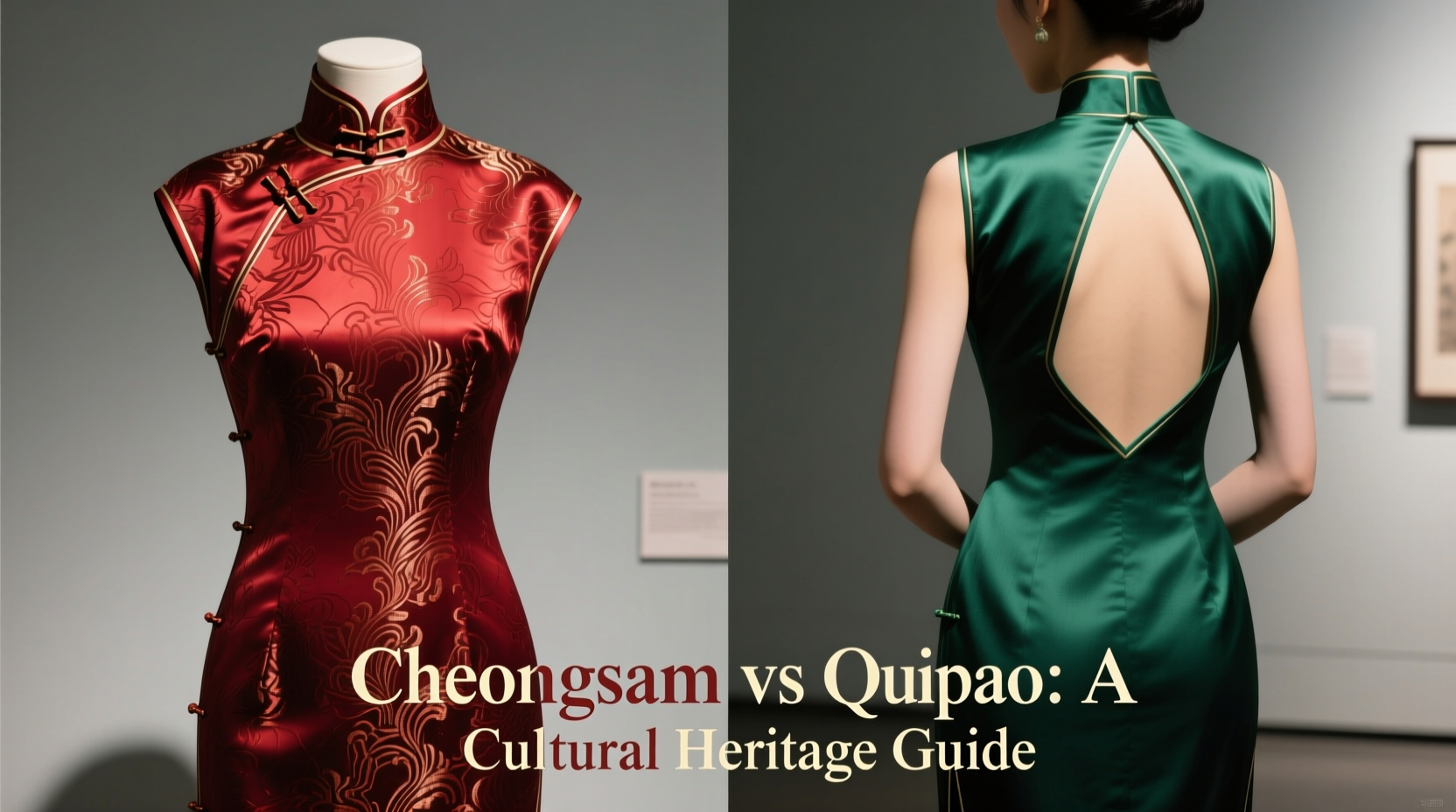
For the evening reception, the bride often transitions into a floor-length, red or champagne Qipao (Cheongsam). Unlike the everyday cotton qipaos of the 1930s, wedding qipaos are constructed from heavy silk brocade or Xiangyunsha (gambiered Canton gauze) and feature high slits, standing collars, and intricate Kesi (cut silk) tapestry weaving. Bespoke wedding qipaos from master tailors in Shanghai or Hong Kong typically range from $1,500 to $5,000 USD, requiring up to three fittings to achieve the signature structural tension that molds to the body without restricting movement.
Lunar New Year and Spring Festival Protocols
The Lunar New Year is the most significant event in the Chinese calendar, and clothing culture during this time is heavily regulated by color theory and auspicious symbolism. Red is mandatory to ward off the mythical beast Nian, while white and black are strictly avoided as they are associated with mourning.
Festival Garment Matrix: Occasion, Origin, and Investment
| Garment | Primary Occasion | Regional / Historical Origin | Fabric & Construction | Price Range (USD) |
|---|---|---|---|---|
| Tangzhuang (Tang Suit) | Family Dinners, NYE | Pan-Chinese (Modern Adaptation) | Silk blend, knotted buttons | $40 - $150 |
| Mamianqun | Temple Fairs, Hanfu Events | Ming Dynasty Revival | Jacquard woven silk, pleated | $80 - $450 |
| Children’s Hufu | NYE Gift Giving | Folk Traditions | Cotton, tiger-head motifs | $25 - $80 |
| Xiangyunsha Qipao | High-End Banquets | Guangdong / Lingnan Region | Gambiered Canton Gauze | $600 - $2,000 |
The Mamianqun (马面裙), or horse-face skirt, has seen a massive resurgence in Chinese clothing culture for Spring Festival outings. Characterized by flat front and back panels with pleated sides, the Mamianqun is historically a Ming Dynasty garment. Today, contemporary weavers in Haining produce stunning jacquard silk versions featuring auspicious clouds and dragons, making it a highly versatile piece that can be paired with a modern cashmere sweater or a traditional Beizi (vest).
The Solemnity of Sangfu: Mourning and Ancestral Veneration
Western guides on Asian dress often overlook funeral attire, yet understanding Sangfu (丧服) is crucial to grasping the depth of Chinese clothing culture. Rooted in Confucian filial piety, the mourning dress system is one of the most rigorously codified sartorial frameworks in human history.
The Wufu (Five Degrees of Mourning) system dictates the exact fabric, hemming, and duration of wear based on the mourner's genetic proximity to the deceased. It is a physical manifestation of grief and social hierarchy.
The most severe grade, Zhancui (斩衰), is worn by sons for their fathers. It is constructed from the coarsest, unbleached hemp, deliberately left with raw, unhemmed edges to symbolize a grief so profound that the mourner cannot attend to the finishing of their clothes. The next grade, Zicui (齐衰), uses slightly finer hemp with hemmed edges. Modern urbanization has simplified these practices, with most attendees at contemporary Chinese funerals wearing stark black or white with a colored armband to denote their relationship to the deceased, but the historical Sangfu system remains a cornerstone of anthropological studies at institutions like the China National Silk Museum.
Tea Ceremonies and Scholarly Gatherings
When attending a traditional Gongfu tea ceremony or a scholarly gathering (such as a guqin recital or calligraphy exhibition), the guiding principle of Chinese clothing culture shifts to "quiet elegance" and modesty. Flashy embroidery, high slits, and synthetic fabrics are considered highly inappropriate, as they distract from the meditative nature of the event.
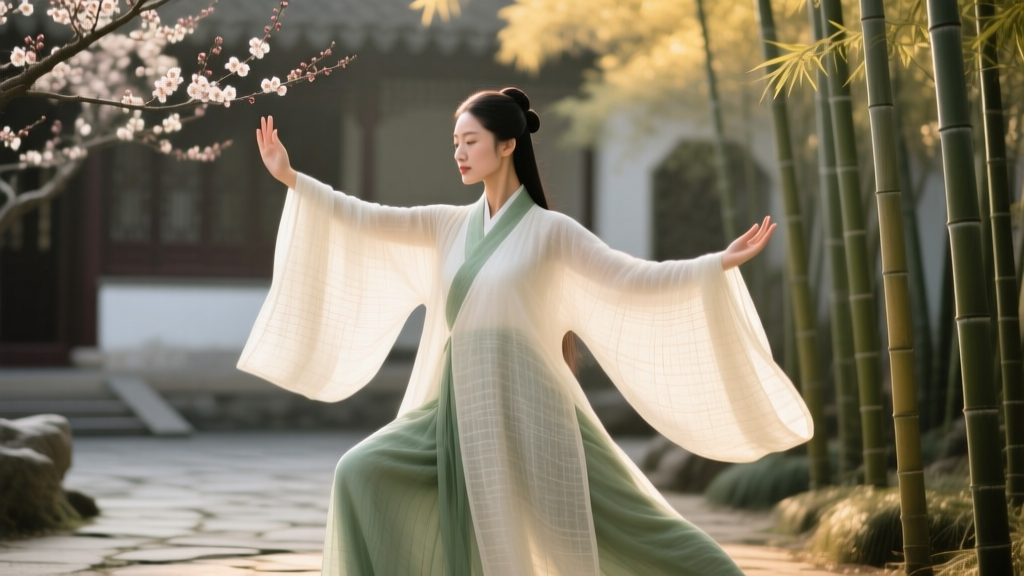
Practitioners often favor Song Dynasty Hanfu aesthetics. The Song era is revered for its minimalist, intellectual approach to dress. A typical ensemble includes a narrow-sleeved Shan (top) layered under a long, open-front Beizi (vest). Colors are drawn from nature: celadon, bamboo green, lotus pink, and ink black. The fabric of choice for these high-end cultural events is often raw silk or linen, which provides a natural drape and a subtle, matte texture that photographs beautifully in the low light of traditional tea houses.
Sourcing Authentic Pieces: A Buyer’s Framework
Engaging with Chinese clothing culture requires knowing where and how to source garments that respect traditional craftsmanship. The mass-market explosion of "ancient style" (Gufeng) clothing has flooded e-commerce platforms with historically inaccurate, polyester-blend garments. To build an authentic wardrobe for cultural events, buyers must look to specific regional artisan hubs.
Where to Source by Garment Type
- Suzhou and Hangzhou: The undisputed capitals of silk weaving and embroidery. For authentic Kesi tapestry or Su embroidery (one of the four major styles of Chinese embroidery), seek out heritage workshops in Suzhou. Expect to pay upwards of $800 for a hand-embroidered panel.
- Guangzhou and Foshan: The home of Xiangyunsha (Gambiered Canton Gauze). This intangible cultural heritage fabric is dyed using the juice of the Dioscorea cirrhosa yam and coated with iron-rich river mud, resulting in a dark, crackling fabric that repels water and cools the skin. Authentic Xiangyunsha is sold by the yard, typically ranging from $150 to $400 per meter, as documented in the textile preservation archives of the Victoria and Albert Museum's Asian collections.
- Cao County (Shandong): The modern hub for Hanfu manufacturing. While Cao County produces the vast majority of affordable, mass-market Hanfu for daily wear and festival costumes, buyers seeking museum-grade historical accuracy should look for independent studios that publish their historical references and pattern drafts.
Styling and Protocol Checklist for Attendees
When attending an event centered around Chinese culture, adhere to these foundational rules to ensure respect and appropriateness:
- Never mix left and right lapels incorrectly. In Hanfu and traditional Qipao construction, the left lapel must always cross over the right (Jiaoling Youren). The reverse is strictly reserved for dressing the deceased.
- Match the formality of the host. If the host is wearing a casual cotton Hanfu, arriving in a fully embroidered, trailing Ming Dynasty court dress will be seen as upstaging. Conversely, wearing a modern T-shirt to a formal tea ceremony shows a lack of cultural reverence.
- Understand the color context. While red is celebratory, wearing a full red outfit to an elder's birthday banquet can sometimes be seen as competing with the guest of honor, who traditionally wears the red. Opt for jewel tones like plum, sapphire, or jade green instead.
Chinese clothing culture is a profound dialogue between the wearer, their ancestors, and their community. By understanding the specific garments required for life’s most pivotal occasions—from the gold-threaded joy of the Longfeng Gua to the raw hemp sorrow of the Zhancui—one moves beyond mere fashion and steps into a rich, enduring cultural continuum.