The Cheongsam: A Beginner's Guide to China's Iconic Dress
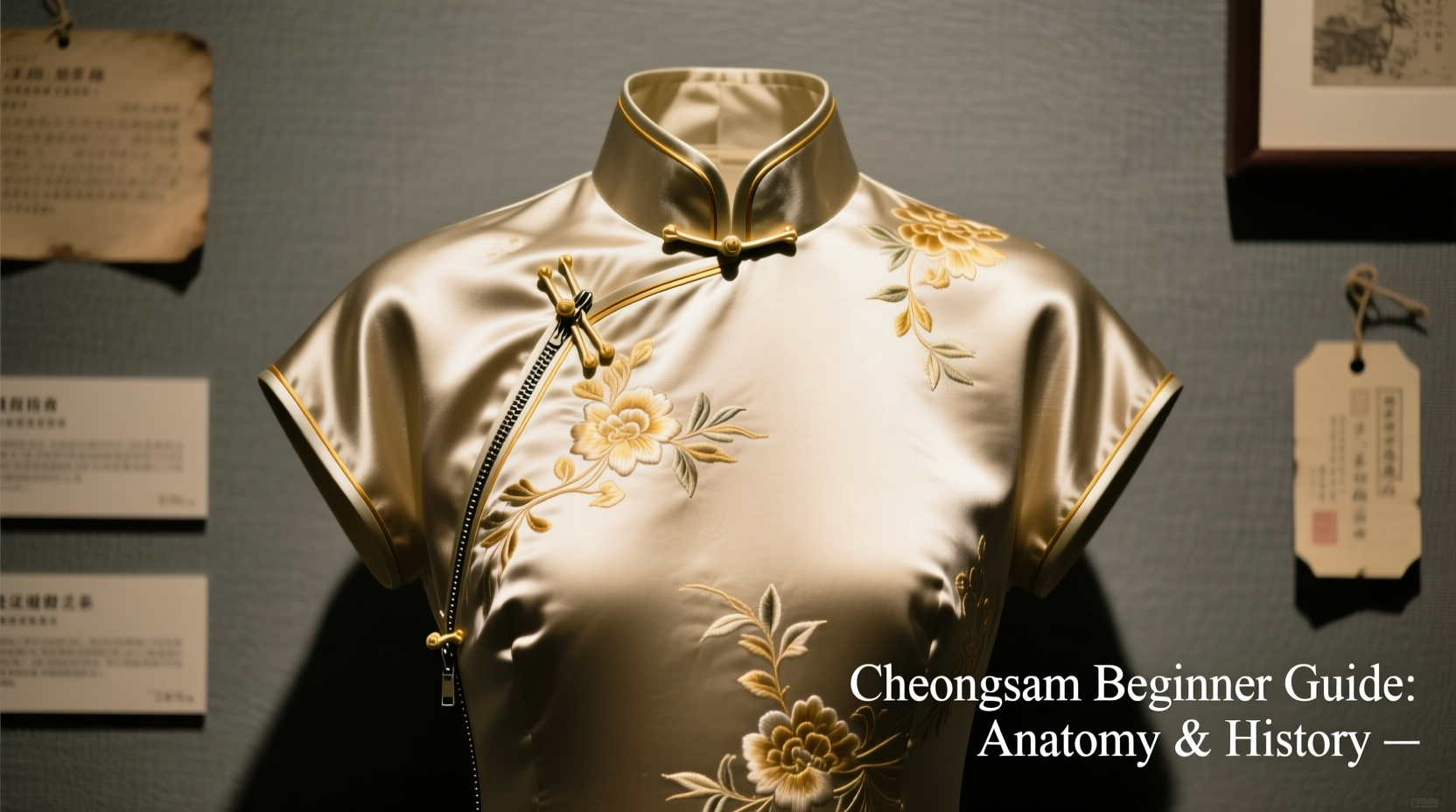
Few garments in the global sartorial lexicon possess the immediate visual recognition and profound cultural weight of the cheongsam. Characterized by its high mandarin collar, asymmetrical front opening, and form-fitting silhouette, this iconic dress is a masterclass in structural elegance. For those new to Asian traditional garments, understanding the cheongsam requires looking beyond its modern, cinematic depictions to appreciate its rich historical evolution, intricate tailoring techniques, and deep cultural symbolism.
Decoding the Terminology: Cheongsam vs. Qipao
Beginners often encounter two distinct terms for this garment, leading to understandable confusion. Both words refer to the same dress, but their usage is rooted in regional linguistics and historical context.
- Qipao (旗袍): Translating to 'banner gown' in Mandarin, this term references the garment's origins among the Manchu people of the Qing Dynasty (1636–1912), who were organized into a 'banner' system. The original qipao was a loose, A-line, full-length robe designed for modesty and ease of movement on horseback.
- Cheongsam (長衫): Meaning 'long shirt' or 'long dress' in Cantonese, this term gained international prominence through Hong Kong's tailoring industry and global diaspora in the mid-20th century. In the West, 'cheongsam' is the most widely recognized commercial term.
The Evolution of the Silhouette: From Qing Dynasty to Modern Shanghai
The transformation of the qipao from a voluminous, conservative robe into the figure-hugging cheongsam we recognize today is one of the most fascinating trajectories in fashion history. According to archives preserved by the Metropolitan Museum of Art, the modern cheongsam was born in the cosmopolitan hub of 1920s Shanghai.
The May Fourth Movement and Female Emancipation
In the 1910s and 1920s, female students and intellectuals in China began adopting the qipao as a symbol of gender equality. Historically, the one-piece robe was reserved for men, while women wore a two-piece jacket and skirt ensemble. By donning the qipao, women were making a bold political statement, demanding equal educational and social rights.
The Shanghainese Tailoring Revolution
By the 1930s, Shanghainese tailors—many of whom were trained in Western suit-making—revolutionized the garment. They introduced Western tailoring techniques such as bust darts, waist suppression, and bias cutting. The introduction of set-in sleeves and the use of imported lace and crepe de chine transformed the qipao into a modern, body-conscious silhouette that celebrated the natural female form while retaining traditional Chinese motifs.
Anatomy of a Classic Cheongsam
To truly appreciate the cheongsam, one must understand its structural components. A masterfully crafted dress relies on a delicate balance of rigid structure and fluid movement.
The Yuanbao Collar (Mandarin Collar)
The high, stiffened collar, often called the yuanbao (ingot) collar, is designed to elongate the neck and enforce an upright, elegant posture. Traditionally, the collar should fit snugly against the neck, allowing only one finger's width of space for comfort.
Pankou (Frog Closures)
More than mere fastenings, pankou are hand-knotted fabric buttons that serve as the primary decorative element on the upper bodice. Artisans spend years mastering the complex knotting techniques required to create these closures. The shape of the pankou often carries deep symbolic meaning:
- Butterfly (Hudie): Represents romance, love, and marital bliss.
- Plum Blossom (Meihua): Symbolizes resilience, endurance, and nobility in the face of hardship.
- Ruyi (Scepter Head): An ancient talisman shape denoting good fortune and the fulfillment of wishes.
- Swallow (Yanzi): Heralds the arrival of spring and new beginnings.
Kaiqi (Side Slits)
The side slits, or kaiqi, are a functional necessity born from the garment's narrow hemline. They allow for freedom of movement and ease of walking. In traditional etiquette, the slit should not extend higher than the knee when standing still, though modern interpretations and stage costumes often push this boundary.
Fabric Selection and Regional Variations
The choice of fabric dictates not only the drape and formality of the cheongsam but also its regional identity. The Victoria and Albert Museum (V&A) highlights how textile trade routes heavily influenced Chinese dressmakers. Below is a guide to traditional and contemporary fabric choices.
| Fabric Type | Characteristics & Origin | Best Use Case | Price Impact |
|---|---|---|---|
| Silk Brocade (Zhi Jin) | Heavy, woven with raised, often metallic, floral or dragon motifs. Originates from Nanjing and Suzhou. | Weddings, formal banquets, winter wear. | High ($$$) |
| Crepe de Chine | Lightweight, slightly textured silk with a beautiful matte drape. Highly favored in 1930s Shanghai. | Summer events, cocktail parties, daily elegance. | Medium ($$) |
| Xiangyunsha | Gambiered Canton Gauze. Silk dyed with yam juice and mud, resulting in a dark, crackled, water-resistant finish. | Heritage events, luxury collector pieces, humid climates. | Very High ($$$$) |
| Cotton / Linen Blends | Breathable, structured, and easy to care for. Often featuring simpler, block-printed patterns. | Casual wear, academic settings, modern street style. | Low ($) |
A Beginner’s Guide to Sizing, Tailoring, and Pricing
The most common mistake beginners make when purchasing their first cheongsam is buying off-the-rack without accounting for the necessity of precise tailoring. Unlike Western dresses that can accommodate slight size fluctuations, a traditional cheongsam is engineered to follow the exact topography of the wearer's body.
The Pricing Spectrum
Understanding the market will help you set realistic expectations for your first purchase:
- Mass-Market / Off-the-Rack ($50 – $150 USD): Usually made from synthetic blends (polyester/elastane) with machine-stamped pankou. These are suitable for costume parties or very casual wear but lack structural integrity and breathability.
- Contemporary Made-to-Measure ($300 – $800 USD): Offered by modern boutique brands in cities like Shanghai, Singapore, and New York. You select from curated fabrics, and the garment is cut to your specific measurements. Darts are placed accurately, and the collar is structured.
- Heritage Bespoke / Artisan ($1,500 – $5,000+ USD): The pinnacle of the craft. As documented by institutions like the Hong Kong Heritage Museum, master tailors (often trained in the Shanghainese 'Hongxiang' tradition) take up to 20 distinct measurements. The garment is entirely hand-stitched, the pankou are hand-knotted, and the fabric is often heritage-woven silk.
The Fitting Process
If you opt for made-to-measure or bespoke, expect at least two fitting sessions. The tailor will first create a 'toile' (a mock-up in cheap cotton) to test the fit of the shoulders, bust darts, and the crucial yuanbao collar. The second fitting involves the actual silk, where the hemline and slit heights are finalized based on your preferred heel height.
Cultural Etiquette and Modern Styling Protocols
Wearing a cheongsam is an exercise in grace and cultural respect. To wear it authentically and avoid reducing it to a mere costume, consider the following styling protocols:
Undergarments and Foundation
Because the cheongsam is often cut on the bias and hugs the hips, seamless, nude-toned undergarments are mandatory. Traditionalists often wear a thin silk slip (chenyi) underneath to protect the outer silk from body oils and to provide a smooth, frictionless layer that allows the dress to glide over the skin when walking.
Footwear Pairings
While high heels are the modern standard, they are not historically accurate to the garment's origins. For a culturally grounded and highly comfortable look, pair your cheongsam with embroidered silk flats, low-block Mary Janes, or even minimalist white leather sneakers for a contemporary, street-style juxtaposition popularized by modern Asian fashion influencers.
Jewelry and Accessories
The cheongsam is a statement piece; let it breathe. Avoid heavy, competing necklaces that clash with the intricate pankou closures. Instead, opt for jade bangles, pearl drop earrings, or a subtle gold hairpin. If the weather requires a wrap, a pashmina or a tailored mandarin-collar wool coat complements the silhouette without disrupting the neckline.
Conclusion: A Living Tradition
The cheongsam is not a relic frozen in the 1930s; it is a living, breathing garment that continues to evolve. Contemporary designers are reimagining the qipao with asymmetrical hems, sustainable vegan silks, and streetwear-inspired cuts. As a beginner, your first cheongsam should be a reflection of your personal style while honoring the meticulous craftsmanship and profound history woven into every seam. Whether you choose a vintage-inspired crepe de chine piece or a modern cotton-blend daily dress, you are participating in a century-old dialogue between Eastern heritage and global modernity.