Preserving Elegance: Care for a Chinese Dress for Ladies

The Science of Silk and Natural Fibers
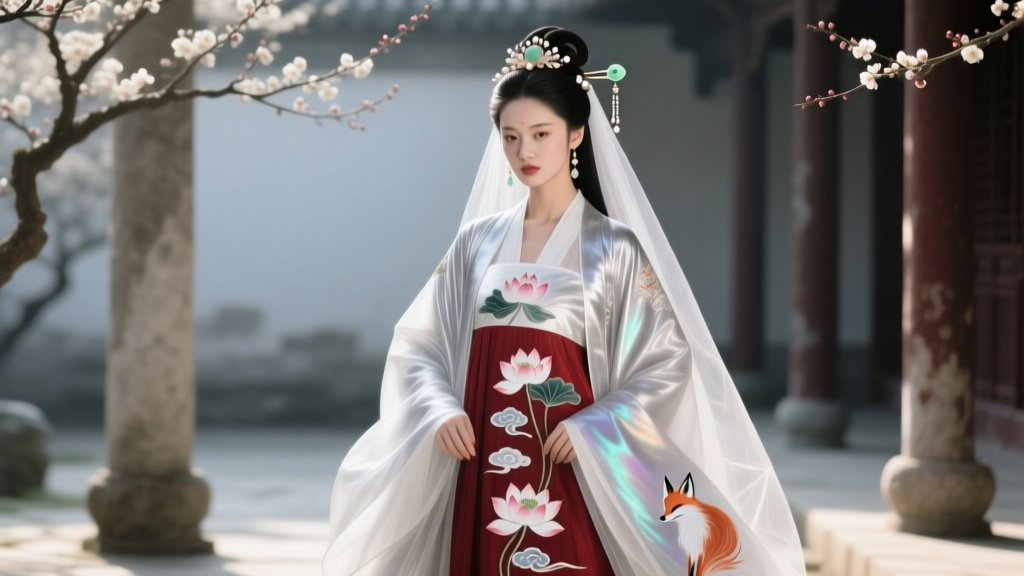
Owning a traditional Chinese dress for ladies—whether it is a tailored 1930s-style Qipao (Cheongsam), a flowing Hanfu Ruqun, or a structured Tang suit—is an investment in both cultural heritage and artisanal craftsmanship. Authentic garments sourced from artisan cooperatives in Suzhou or bespoke tailors in Shanghai can range from $250 for high-quality machine-embroidered pieces to over $3,000 for hand-woven silk brocades featuring traditional Su Xiu (Suzhou embroidery). Proper care is not merely about aesthetics; it is about preserving the structural integrity of protein-based fibers and centuries-old dyeing techniques.
Silk, the foundational textile of Chinese dressmaking, is a protein fiber composed of fibroin and sericin. Unlike plant-based cellulose fibers (like cotton or linen), silk is highly sensitive to alkaline environments, UV radiation, and excessive heat. Exposure to standard alkaline laundry detergents strips the sericin, leading to fiber degradation, loss of luster, and eventual tearing. Understanding the specific material composition of your garment is the critical first step in establishing a lifelong maintenance protocol.
Comprehensive Care Matrix for Traditional Garments
Different regional textiles demand vastly different care routines. Below is a specialized matrix detailing the maintenance requirements for the most common fabrics used in traditional Chinese womenswear.
| Fabric Type | Garment Examples | Washing Protocol | Ironing Temperature | Storage Method |
|---|---|---|---|---|
| Mulberry Silk Charmeuse | Summer Qipao, Hanfu inner layers | Hand wash cold (pH neutral) or Dry Clean | Low (110°C) with pressing cloth | Roll or fold with acid-free tissue |
| Silk Brocade (Zhuanghua) | Winter Qipao, Mamianqun, Ceremonial Hanfu | Dry Clean Only (specialist) | Low steam, avoid direct contact | Hang on padded hangers or fold flat |
| Xiangyunsha (Gambiered Silk) | Heritage Qipao, Scholar robes | Spot clean or gentle hand wash (no soaking) | Cool iron on reverse side | Fold flat, keep away from high humidity |
| Cotton/Linen Blends | Modern Tang suits, everyday Ruqun | Machine wash cold (gentle cycle, mesh bag) | Medium-High (150°C) with steam | Hang or fold normally |
Washing Protocols: Hand-Washing vs. Professional Care
According to textile conservation guidelines from the Victoria and Albert Museum's conservation department, historical and delicate garments should rarely be subjected to the mechanical agitation of modern washing machines. For your Chinese dress for ladies, the choice between hand-washing and dry cleaning depends entirely on the garment's structure and dye stability.
The Hand-Washing Technique for Silk
If your garment is unlined charmeuse or lightweight crepe de chine, hand-washing is often safer than dry cleaning, provided you use the correct chemistry.
- Prep the Solution: Fill a clean basin with cold water (below 30°C). Add a few drops of pH-neutral silk wash or baby shampoo. Never use biological detergents or bleach.
- Submerge and Agitate: Submerge the garment and gently swirl it with your hands. Do not rub, twist, or wring the fabric, as wet silk is highly vulnerable to tensile stress.
- Rinse: Drain the soapy water and refill with cold water. Repeat until the water runs clear.
- Moisture Removal: Press the garment gently against the side of the basin to remove excess water. Roll it in a clean, dry microfiber towel to absorb moisture. Never wring.
The Xiangyunsha Exception
Xiangyunsha, or gambiered Canton gauze, is a highly prized heritage silk dyed with the juice of the Shoulang plant and coated in iron-rich river mud. This complex chemical reaction creates a unique, water-resistant, rustling fabric. Never soak Xiangyunsha. The mud coating can degrade in prolonged water exposure. Spot clean only with a damp cloth, or consult a specialist conservator familiar with Cantonese textile heritage.
When to Choose Professional Dry Cleaning
Structured garments, such as heavily lined Qipaos with internal interfacing, or Hanfu skirts featuring metallic thread embroidery (Zhenjin), must be dry cleaned. However, standard perchloroethylene (perc) solvents can sometimes be too harsh for natural dyes. Seek out a dry cleaner experienced in handling bridal or theatrical garments, and explicitly point out any delicate Pankou (frog buttons) or metallic embroidery so they can be protected with foil or specialized padding during the cleaning cycle.
Preserving Structural Elements: Pleats, Slits, and Pankou
The architecture of a Chinese dress for ladies is just as important as the fabric. Maintaining these structural elements requires specialized attention during the drying and ironing phases.
Maintaining the Mamianqun Pleats
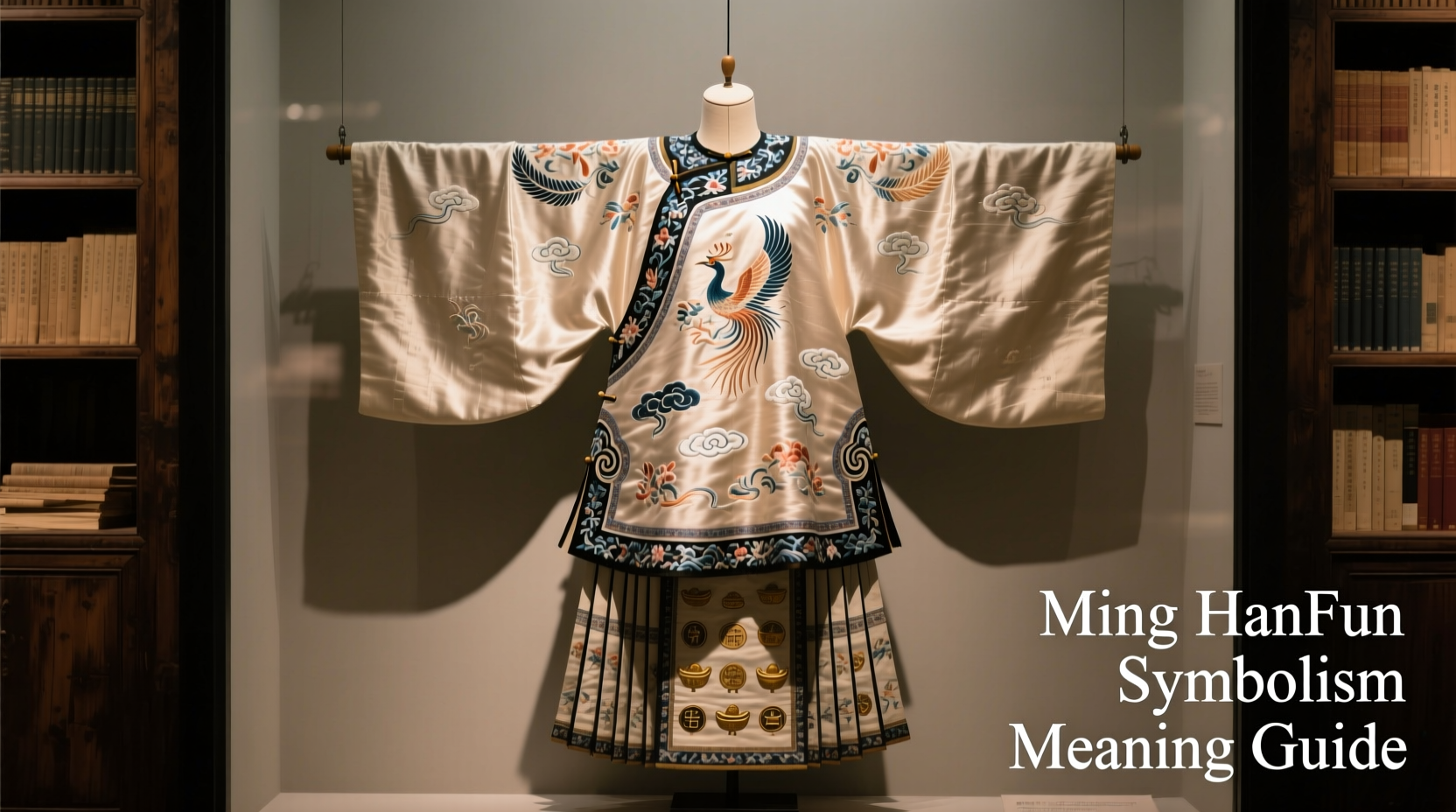
The Mamianqun (horse-face skirt) is a staple of Ming and Qing dynasty Hanfu revival, characterized by its flat front and back panels with intricately knife-pleated sides. If washed, the pleats will naturally drop. To restore them, the skirt must be laid flat on an ironing board while slightly damp. Each pleat must be manually folded back into its original crease, secured with rust-proof pins or heavy glass paperweights, and pressed with a low-heat steam iron using a cotton pressing cloth. Never hang a wet Mamianqun, as the weight of the water will permanently stretch the silk waistband and distort the pleat alignment.
Caring for Pankou (Frog Buttons)
Pankou are the intricate knotted buttons that fasten traditional Qipaos and Tang suits. They are often made from the same silk as the dress, stiffened with wire or cotton cord. When ironing the collar or placket, never press the iron directly over the Pankou. The heat will flatten the knots, and the internal wire (if present) can scorch the surrounding silk. Iron carefully around the knots, using the tip of the iron or a tailor's ham to navigate the 3D texture.
Archival Storage and Moth Prevention
Proper storage is vital for preventing the yellowing of white silks and the permanent creasing of heavy brocades. The China National Silk Museum in Hangzhou utilizes strict climate control to preserve ancient textiles, principles which can be adapted for home archival storage.
- Avoid Wire and Plastic Hangers: Wire hangers will create permanent 'shoulder horns' on a Qipao, while plastic hangers can off-gas chemicals that degrade silk over time. Use wide, wooden hangers wrapped in unbleached cotton muslin or padded with acid-free tissue paper.
- The Rolling Method: For heavily embroidered Hanfu tops or delicate silk wraps, hanging can cause the warp threads to stretch. Instead, roll the garment around an acid-free cardboard tube, interleaving the fabric with unbuffered, acid-free tissue paper to prevent creasing and dye transfer.
- Moth Prevention Without Chemicals: Traditional mothballs (naphthalene or paradichlorobenzene) are catastrophic for silk; the fumes can alter the dye and weaken the protein fibers. Instead, use natural alternatives like cedar wood blocks, dried lavender sachets, or sweet wormwood (Artemisia annua), which has been used in Chinese apothecary traditions for centuries to repel insects. Ensure these natural repellents do not directly touch the silk to prevent oil stains.
- Climate Control: Store garments in a cool, dark environment with a relative humidity of 45-55%. High humidity promotes mold growth on organic dyes, while excessively dry air makes silk fibers brittle.
Cultural Respect and the Living Tradition
Caring for a Chinese dress for ladies is an act of cultural preservation. These garments are not static museum relics; they are living traditions worn during Lunar New Year, weddings, tea ceremonies, and daily life by millions of women globally. Institutions like the Metropolitan Museum of Art's Costume Institute have extensively documented the evolution of the Qipao from Qing dynasty Manchu robes to the modern, body-conscious silhouettes of 1930s Shanghai, highlighting the garment's dynamic history.
When your garment requires repair—whether a torn slit, a missing Pankou knot, or frayed embroidery—seek out tailors who specialize in traditional Chinese garments. Modern alterations can easily disrupt the historical proportions and cultural integrity of the dress. By investing time in the meticulous care, cleaning, and archival storage of your garments, you ensure that these masterpieces of Asian textile art can be passed down as pristine heirlooms for generations to come.