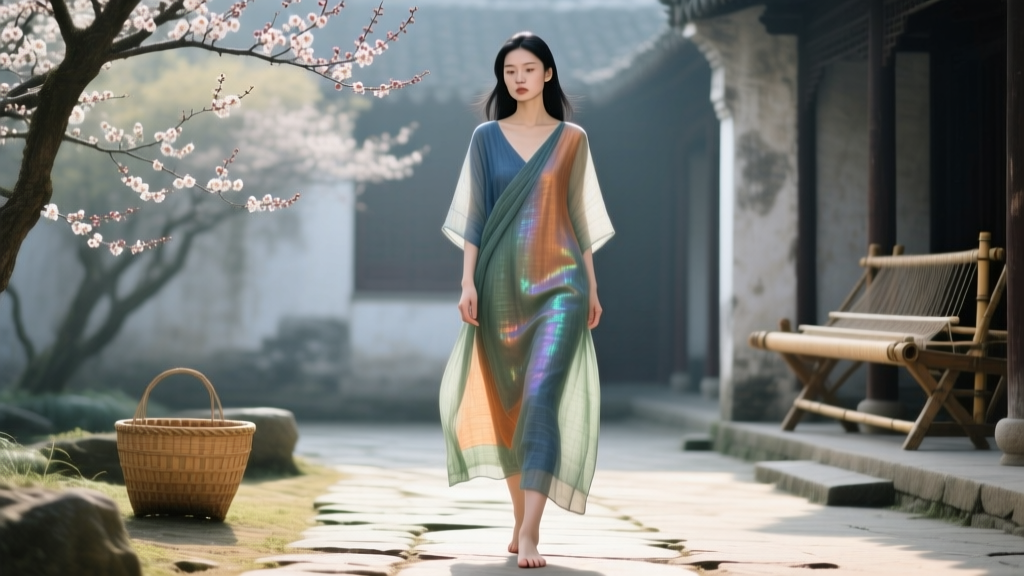
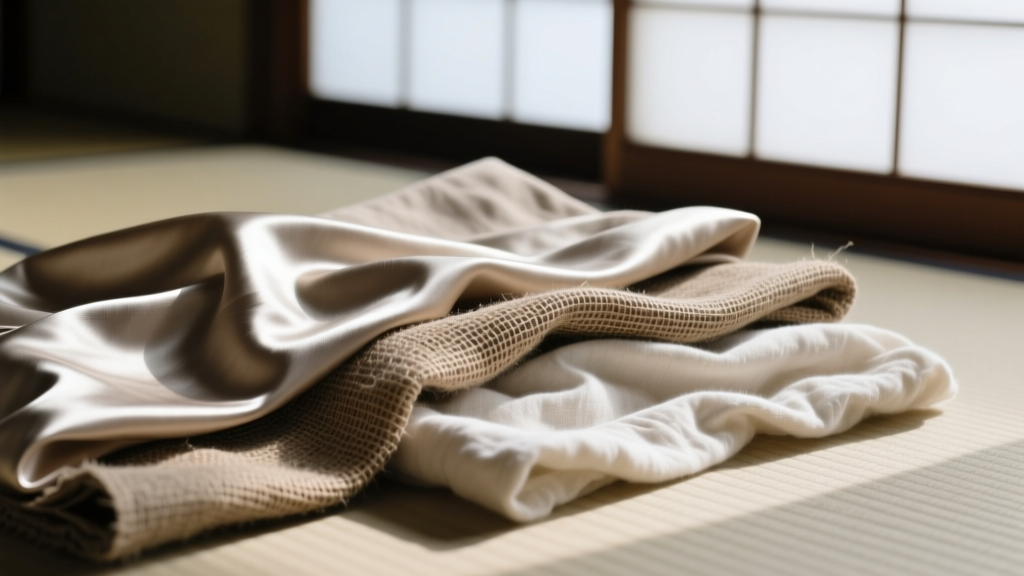
Buying Authentic Chinese Costumes & Hanfu: 2026 Guide

Navigating the Search for Authentic Chinese Costumes
When global consumers and cultural enthusiasts search for "Chinese costumes," the digital marketplace often blurs the line between theatrical stage wear, mass-produced fast-fashion apparel, and profound historical garments. As the global appreciation for East Asian sartorial heritage accelerates in 2026, it is vital to distinguish between a theatrical "costume" (xifu) and living, authentic traditional dress. Whether you are seeking a flowing Hanfu for cultural festivals, a bespoke silk Qipao for formal events, or heirloom bridal wear, understanding construction, fabric composition, and regional tailoring traditions is essential.
This comprehensive buying guide moves beyond generic souvenir shops, directing you toward authentic artisans, specialized boutiques, and historical silhouettes that honor the deep legacy of Chinese textile arts.
Decoding Terminology: Costumes vs. Living Garments
Before making a purchase, buyers must understand the semantic and cultural weight of the garments they are acquiring. According to the Victoria and Albert Museum's Asian Collections, historical Chinese dress is defined by intricate flat-cutting techniques, symbolic embroidery, and specific regional weaving methods that mass-market "costumes" entirely ignore.
- Hanfu (汉服): The historical dress of the Han Chinese, spanning from the Yellow Emperor era to the early Qing dynasty (pre-17th century). Characterized by cross-collars, wide sleeves, and sash ties.
- Qipao / Cheongsam (旗袍): A form-fitting, one-piece dress that evolved in 1920s Shanghai, blending traditional Manchu elements with Western darting and tailoring.
- Qungua / Xiuhefu (裙褂 / 秀禾服): Highly embroidered two-piece bridal ensembles rooted in Qing dynasty traditions, heavily favored in modern Chinese weddings.
The Hanfu Revival: Sourcing Historical Silhouettes
The modern Hanfu movement has transformed historical recreation into a multi-billion dollar living fashion industry. Authentic Hanfu relies on traditional flat-pattern cutting, meaning the fabric is cut in straight lines without Western darts, allowing the garment to drape naturally according to the wearer's body.
Ming Dynasty Aoqun and the Mamianqun
One of the most sought-after garments for buyers is the Mamianqun (horse-face skirt). Authentic versions feature two overlapping trapezoidal panels with deep, structured knife pleats that remain flat when standing but fan out beautifully in motion. When shopping, look for brands that utilize traditional brocade weaving rather than printed polyester. Brands like Minghuatang are renowned for museum-grade Ming dynasty replicas, utilizing heavy silk-blend brocades and historically accurate motifs. Expect to pay between $120 and $350 USD for a high-quality, authentic Mamianqun and matching Ao (jacket).
Song Dynasty Minimalism
For everyday wear, the Song dynasty Beizi (a long, open-front coat) and Baixie pleated skirts offer a minimalist, elegant silhouette. Authentic pieces are crafted from lightweight linen, raw silk, or high-grade cotton, focusing on subtle woven textures rather than loud embroidery.
Tailored Qipaos: Investing in Bespoke Silk
While you can find off-the-rack Qipaos globally, a true Qipao is a marvel of bespoke engineering. The Metropolitan Museum of Art's Department of Asian Art frequently highlights the Qipao's evolution as a masterclass in 20th-century sartorial modernization. A bespoke Qipao requires up to 20 precise body measurements, ensuring the high mandarin collar (yingzi) sits flush against the neck without choking, and the side slits allow for fluid movement.
The Magic of Xiangyunsha (Gambiered Canton Gauze)
If you are investing in a luxury Qipao, seek out Xiangyunsha silk. This UNESCO-recognized intangible cultural heritage fabric from Guangdong province undergoes a grueling 30-step dyeing process. The silk is soaked in the tannin-rich juice of the wild yam, spread on grass to dry, and then coated with iron-rich river mud. The chemical reaction creates a distinctive rustling sound, a water-resistant finish, and a beautiful dual-toned appearance (dark brown on one side, earthy ochre on the other). Authentic Xiangyunsha Qipaos start around $600 USD and can exceed $2,500 USD for bespoke tailoring with hand-rolled edges and intricate pankou (knotted frog closures).
Where to Commission a Qipao
For authentic tailoring, buyers should look to established houses in Hong Kong, such as Linva Tailor, or specialized ateliers in Shanghai's former French Concession. These tailors preserve the traditional pianjin (piping) techniques that define the garment's structural integrity.
Bridal Xiuhefu and Qungua: Heirloom Wedding Attire
Chinese bridal wear is an investment in heirloom craftsmanship. The Qungua consists of a jacket and a long skirt, heavily embroidered with gold and silver metallic threads (often real silver-wrapped silk threads in vintage pieces) depicting dragons, phoenixes, and peonies.
The value of a Qungua is determined by its embroidery density, known as Xiuhe density:
- Xiao Wu Fu (50% density): More base fabric is visible; priced between $400 - $800 USD.
- Da Wu Fu (80% density): Dense, luxurious embroidery; priced between $1,000 - $2,500 USD.
- Gua Huang (100% density): The base red silk is entirely obscured by gold and silver thread. These are masterworks taking over a year to hand-embroider, often rented or purchased for $5,000 to $15,000+ USD.
For buyers seeking authenticity, avoid machine-embroidered polyester replicas sold on generic e-commerce sites. Seek out specialized bridal boutiques in Guangzhou or reputable overseas vendors who source directly from Chaozhou embroidery cooperatives.
2026 Sourcing Directory and Price Matrix
To help buyers navigate the market, the table below outlines authentic garment types, their primary use cases, and realistic price ranges for genuine, culturally respectful pieces.
| Garment Type | Native Term | Best Use Case | Authentic Price Range (USD) | Recommended Sourcing |
|---|---|---|---|---|
| Ming Dynasty Jacket & Skirt | Mingzhi Aoqun | Festivals, Formal Cultural Events | $150 - $400 | Specialized Taobao Boutiques (e.g., Minghuatang) |
| Horse-Face Skirt | Mamianqun | Everyday Wear, Office, Streetwear | $60 - $250 | Independent Hanfu Brands, Global Hanfu Shippers |
| 1920s Shanghai Qipao | Qipao / Cheongsam | Gala, Evening Wear, Weddings | $300 - $2,500+ | Bespoke Tailors in HK/Shanghai, Xiangyunsha Artisans |
| Bridal Jacket & Skirt | Qungua / Xiuhefu | Traditional Wedding Ceremonies | $800 - $15,000+ | Guangzhou Bridal Markets, Chaozhou Embroidery Co-ops |
| Tang Dynasty Chest-High Skirt | Qixiong Ruqun | Summer Wear, Photography, Dance | $45 - $150 | Song Dynasty/Sui-Tang specialized online retailers |
Red Flags: Avoiding the Fast-Fashion "Costume" Traps
When buying online, buyers must be vigilant against culturally inaccurate garments that reduce profound traditions to caricatures. Watch out for these critical red flags:
1. The Collar Direction (Jiaoling Youren)
Historically, Han Chinese garments feature a cross-collar that wraps left over right (Jiaoling Youren). The right side of the collar should be tucked under the left lapel. A right-over-left collar was historically reserved for the deceased or certain non-Han ethnic groups. If a vendor sells a "Hanfu" with a right-over-left collar, it is a theatrical costume or a factory error, not an authentic garment.
2. Invisible Zippers in Hanfu
Authentic Hanfu relies entirely on ties, sashes, and structural wrapping. If a dress features a back zipper and buttons mimicking a cross-collar, it is a modern costume masquerading as history.
3. Printed "Embroidery"
Mass-market sellers often use digital sublimation printing to mimic the look of intricate Suzhou or Shu embroidery. Always check macro photos of the fabric. Authentic embroidery will have a distinct texture, raised threads, and a messy but structured thread network on the reverse side of the fabric.
"True appreciation of Chinese dress requires looking past the superficial aesthetics of the 'costume' and understanding the engineering of the flat-cut pattern, the poetry of the woven motifs, and the living culture of the artisans who keep these techniques alive today." — Curatorial notes on East Asian Textile Preservation.
Cultural Etiquette and Final Thoughts
Purchasing authentic Chinese garments is an act of cultural participation. The China National Silk Museum in Hangzhou continues to champion the preservation of these weaving techniques, reminding us that these garments are living artifacts. When wearing Hanfu or a Qipao, take the time to learn the proper way to tie the sashes, style the hair, and respect the formality of the occasion. By investing in authentic, ethically sourced garments rather than cheap theatrical costumes, buyers directly support the artisans, weavers, and tailors who are ensuring that China's magnificent sartorial heritage thrives in the modern era.