Tang Dynasty Dress: A Beginner's Guide to Hanfu History

The Golden Age of Chinese Fashion: Understanding the Tang Dynasty Dress
When exploring the rich tapestry of Asian traditional garments, few eras capture the imagination quite like the Tang Dynasty (618–907 CE). Often referred to as the golden age of Chinese arts and culture, the Tang era was a period of unprecedented cosmopolitanism, wealth, and Silk Road trade. For beginners stepping into the world of Hanfu (traditional Han Chinese clothing), the Tang dynasty dress represents a fascinating departure from the more conservative silhouettes of later dynasties. It is characterized by bold colors, flowing fabrics, and a celebration of the female form.
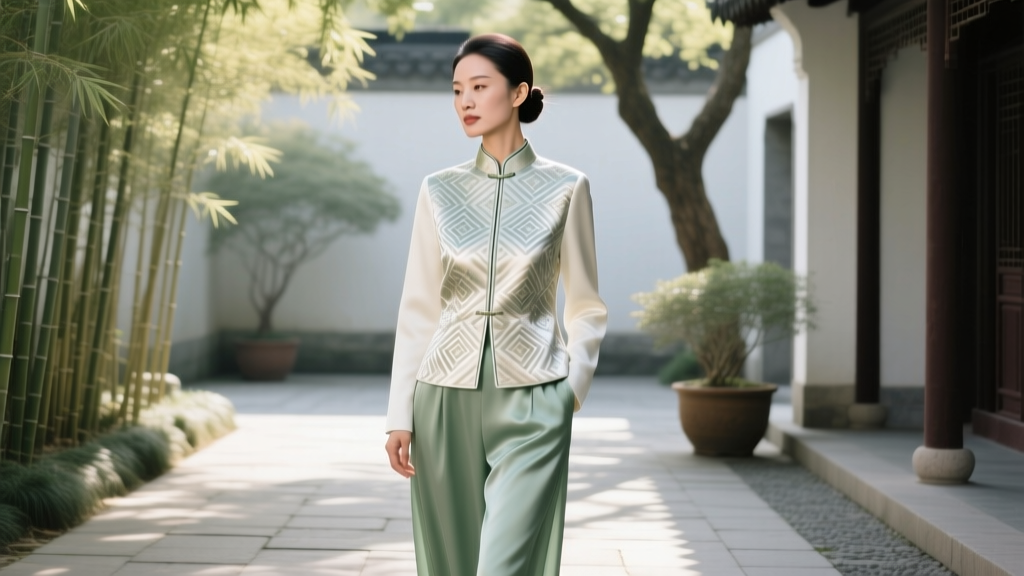
Before diving into the specifics, it is crucial to clear up a common modern misconception: the Tang dynasty dress is not the same as the modern 'Tang suit' (Tangzhuang). The modern Tang suit is a 20th-century garment derived from Qing Dynasty Manchu riding jackets. In contrast, authentic Tang Dynasty clothing belongs to the Hanfu tradition, rooted in the indigenous sartorial practices of the Han people, heavily influenced by the vibrant cultural exchanges of ancient Chang'an (modern-day Xi'an).
Anatomy of the Tang Wardrobe: Core Garments Explained
The Tang wardrobe was diverse, but a few key garments define the era's iconic silhouette. Understanding these native terms is essential for any beginner looking to study or purchase historical reproductions.
Qixiong Ruqun (Chest-High Skirt Ensemble)
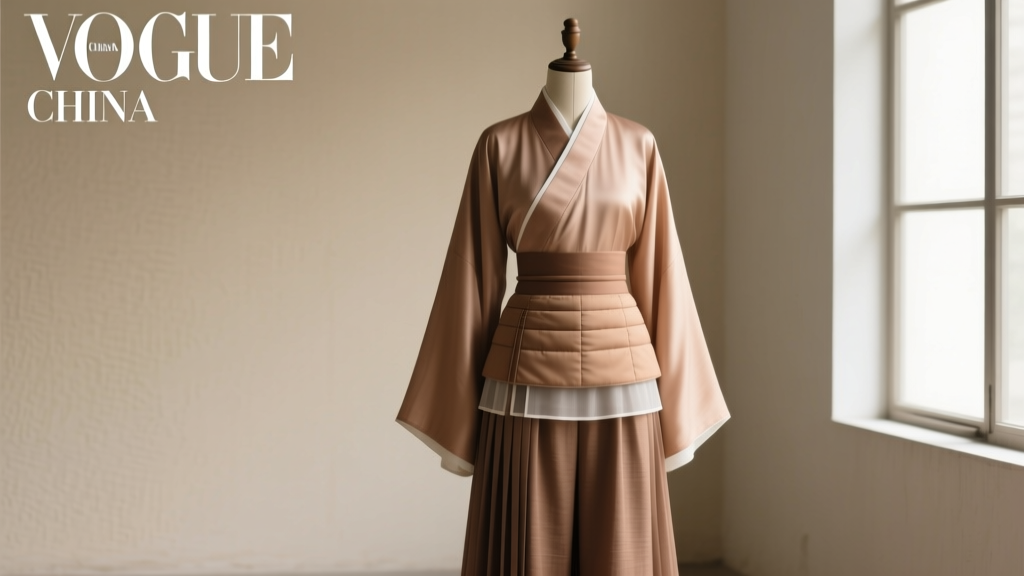
The most recognizable Tang dynasty dress for women is the Qixiong Ruqun (齐胸襦裙). Unlike later Hanfu styles that tie at the natural waist, the Qixiong skirt is tied high, just above the bust or at the armpit level. This creates an elongated, flowing silhouette that visually lengthens the body. The ensemble typically consists of a Shan (衫), a lightweight, short-sleeved or long-sleeved upper garment, and the Qun (裙), a voluminous, floor-sweeping pleated skirt. The high waistline allowed for a graceful drape of silk that moved fluidly with the wearer.
Banbi (Half-Sleeve Jacket) and Pibo (Silk Shawl)
Layering was a hallmark of Tang fashion. The Banbi (半臂) is a short-sleeved, waist-length jacket worn over the upper garment. It adds structural contrast and was often made of heavily brocaded silk. Complementing this was the Pibo (披帛), a long, sheer silk scarf draped over the shoulders and wrapped around the arms. Originating from the iconography of Buddhist deities and Central Asian dancers, the Pibo became a secular fashion staple, adding an ethereal, floating quality to the wearer's movements.
Yuanlingpao (Round-Collared Robe)
The Tang Dynasty was remarkably progressive regarding gender norms in fashion. Women frequently adopted Hufu (胡服), or 'foreign dress' from nomadic Turkic and Sogdian cultures. The Yuanlingpao (圆领袍) is a round-collared robe with narrow sleeves, originally designed for horseback riding. Tang noblewomen would wear these robes paired with riding boots and masculine headwear, reflecting the era's adventurous, equestrian spirit.
'The Tang capital of Chang'an was a melting pot of over a million people, where Persian merchants, Sogdian entertainers, and Japanese scholars mingled. This diversity is directly reflected in the textile patterns and garment cuts of the era.' — Metropolitan Museum of Art, Heilbrunn Timeline of Art History
Fabric, Motifs, and the Silk Road Influence
To truly appreciate a Tang dynasty dress, one must examine the textiles. The China National Silk Museum notes that Tang weavers mastered complex techniques like samite (a weft-faced compound twill) and damask. The Silk Road introduced new dyes and motifs to Chinese artisans.
- Baoxianghua (宝相花): A stylized, mythical 'jeweled flower' motif combining lotus, peony, and chrysanthemum elements, symbolizing purity and prosperity.
- Paired Ducks and Geese: Often woven inside pearl roundels (a direct borrowing from Sasanian Persian textile designs), symbolizing marital fidelity and harmony.
- Hunting Scenes: Influenced by Central Asian nomads, featuring horseback archers and cheetahs, popular in round-collared robes.
Tang Dynasty Dress vs. Other Hanfu Eras
Beginners often confuse the silhouettes of different Chinese dynasties. Here is a comparative guide to help you identify the unique characteristics of the Tang era against its successors.
| Dynasty | Defining Silhouette | Collar & Waistline | Cultural Vibe & Aesthetic |
|---|---|---|---|
| Tang (618–907) | Voluminous, flowing, elongated | Cross-collar, chest-high waist ties | Bold, romantic, cosmopolitan, vibrant colors |
| Song (960–1279) | Straight, slender, modest | Cross-collar, natural waist, long narrow skirts | Minimalist, elegant, intellectual, muted tones |
| Ming (1368–1644) | Structured, A-line, layered | Standing collars, button fastenings, horse-face skirts | Regal, highly tailored, heavy brocades, formal |
A Beginner’s Guide to Buying Modern Tang-Style Hanfu
The modern Hanfu movement (Hanfu Yundong) has sparked a massive revival, making it easier than ever to purchase historically inspired garments. However, navigating the market requires an understanding of fabric composition and price tiers. For authoritative insights on historical textile reconstruction, the Victoria and Albert Museum's Chinese textile archives serve as an excellent benchmark for authentic weave structures.
Price Ranges and What to Expect
When shopping for a Tang dynasty dress online (via specialized Hanfu retailers or platforms like Taobao), you will encounter three main tiers:
- Entry-Level ($30 – $60 USD / 200 – 400 RMB): These garments are typically made from polyester or chiffon. The motifs are digitally printed rather than woven. While they lack historical accuracy in drape and breathability, they are excellent for beginners, casual wear, or photography.
- Mid-Tier ($80 – $150 USD / 600 – 1000 RMB): At this level, you will find viscose, cotton-linen blends, and jacquard-woven synthetics. The patterns are woven into the fabric, offering a much better drape and a more authentic visual texture. This is the sweet spot for everyday Hanfu enthusiasts.
- High-End & Artisan ($200 – $600+ USD / 1500 – 4000+ RMB): Reserved for serious collectors and formal events. These pieces utilize 100% mulberry silk, silk brocade, and real gold-thread embroidery. Brands in this tier often consult museum archives to ensure the cut, seam placement, and dye methods align with Tang-era archaeological findings.
Sizing and Styling Tips for Modern Wearers
Traditional Tang garments do not rely on modern darts or zippers; they are flat-cut and rely entirely on ties and wrapping. When buying, pay attention to the Qun (skirt) length. Authentic Tang skirts are meant to pool slightly on the floor or graze the instep. If you are 5'4" (162cm), look for a skirt length of at least 105cm to 110cm to achieve the correct chest-tied proportions. Pair your Qixiong Ruqun with traditional cloud-toe shoes (Yuntou Xie) and a high bun adorned with a Zanzi (hairpin) to complete the historical aesthetic.
Cultural Respect and Wearing Protocols
Wearing a Tang dynasty dress is not merely an act of cosplay; it is an engagement with a living cultural heritage. The most critical rule in Hanfu is the collar direction. Always ensure the left side of the collar crosses over the right side (Jiaoling Youren). In traditional Chinese cosmology, the left represents the living and the yang energy, while the right represents the deceased and the yin energy. Wearing the right over the left is strictly reserved for burial garments and is considered highly inauspicious.
Furthermore, approach the garment with an understanding of its historical weight. The Tang dynasty dress represents an era where women enjoyed unprecedented social freedom, engaging in polo, poetry, and commerce. By learning the correct terminology—distinguishing a Shan from a Ru, or a Pibo from a standard shawl—you honor the artisans of the past and the modern craftspeople working tirelessly to keep this golden age of Asian fashion alive.