White Hanfu: A Beginner's Guide to Elegance and History

The Allure of the White Hanfu: Beyond the Screen
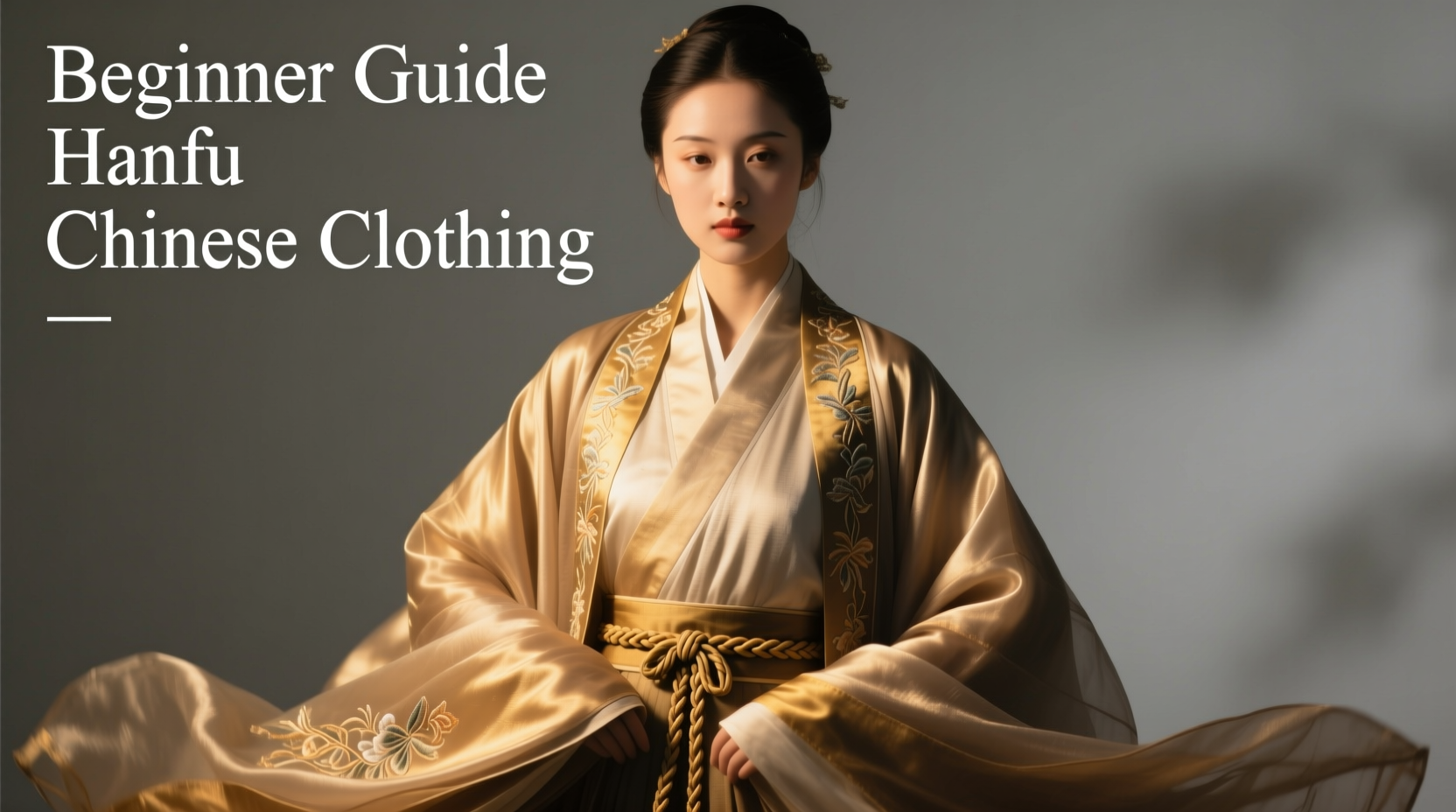
For many newcomers to traditional Chinese clothing, the white hanfu serves as the ultimate gateway. Popularized by the sweeping, ethereal aesthetics of xianxia (immortal hero) television dramas and the global Hanfu Movement (Hanfu Yundong), white garments evoke a sense of scholarly purity, celestial grace, and minimalist elegance. However, stepping into the world of Hanfu requires more than just purchasing a beautiful white dress; it demands an understanding of historical silhouettes, textile composition, and profound cultural protocols.
This beginner's guide is designed to demystify the white hanfu. Whether you are attending a cultural festival, participating in a traditional tea ceremony, or simply curating a historically inspired wardrobe, understanding the nuances of white textiles in Chinese history will elevate your appreciation and ensure you wear these garments with the respect they command.
Decoding the Shades: Is Pure White Culturally Appropriate?
A common misconception among Western enthusiasts is that wearing white in Chinese culture is strictly taboo, reserved exclusively for mourning and funerals. While it is true that unadorned, coarse white hemp (sang fu) is the traditional fabric of mourning, the broader historical context of white textiles is far more nuanced and remarkably positive.
Historically, the Xia Dynasty (c. 2070–1600 BCE) revered white as a sacred color, associating it with the metal element and the autumn season. Later, during the Ming Dynasty (1368–1644 CE), scholars and literati frequently wore pristine white linen and silk robes to signify moral integrity, detachment from worldly corruption, and scholarly refinement. According to archival textile research preserved by the China National Silk Museum, the mastery of sericulture allowed artisans to bleach and weave mulberry silk into brilliant, luminous whites that were highly prized by the elite, entirely separate from funerary customs.
Today, the modern Hanfu community embraces white in all its variations—from stark snow white to warm ivory, pearl, and moonlight silver. When styled with appropriate accessories and layered correctly, a white hanfu is a celebration of traditional aesthetics, not a symbol of grief.
Essential Silhouettes for the First-Time Buyer
When shopping for your first white hanfu, you will encounter various historical cuts. Choosing the right silhouette depends on your body type, the occasion, and the historical era you wish to emulate. Below are the two most accessible and culturally significant styles for beginners.
1. Jiaoling Youren Ruqun (交领右衽襦裙)
The Jiaoling Youren (crossed collar, right lapel) is the foundational DNA of Hanfu, recognized globally as the hallmark of traditional Chinese dress. As noted in the structural analyses of Asian textiles by the Metropolitan Museum of Art, the crossed-collar design has remained remarkably continuous for over two millennia.
- The Golden Rule: The left side of the collar must always cross over the right side, securing on the wearer's right hip. This is known as youren. Reversing this (left lapel) is historically reserved for the deceased or certain non-Han ethnic groups and is a severe cultural faux pas.
- The Look: A white crossed-collar top (ru or shan) paired with a pleated or A-line skirt (qun). It is grounded, elegant, and suitable for almost any formal or semi-formal occasion.
2. Qixiong Shanqun (齐胸衫裙)
Originating in the Sui and Tang Dynasties (581–907 CE), the Qixiong Shanqun features a skirt tied high on the chest, just below the shoulders. This silhouette is incredibly popular for white hanfu because it maximizes the flowing, 'goddess-like' drape of the fabric.
- The Construction: It consists of a short-sleeved or long-sleeved top tucked into a voluminous, floor-sweeping skirt that is secured with long sashes over the bust.
- The Aesthetic: Often paired with a translucent white Daxiushan (large-sleeved sheer robe) worn over the shoulders, this style creates a layered, misty effect that embodies the Tang dynasty's love for romantic, voluminous silhouettes.
Fabric Composition and Drape: A Buyer's Matrix
The success of a white hanfu relies entirely on its textile. White fabric is unforgiving; it highlights the weave, the drape, and the quality of the dye. Below is a comparative matrix to help you select the right material for your climate and budget.
| Fabric Type | Historical Context | Drape & Breathability | Best Silhouette |
|---|---|---|---|
| Mulberry Silk (Sang蚕丝) | The pinnacle of Chinese luxury. Historically reserved for royalty and high-ranking officials. | Exceptional drape, luminous sheen, highly breathable but requires delicate hand-washing. | Ming Dynasty Aoqun, Tang Dynasty Daxiushan. |
| Ramie / Xia Bu (夏布) | Traditional 'summer cloth' woven from nettle fibers. Prized by Ming scholars for its crisp texture. | Stiff, structured, highly breathable. Softens beautifully with age and washing. | Crossed-collar Ruqun, scholar robes. |
| Tencel / Lyocell | A modern semi-synthetic cellulose fiber that mimics the drape of silk at a fraction of the cost. | Heavy, fluid drape, cool to the touch, resistant to wrinkling. | Qixiong Shanqun, Song Dynasty Beizi. |
| Polyester Chiffon | Modern synthetic. Widely used in entry-level Hanfu and cosplay. | Lightweight, sheer, floats in the wind. Low breathability in high heat. | Outer sheer robes, Xianxia styling. |
Navigating the Market: Price Tiers and Artisan Marks
The Hanfu market has exploded over the last decade, transitioning from niche theatrical costumers to a multi-billion-dollar fashion industry. When shopping online (primarily via platforms like Taobao, AliExpress, or dedicated Western Hanfu boutiques), you will encounter distinct price tiers. Understanding these will protect you from overpaying for synthetic garments disguised as silk.
Entry-Level ($35 – $75 USD)
At this tier, expect polyester blends, cotton-poly mixes, and basic chiffon. Brands in this category often utilize machine embroidery and standardized sizing. While the historical accuracy of the cut may be slightly compromised for modern convenience (such as adding hidden zippers or elastic waistbands), these are excellent for beginners testing their interest in the hobby.
Mid-Tier & Boutique ($90 – $200 USD)
This is the sweet spot for serious enthusiasts. Garments in this range feature authentic traditional tailoring (no zippers, flat-cut sleeves, proper seam allowances). You will find high-quality Tencel, linen-cotton blends, and intricate, multi-thread machine embroidery. Brands like Shisanyu and Zhongling often operate in or near this space, offering seasonal white collections that balance historical fidelity with modern wearability.
Artisan and High-End ($250 – $800+ USD)
As documented in the textile conservation archives of the Victoria and Albert Museum, traditional weaving techniques like Kesi (cut silk tapestry) and hand-loomed brocade require immense labor. High-end Hanfu brands utilize genuine mulberry silk, natural plant dyes, and hand-embroidered motifs. A white artisan hanfu at this level is an investment piece, often featuring hand-woven selvedge edges and custom-tailored proportions.
Styling and Etiquette: Wearing White with Respect
Wearing a white hanfu is an exercise in the traditional Chinese aesthetic concept of Liubai (留白)—the art of leaving empty space. Because the garment itself is unadorned by loud colors, your styling should focus on texture, subtle accents, and graceful movement.
- Layering: Never wear a white hanfu as a single, unlayered piece. Traditional dress relies on the interplay of inner garments (zhongyi) and outer robes. A white top should always reveal a sliver of a white or pale cream inner collar, creating depth.
- Hair and Accessories: Avoid overly flashy, neon-colored hairpins. Opt for carved white jade, mother-of-pearl, or oxidized silver Zan (hair sticks) and Buyao (step-shake ornaments). A simple white silk ribbon woven into a traditional braid complements the ethereal vibe perfectly.
- Footwear: While modern wearers often pair hanfu with clean white sneakers or Mary Janes for daily wear, traditional Yun Tou Xie (cloud-head shoes) in white or pale silver elevate the ensemble for formal events.
- Undergarments: White hanfu can be unforgiving under bright sunlight. Invest in high-quality, seamless, skin-toned undergarments. Avoid wearing white undergarments beneath white hanfu, as the contrasting shades of white will be visible through the silk or Tencel.
Curating Your First Wardrobe: Next Steps
Purchasing your first white hanfu is a deeply rewarding experience that connects you to thousands of years of Asian textile history. Begin with a versatile Jiaoling Youren Ruqun in a mid-tier Tencel or linen blend. This will allow you to practice the essential right-over-left wrapping technique, understand the mechanics of tying traditional sashes, and experience the meditative process of dressing in historical garments.
As you grow more comfortable, you can explore the sheer, voluminous layers of the Tang Dynasty or the structured, dignified lines of the Ming Dynasty. Remember that Hanfu is a living tradition. By approaching your purchase with cultural curiosity, respect for historical construction, and an eye for quality textiles, you become an active participant in the global preservation and celebration of Chinese sartorial heritage.