Band Collar vs Mandarin Collar: The Asian Event Guide

Decoding the Neckline: Band Collar vs Mandarin Collar Defined
When navigating the intricate world of Asian traditional garments for formal events, the neckline dictates the entire silhouette. The debate of band collar vs mandarin collar is a frequent point of confusion for wedding guests, grooms, and cultural gala attendees. While both feature a stand-up design without the fold-over lapels of Western dress shirts, their historical roots, structural anatomy, and cultural protocols are distinctly different.
The Mandarin collar is a structured, stiffened stand collar, typically ranging from 2.5 to 5 centimeters in height. Its edges are often slightly rounded and may meet precisely at the center front or overlap subtly. Historically rooted in the Qing Dynasty official robes, it frequently utilizes pankou (woven frog closures) or hidden snap buttons. Conversely, the band collar (often referred to as a Nehru collar in South Asian contexts) is generally softer, narrower (1.5 to 3 centimeters), and features straight edges that meet at the center, usually fastened with a single standard button or a fabric tie. Understanding these nuances is essential for selecting the appropriate garment for your next cultural event.
The Mandarin Collar in East and Southeast Asian Formalwear
The Mandarin collar is an iconic symbol of East and Southeast Asian sartorial elegance. Its evolution from imperial court dress to modern formalwear represents a fascinating intersection of history and contemporary fashion.
Chinese Tangzhuang and Changshan
The modern Mandarin collar traces its lineage to the yuanling (round collar) and the high, stiff collars of late Qing Dynasty bufu (official robes). According to the Metropolitan Museum of Art, Qing court dress was strictly codified, with the collar serving as a marker of rank and formality. Today, this collar is most prominently featured on the Tangzhuang (Tang Suit) and the Changshan (a long male gown).
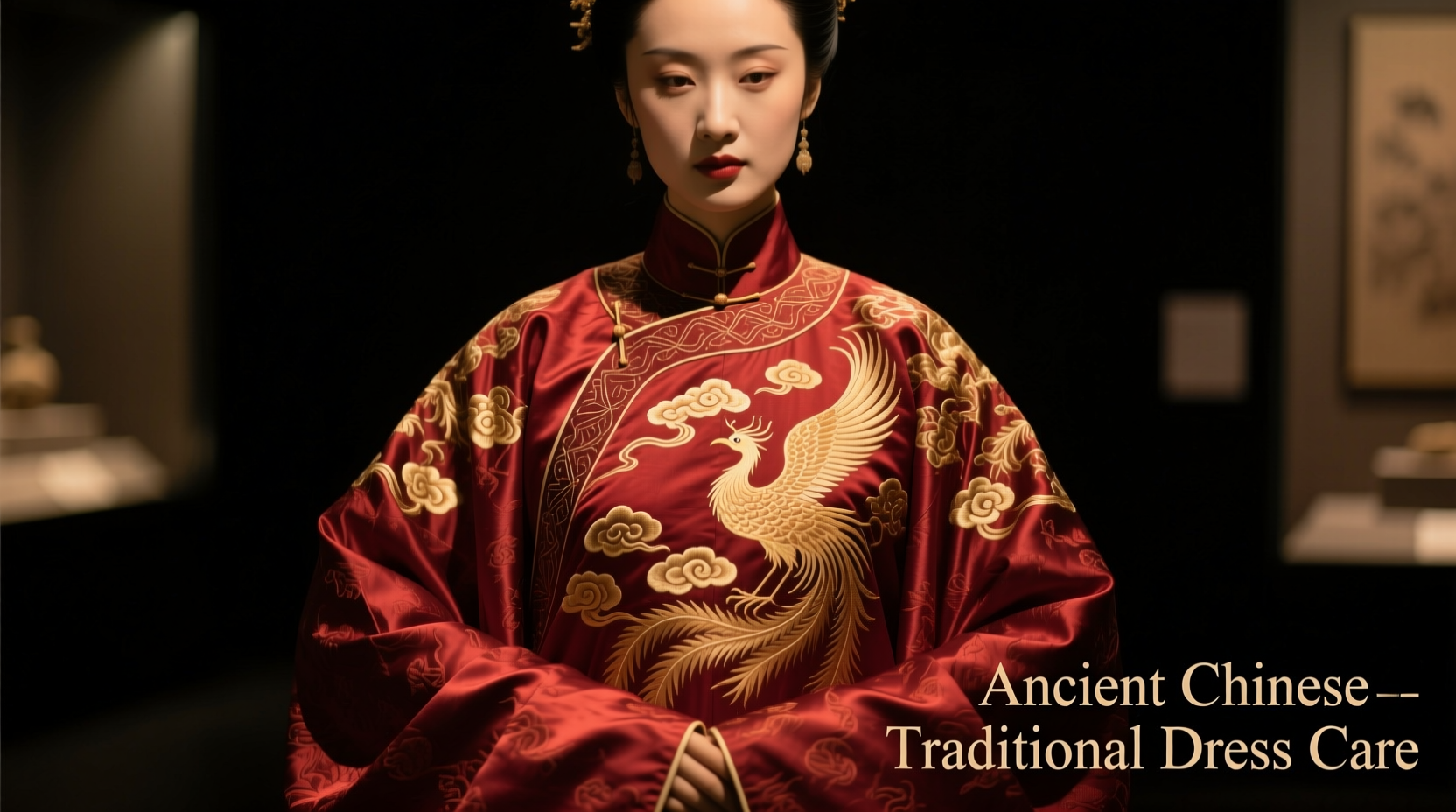
For a traditional Chinese tea ceremony or a Lunar New Year gala, a silk brocade Tangzhuang with a stiff Mandarin collar and authentic pankou knot closures is the gold standard. The collar must stand upright without buckling, requiring a high-quality fused interfacing. Off-the-rack versions in polyester blends start around $80 USD, but bespoke silk jacquard or raw silk pieces from heritage tailors in Shanghai or Hong Kong typically range from $450 to $1,200 USD.
The Vietnamese Áo Dài
In Vietnam, the Mandarin collar is the defining feature of the Áo Dài, the national garment worn by all genders for weddings, Tet (Lunar New Year), and formal diplomatic events. The modern high collar (often 3 to 4 cm) was popularized in the 1930s by the visionary designer Lemur Nguyen Cat Tuong, who blended traditional Vietnamese tunics with French structural tailoring. The collar of an Áo Dài is meticulously tailored to hug the neck, often fastening at the side or center with a hook-and-eye or a discreet toggle. Bespoke Áo Dài sets, including the flowing trousers, usually cost between $200 and $800 USD, depending on the intricacy of the silk embroidery.
The Band Collar’s South Asian Roots: Kurtas and Bandhgalas
While the Mandarin collar dominates East Asia, the band collar is the cornerstone of South Asian formalwear, offering a slightly more relaxed yet profoundly regal aesthetic.
The Nehru Jacket, Achkan, and Bandhgala
In India, Pakistan, and Bangladesh, the band collar is most famously seen on the Bandhgala (a formal evening jacket) and the Nehru Jacket (a sleeveless vest). These garments evolved from the Achkan and Sherwani, which were worn by Mughal nobility and later adopted by Indian royalty. The Victoria and Albert Museum notes that South Asian tailoring historically favored seamless, unstructured drapes, but the introduction of the structured band collar in the 19th century created a sharp, militaristic elegance that defines modern Indian menswear.
Unlike the rigid Mandarin collar, the South Asian band collar is designed to be slightly more forgiving, often crafted from wool gabardine, velvet, or raw silk. It fastens with a single button at the top, leaving a subtle, elegant 'V' gap at the throat, or buttons all the way up for a stricter profile. A high-quality wool Bandhgala from a renowned Delhi or Mumbai tailor will cost between $350 and $1,500 USD, making it a premier choice for Sangeet ceremonies and South Asian wedding receptions.
Event Matching Matrix: Which Collar for Which Occasion?
Selecting between the band collar and the Mandarin collar requires an understanding of the event's cultural context and formality level. Use the matrix below to guide your sartorial choices.
| Event Type | Recommended Collar | Ideal Garment | Fabric & Styling Notes |
|---|---|---|---|
| Chinese Tea Ceremony | Mandarin (Stiff, 3-4cm) | Tangzhuang / Changshan | Silk brocade or jacquard. Ensure authentic panitou closures. Red, gold, or deep navy. |
| Indian Sangeet / Reception | Band (Structured, 2-3cm) | Bandhgala / Nehru Jacket | Velvet for winter, raw silk or linen for summer. Pair with a pocket square and churidar trousers. |
| Vietnamese Wedding (Áo Dài) | Mandarin (High, 4-5cm) | Áo Dài | Heavy silk crepe or organza. Intricate metallic thread embroidery. Must include matching wide-leg trousers. |
| Pan-Asian Fusion Gala | Band (Soft, 1.5-2cm) | Modern Linen Kurta / Fusion Jacket | Breathable linen or cotton-silk blends. Minimalist aesthetic, standard buttons. Ideal for warm-weather outdoor events. |
Sourcing, Tailoring, and the Importance of the Neck Gap
The most common mistake attendees make when wearing either collar is improper neck measurement. Because these collars stand upright, a poorly fitted garment will either choke the wearer or gape awkwardly at the throat.
- The Mandarin Fit: The collar should sit flush against the neck but allow for one finger to slide comfortably between the fabric and your skin. If the collar overlaps at the center, the underlying structure must be heavily interfaced to prevent the edges from curling outward after an hour of wear.
- The Band Fit: The band collar should sit slightly lower on the neck than the Mandarin. When fastening the top button, ensure the fabric does not pull across the collarbone. For a contemporary, relaxed look at a daytime garden wedding, leaving the top button undone with a subtle, unstructured band collar is highly acceptable.
- Undershirts: Never wear a standard Western dress shirt with a visible fold-over collar beneath a Mandarin or Band collar jacket. Opt for a high-quality, collarless V-neck or scoop-neck undershirt in a skin-matching tone to absorb moisture without disrupting the neckline's clean lines.
Cultural Etiquette and Modern Protocol
When participating in cultural events, garments are not costumes; they are living traditions that carry deep historical weight. The Smithsonian National Museum of Asian Art frequently highlights how traditional textiles and silhouettes serve as markers of identity, heritage, and respect.
'Wearing a Tangzhuang or a Bandhgala is an act of cultural participation. The key to respect lies in the details: avoiding cheap, mass-produced synthetic imitations, honoring the traditional closures like the panitou, and understanding the specific regional context of the event you are attending.'
For non-Asian guests attending an Asian wedding, wearing a band collar or Mandarin collar garment is generally viewed as a respectful nod to the host's culture, provided it is done with sartorial integrity. Avoid mixing highly formal traditional elements (like a heavily embroidered red silk Tang suit) with casual Western items like denim or sneakers. Instead, pair your collarless jacket with tailored dress trousers, silk-blend churidars, or formal loafers.
Ultimately, the choice between the band collar vs mandarin collar comes down to the specific cultural heritage being celebrated. The Mandarin collar offers a rigid, imperial elegance perfect for East Asian ceremonies, while the band collar provides a regal, approachable sophistication ideal for South Asian festivities. By understanding the anatomy, history, and tailoring requirements of these necklines, you ensure your presence at any cultural event is both stylish and profoundly respectful.