Chinese Traditional Dress: Care & Maintenance
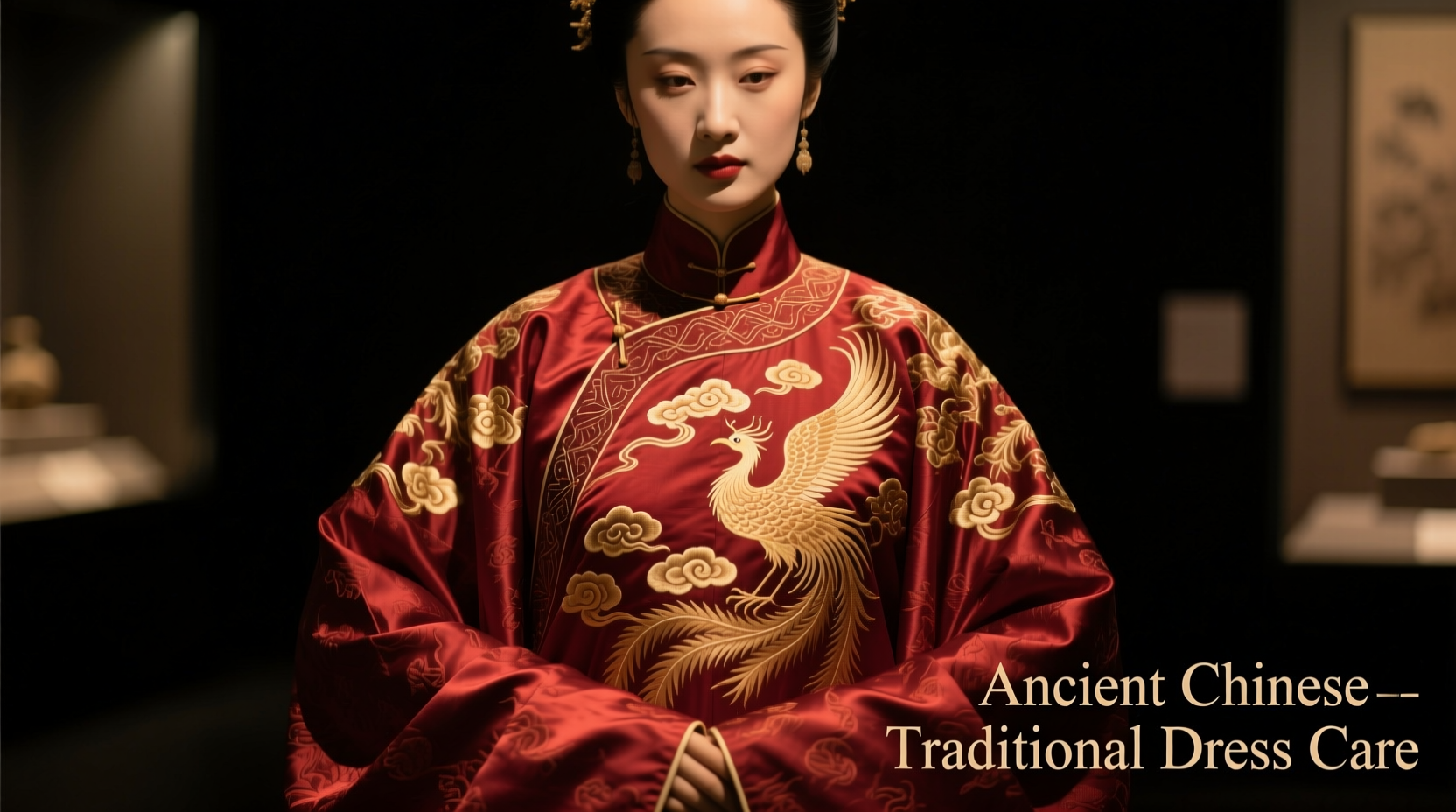
The Anatomy of Hanfu: Why Ancient Chinese Traditional Dress Demands Special Care

Owning an ancient Chinese traditional dress—whether a meticulously reproduced Ming dynasty Mamianqun (horse-face skirt) or a flowing Tang dynasty Ruqun (blouse and skirt ensemble)—is an investment in living history. Unlike modern fast fashion, traditional Hanfu garments are constructed using heritage techniques and natural fibers that react poorly to contemporary laundering methods. The structural integrity of these garments relies on a deep understanding of textile conservation. According to guidelines from The Metropolitan Museum of Art's Textile Conservation Department, historical and reproduction silk garments require strict environmental and chemical controls to prevent the degradation of protein fibers.
This comprehensive care matrix and maintenance guide will walk you through the exact protocols required to wash, dry, iron, and store your Hanfu collection, ensuring these cultural artifacts remain pristine for generations.
Fiber Science: Understanding Your Garment's Composition
Before applying water or detergent, you must identify the fiber. Ancient Chinese traditional dress primarily utilizes three natural materials, each with distinct chemical vulnerabilities:
1. Mulberry Silk (Sang Can Si)
Composed of fibroin proteins, mulberry silk is highly sensitive to alkaline substances and protease enzymes (found in standard biological laundry detergents). Alkaline exposure strips the sericin coating and weakens the fibroin core, leading to irreversible brittleness and yellowing.
2. Ramie and Hemp (Ma)
Cellulose-based plant fibers used extensively in ancient Chinese summer garments and underlayers (Zhongyi). While more durable than silk and naturally resistant to bacteria, ramie is prone to severe creasing and fiber breakage if wrung aggressively while wet.
3. Gambiered Canton Gauze (Xiangyunsha)

A highly specialized, luxury silk dyed with the tannin-rich juice of the Dioscorea cirrhosa tuber and coated with iron-rich river mud. This creates a unique, crackling, water-resistant fabric. Xiangyunsha must never be soaked or scrubbed, as this destroys the mud-tannin polymer coating.
The Hanfu Care Matrix: Washing & Drying Protocols
| Garment / Fabric Type | Washing Method | Detergent Requirement | Drying Protocol |
|---|---|---|---|
| Silk Ruqun / Shenyi | Hand-wash in cold water (max 30°C); do not soak > 3 minutes. | pH-neutral (7.0) liquid silk wash. Zero enzymes. | Roll in a towel to absorb water. Dry flat in shade. |
| Ramie Zhongyi (Undergarments) | Hand-wash or gentle machine cycle in a mesh bag. | Mild alkaline detergent acceptable. Avoid bleach. | Hang to dry. Smooth fabric while damp to reduce ironing. |
| Xiangyunsha (Gambiered Gauze) | Spot clean only. Wipe with a damp, cool cloth. | No detergent. Use distilled water for spot treatment. | Air dry flat away from direct sunlight and heat sources. |
| Heavy Brocade (Zhuanghua) | Dry clean only by a specialist familiar with heritage textiles. | N/A (Professional solvent cleaning required). | N/A (Handled by conservation specialists). |
Step-by-Step Washing Guide for Silk Ensembles
When washing a standard silk Ruqun or Shenyi (deep robe), follow the China National Silk Museum's recommended conservation practices for protein fibers:
- Preparation: Fill a clean basin with distilled or filtered cool water (under 30°C). Tap water with high chlorine or heavy mineral content can cause water spots on delicate silk weaves.
- Detergent Dispersion: Add a capful of pH-neutral silk wash (brands like Eucalan or specialized heritage textile washes). Swirl to disperse before introducing the garment. Never pour detergent directly onto the silk.
- Agitation: Submerge the garment. Gently press the water through the fibers using a plunging motion. Never rub, twist, or wring the fabric. Friction causes silk fibers to pill and lose their luster.
- Rinsing: Drain the soapy water and refill with cool, clean water. Repeat until the water runs clear. A final rinse with a tablespoon of white vinegar in a gallon of water can help restore the silk's natural acidic pH and enhance its sheen.
- Water Extraction: Lay the wet garment flat on a clean, colorfast bath towel. Roll the towel and garment together like a sleeping bag, pressing gently to absorb excess moisture.
Preserving the Mamianqun: Pleat Maintenance and Ironing
The Mamianqun (horse-face skirt) is a masterpiece of Ming and Qing dynasty tailoring, characterized by flat front and back panels with deeply pleated sides. Improper care will permanently blow out these structural pleats.
The Pleat-Setting Technique

Never iron a Mamianqun flat. To restore pleats after washing or long-term storage:
- Lay the skirt on a large, padded ironing board.
- Align each pleat using your fingers, securing them temporarily with rust-proof silk pins or specialized pleating clips.
- Use a steam iron on the 'Silk' setting. Never let the metal plate touch the silk directly. Hover the iron 2 inches above the fabric, allowing the steam to penetrate and set the pleats, or use a Teflon pressing cloth as a barrier.
- Allow the skirt to cool and dry completely before removing the clips. Heat makes silk malleable; cooling sets the shape.
Archival Storage: Protecting Against Light, Pests, and Acid
How you store your ancient Chinese traditional dress when not in use is just as critical as how you wash it. The American Institute for Conservation warns against the use of standard plastic bins and wooden hangers for long-term textile storage.
'Textile degradation is often accelerated by off-gassing from synthetic storage containers and the acidic migration from untreated wooden hangers. Archival storage requires inert materials and strict climate control to prevent the hydrolysis of silk proteins.'
— Principles of Textile Conservation, American Institute for Conservation
Rolling vs. Hanging
While lightweight Ruqun tops can be hung on padded, wide-shoulder hangers (covered in unbleached, washed cotton muslin), heavy skirts like the Mamianqun or heavily embroidered Shenyi robes should never be hung. The gravitational pull will distort the warp threads and stretch the neckline over time.
The Archival Rolling Method:
- Acquire an acid-free, archival-quality cardboard tube (or a PVC tube wrapped in multiple layers of acid-free tissue and washed muslin).
- Lay the garment flat, face down, on a sheet of unbuffered, acid-free tissue paper.
- Roll the garment and tissue together around the tube. The tissue prevents the silk layers from touching and stops creases from forming.
- Wrap the exterior in a clean, white cotton sheet or muslin to protect against dust and light.
- Store horizontally in a cool, dark, and dry environment (ideally 65°F / 18°C with 50% relative humidity).
Pest Management Without Chemicals
Never use commercial mothballs (naphthalene or paradichlorobenzene) near Hanfu. These chemicals react with silk proteins, causing severe yellowing and structural weakening, and their odor is nearly impossible to remove from natural fibers. Instead, utilize Alaskan yellow cedar blocks or dried lavender sachets placed in the storage area (never directly touching the silk) to naturally deter textile pests like the webbing clothes moth (Tineola bisselliella).
When to Seek Professional Conservation Services
If your ancient Chinese traditional dress features antique metallic threads (such as real gold or silver Kesi tapestry weaves), severe tannin stains, or structural tearing, home maintenance is no longer viable. Seek out a certified textile conservator. Attempting to clean oxidized metallic threads or fragile, centuries-old silk gauze with commercial methods will result in catastrophic loss of the artifact. By treating your Hanfu not merely as clothing, but as a piece of Asian cultural heritage, you ensure that the artistry of ancient Chinese tailoring endures.