Anime Cosplay Hakama Styling Guide
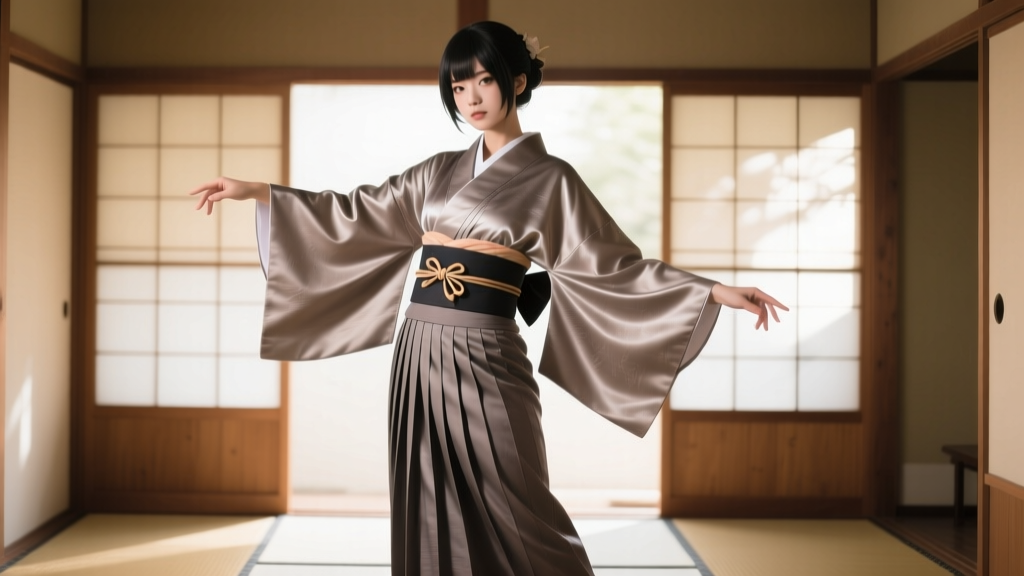
An anime hakama is a stylized, wide-legged pleated garment worn over a kimono, adapted for cosplay to replicate iconic characters from series like Demon Slayer: Kimetsu no Yaiba and Rurouni Kenshin. To style it correctly, cosplayers must secure the front himo (ties) above the back himo at the waist, ensuring the koshiita (back board) sits flat against the lower spine. This guide is designed for anime cosplayers, convention attendees, and theatrical costumers seeking accurate, comfortable, and durable hakama styling for 2026 events like the Tokyo International Cosplay Summit.
Key Takeaways
- Standard anime hakama feature 5 front pleats and 3 back pleats.
- Polyester twill offers the best balance of drape and durability for convention wear.
- Always tie the front himo first, crossing them at the back before securing the final bow at the front.
Understanding the Anime Hakama
Accurate cosplay requires understanding the foundational anatomy of the garment. Below are the core components you must identify when purchasing or sewing your piece.
Core Terminology
Hakama: A traditional Japanese pleated, wide-legged garment worn over a kimono, historically worn by samurai. In modern media, it is heavily adapted in anime to signify martial artists, scholars, or shrine maidens, often featuring exaggerated pleats and vibrant colors for visual impact.
Himo: The long, narrow fabric ties attached to the hakama waistband, used to secure the garment tightly around the torso. Traditional sets include two wider front ties and two narrower back ties, which must be woven and knotted precisely to maintain structural tension.
Koshiita: The rigid, trapezoidal back board located at the rear waistband of a hakama, providing structural support and maintaining posture. While historical versions used stiffened paper or bamboo, modern cosplay replicas frequently utilize lightweight thermoplastic or high-density foam to ensure convention comfort.
Anime Hakama vs Traditional Hakama
Historical garments prioritize strict etiquette and subdued colors, as documented by the Kyoto Costume Institute. Anime adaptations exaggerate the silhouette for dynamic animation. Screen-accurate cosplay hakama often feature a wider leg opening and a shorter 105 cm standard length to prevent tripping during choreographed stage performances.
Selecting the Right Fabric for Cosplay
Choosing the correct textile dictates how well the pleats hold their shape throughout a 12-hour convention day. According to textile guidelines from Mood Fabrics, weight and memory are the primary factors for pleated garments.
Fabric Selection Comparison Table
| Fabric Type | Pleat Memory | Breathability | Average Cost (per 3.5 meters) |
|---|---|---|---|
| 100% Polyester Twill | Excellent | Low | $45 USD |
| Cotton-Poly Blend | Good | Medium | $60 USD |
| 100% Cotton Canvas | Poor (requires ironing) | High | $55 USD |
| Silk Crepe | Very Poor | High | $120 USD |
For most anime characters, 100% polyester twill is the optimal choice. It holds heat-set pleats permanently and resists wrinkling when sitting on convention center floors.
Step-by-Step Tying and Styling Guide
Mastering how to tie an anime hakama ensures the garment stays secured during active movement. Follow this precise sequence to achieve a screen-accurate knot.
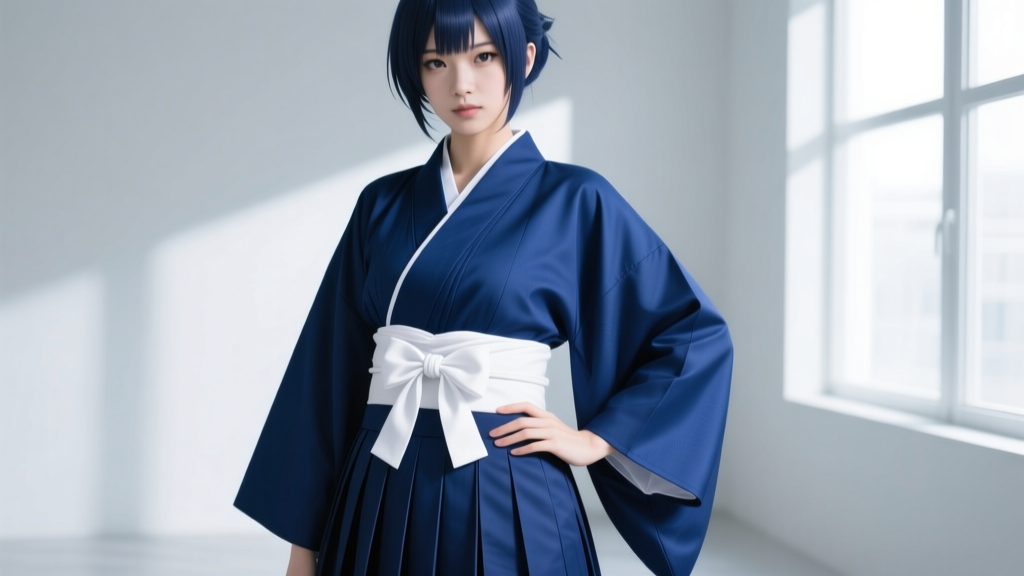
- Hold the hakama at your waist, ensuring the koshiita rests flat against your lower back.
- Wrap the two wide front himo around your torso, crossing them at the back.
- Bring them back to the front and tie a secure square knot slightly off-center.
- Wrap the two narrow back himo around your waist, passing them over the front ties.
- Tie the back himo into a neat bow at the front, tucking the loose ends under the crossed front ties.
Always check that the 5 front pleats and 3 back pleats remain perfectly aligned after tying. Misaligned pleats break the visual illusion of the garment.
Character-Specific Styling Frameworks
Different anime properties require distinct styling adjustments to achieve screen accuracy.
Demon Slayer: Kimetsu no Yaiba
Characters like Tanjiro Kamado wear standard black hakama with a white haneri (collar). The fabric must be lightweight to allow for high-mobility wirework poses. Ensure the hem hits exactly at the ankle bone to show off the tabi socks and zori sandals.
Rurouni Kenshin
Kenshin Himura wears a distinct rust-red hakama over a white kimono. The red dye should appear slightly faded to reflect the Meiji era setting. Use a cotton-poly blend to give the garment a heavier, more historical drape compared to modern shonen adaptations.
Frequently Asked Questions
What is the best fabric for anime hakama cosplay?
100% polyester twill is the best fabric for anime hakama cosplay. It provides excellent pleat memory, resists wrinkles, and costs approximately $45 USD for the required 3.5 meters of yardage.
How do I keep my hakama pleats sharp after washing?
Never machine-wash a cosplay hakama. Spot clean stains with a damp cloth. If a full wash is necessary, hand-wash in cold water and hang dry, then use a steam iron with a pressing cloth to realign the heat-set pleats.
Can I wear an anime hakama without a kimono top?
While traditional rules require a kimono top, modern cosplay frequently pairs hakama with character-specific tunics, military jackets, or crop tops. Always prioritize the specific character reference sheet over historical accuracy.
Conclusion
Styling an anime hakama requires balancing historical construction with the practical demands of modern convention wear. By selecting heat-set polyester twill, mastering the front-over-back himo tying sequence, and tailoring the hem to your specific character, you ensure a durable and accurate costume. Your next step is to practice the tying sequence in front of a full-length mirror for 15 minutes to build muscle memory before your next event.