Ancient Chinese Fashion: The Modern Event & Occasion Guide
Decoding Ancient Chinese Fashion for Modern Occasions
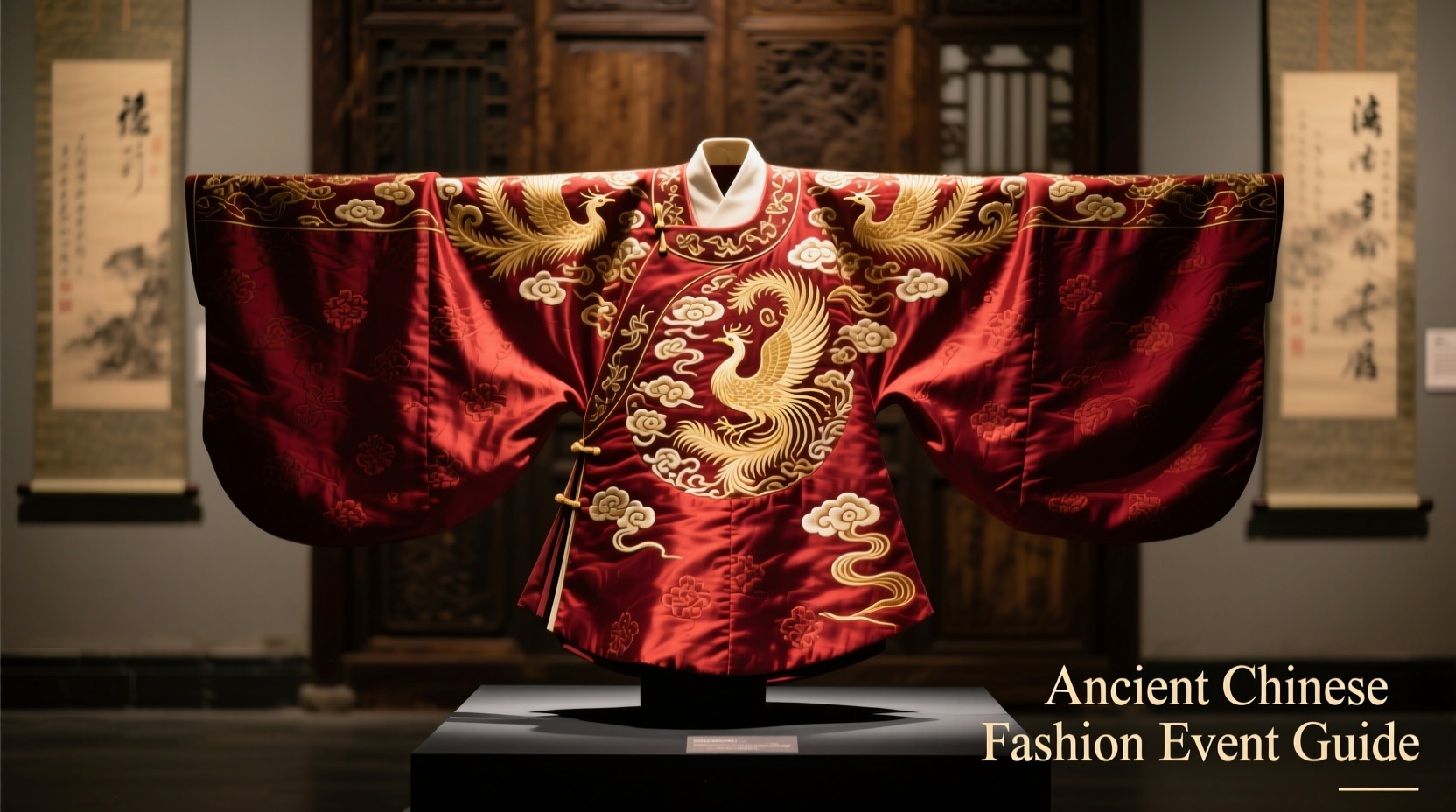
When cultural historians and modern enthusiasts discuss ancient Chinese fashion, they are predominantly referring to Hanfu (汉服), the traditional dress of the Han Chinese people spanning from the Yellow Emperor era to the late Ming Dynasty. Distinct from the 20th-century Qipao or Qing-era Manchu clothing, Hanfu is characterized by flowing silhouettes, flat-pattern cutting, and profound philosophical symbolism. Over the last decade, the Hanfu revival movement (Hanfu Yundong) has transformed these historical garments from museum relics into viable, breathtaking options for modern weddings, tea ceremonies, graduations, and cultural festivals.
However, navigating ancient Chinese fashion requires more than just purchasing a beautiful silk robe. It demands an understanding of dynastic aesthetics, strict sartorial protocols, and seasonal fabric compositions. This guide provides a comprehensive framework for selecting, sourcing, and styling authentic Hanfu for contemporary events, ensuring cultural respect and historical accuracy.
Dynasty-Specific Styling: Matching Era to Event
The term 'Hanfu' encompasses thousands of years of evolution. To dress appropriately for a modern event, one must select the correct dynastic silhouette, as each era projects a distinctly different mood and level of formality.
Tang Dynasty (618–907 CE): Grandeur for Weddings & Galas
The Tang Dynasty represents the cosmopolitan zenith of ancient Chinese fashion, heavily influenced by Silk Road trade. The defining silhouette for women is the Qixiong Ruqun (chest-high skirt), which sits above the bust and flows to the floor, often paired with a Banbi (half-arm jacket) or a sheer silk shawl (Pibo). Tang aesthetics favor vibrant jewel tones, bold floral motifs, and generous use of gold. Best for: Summer cultural festivals, vibrant wedding receptions, and grand evening galas where high-energy elegance is desired.
Song Dynasty (960–1279 CE): Elegance for Tea Ceremonies & Arts
In stark contrast to Tang exuberance, Song Dynasty fashion reflects Neo-Confucian ideals of restraint, intellect, and quiet luxury. The hallmark garment is the Beizi, a long, open-front jacket with straight lapels, worn over a pleated skirt (Baizhequn). Colors are subdued—celadon, pearl, ink black, and pale lotus. Best for: Traditional tea ceremonies, academic conferences, gallery openings, and intimate daytime engagements where understated sophistication is paramount.
Ming Dynasty (1368–1644 CE): Formality for Festivals & Banquets
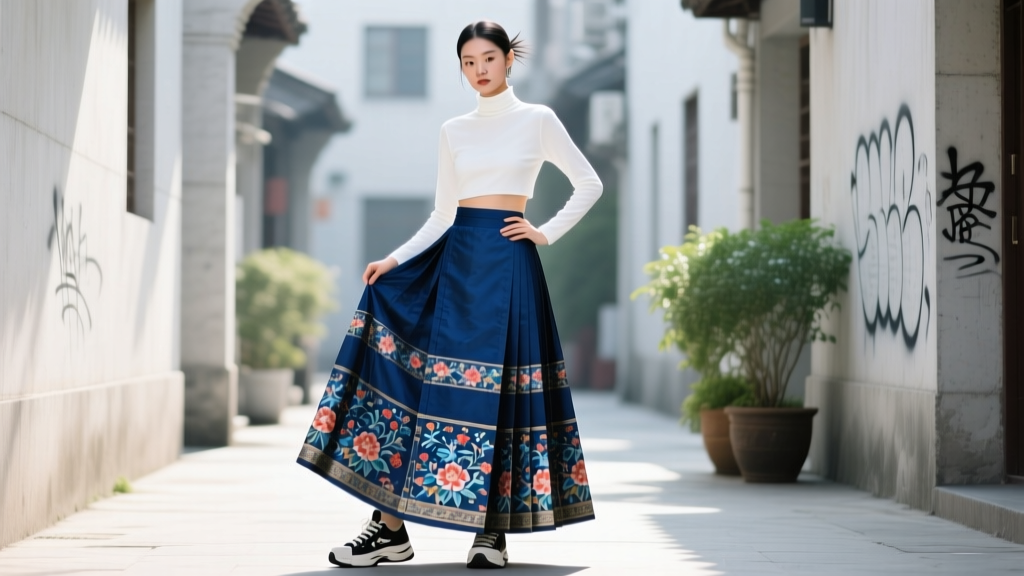
Ming fashion is highly structured, regal, and heavily layered. The most iconic garment to emerge from this era is the Mamianqun (horse-face skirt), featuring flat front and back panels with deeply pleated sides, often adorned with intricate woven borders (Lan). Paired with an Ao (a lined, structured jacket with a standing collar or cross-collar), Ming Hanfu provides warmth and immense formal presence. Best for: Winter weddings, formal state or community banquets, and major lunar new year celebrations.
The Anatomy of Authenticity: Construction and Protocols
To wear ancient Chinese fashion respectfully, one must adhere to its foundational construction rules. Western clothing relies on darts, shoulder seams, and tailoring to hug the body's curves. Hanfu relies on flat-pattern cutting (pingmian caijian), where the fabric is woven to the exact width needed and draped over the body, creating a fluid, unbroken line that respects the integrity of the silk.
The Golden Rule: Jiaoling Youren (交领右衽)
The most critical protocol in Hanfu is the collar direction. Jiaoling Youren translates to 'cross collar, right lapel.' The left side of the collar must always cross over the right side, forming a 'y' shape at the neck. In traditional Chinese cosmology, the left represents Yang (life, the sun, the living), while the right represents Yin (death, the moon, the underworld). Cultural Warning: Reversing this collar (left lapel hidden under the right) is known as Zuoren and is strictly reserved for dressing the deceased for burial. Wearing a right-over-left collar at a wedding or festival is considered deeply inauspicious and offensive.
Fabric Composition and Seasonality
Authentic ancient Chinese fashion is intrinsically tied to the agricultural calendar and natural fibers. As documented in the Metropolitan Museum of Art's extensive textile archives, Chinese sericulture produced varying grades of silk for specific climates.
- Summer (Ramie & Luo): Breathable ramie linen and Luo (an open-weave, gauze-like silk) are essential for outdoor summer events to prevent overheating in layered garments.
- Spring/Autumn (Chou & Juan): Standard mulberry silk (Chou) and lightweight tabby weaves (Juan) provide a beautiful drape and moderate temperature regulation.
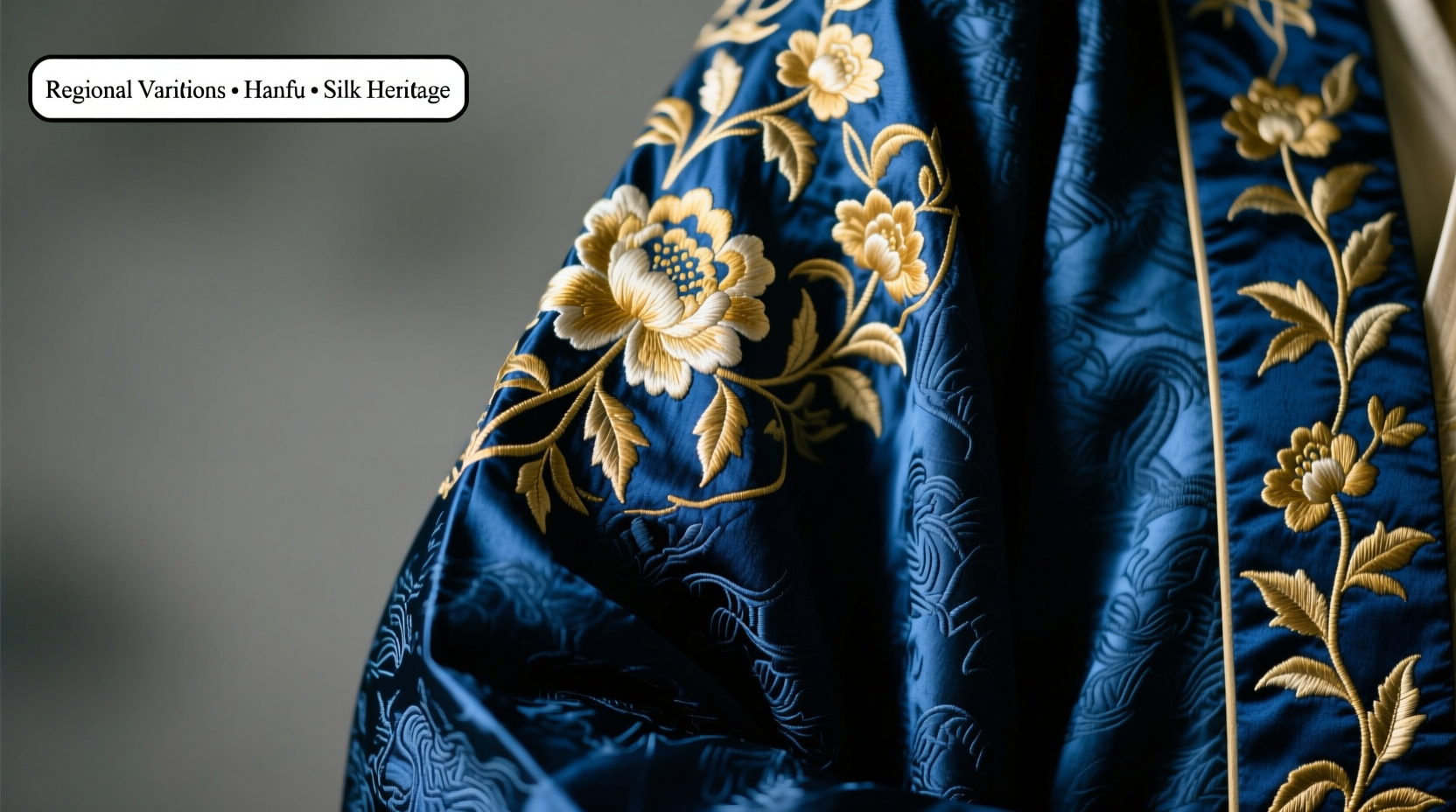
- Winter (Zhijin & Zhuanghua): Heavy silk brocades, often woven with real gold or silver threads (Zhuanghua), provide structure and insulation for indoor winter banquets.
Sourcing Authentic Hanfu: Price Tiers and Artisan Markets
The market for Hanfu has exploded, but quality varies drastically. When sourcing ancient Chinese fashion for a significant life event, it is vital to understand the pricing tiers and material realities. The Smithsonian National Museum of Asian Art frequently highlights the immense labor required for traditional Chinese loom weaving, which is reflected in the cost of authentic pieces.
| Tier | Price Range (USD) | Materials & Construction | Best Occasion |
|---|---|---|---|
| Entry-Level | $40 - $90 | Polyester blends, machine embroidery, glued appliqués | Casual festivals, cosplay, photography |
| Mid-Tier Artisan | $150 - $400 | 100% Mulberry silk, real-metal thread weaving, proper flat-cutting | Tea ceremonies, formal dinners, graduations |
| Bespoke Heritage | $800 - $3,000+ | Hand-loomed Zhangzhou silk, gold-leaf embroidery, custom tailoring | Weddings, museum exhibitions, state events |
Cultural Etiquette: Navigating Modern Events in Historical Dress
Wearing Hanfu to a modern event requires a holistic approach to styling. A common pitfall for beginners is mixing cultural signifiers or utilizing modern accessories that clash with the historical silhouette.
Footwear and Hemlines
Traditional Hanfu shoes are Yunxie (cloud shoes), featuring upturned toes and embroidered silk uppers. For modern events, if authentic Yunxie are unavailable, opt for minimal, flat, closed-toe leather or silk slippers in neutral tones. Avoid modern stiletto heels, as they alter the natural, gliding gait that flat-cut Hanfu is designed to accentuate. Furthermore, ensure your skirt hem (Qunbai) hovers exactly one inch above the ground to maintain elegance without tripping.
Hair and Adornments
Hair should be styled in a manner consistent with the chosen dynasty. Avoid wearing Japanese Kanzashi or Qing-era Manchu hairpieces with Hanfu. Instead, invest in traditional Chinese hairpins: the single-pronged Zan (簪) and the multi-pronged Chai (钗). Materials like jade, carved wood, and enamelled metal (Tian-tsui alternatives) elevate the formality of the ensemble. For men, a traditional Guan (crown or cap) and a wooden or jade hair stick are required for formal events, as loose, unbound hair was historically associated with youth or mourning.
Final Thoughts on Reviving Historical Dress
Engaging with ancient Chinese fashion is a profound way to connect with the philosophical and aesthetic heritage of Asian civilizations. By respecting the structural rules of Jiaoling Youren, selecting dynasty-appropriate silhouettes for your specific event, and investing in natural fibers, you transform a simple garment into a living piece of history. Whether you are pouring tea in a minimalist Song Dynasty Beizi or celebrating a marriage in a resplendent Ming Dynasty Mamianqun, authentic Hanfu offers a timeless, dignified elegance that transcends modern trends.