West African Kente Cloth: Weaving Traditions & Meaning

The Origins of Kente Cloth
Kente cloth originates from the Ashanti Kingdom in present-day Ghana, dating back to the 17th century. Legend holds that two brothers from the village of Bonwire observed a spider weaving its web and returned home to replicate the intricate patterns using silk and cotton threads.
Royal Heritage
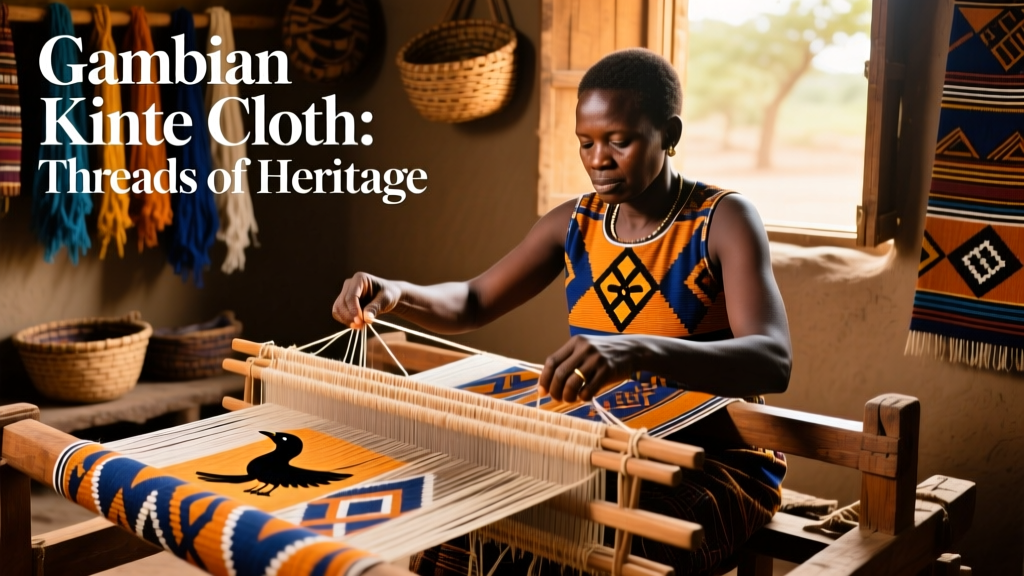
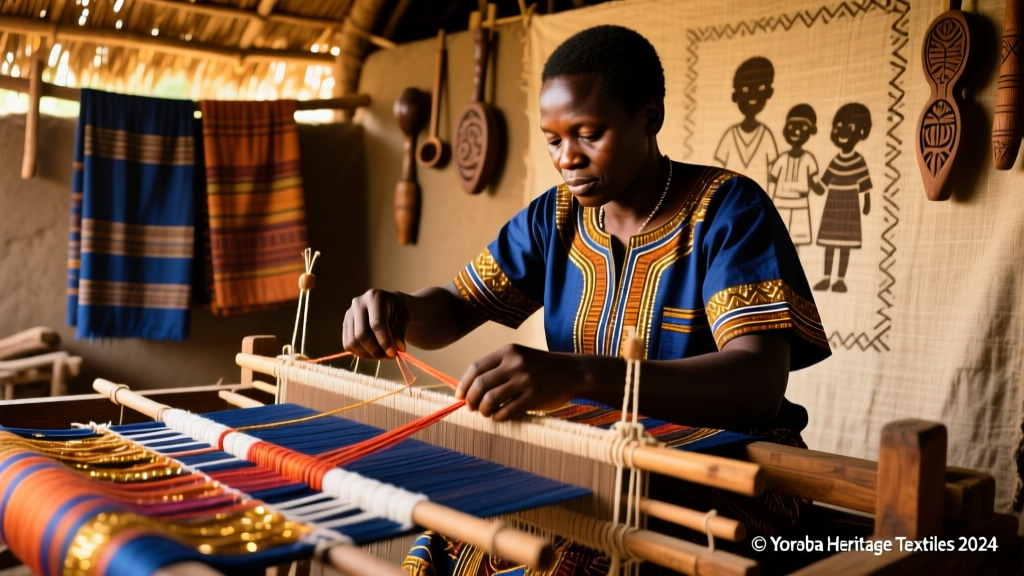
Originally reserved for Ashanti royalty and dignitaries, kente was woven on narrow-strip looms by men and sewn together into larger garments. Each pattern carried a specific name and meaning, communicating proverbs, historical events, or philosophical concepts.
Symbolic Color Meanings
- Gold/Yellow: Wealth, royalty, and spiritual purity
- Green: Growth, harvest, and renewal
- Blue: Peace, harmony, and love
- Red: Political passion, death, and sacrifice
- Black: Maturation, spiritual energy, and ancestral connection
Modern Kente Usage
Today, kente has transcended its Ashanti origins to become a pan-African symbol of cultural pride. It appears in graduation stoles, wedding attire, and contemporary fashion worldwide. Ghanaian designers like Christie Brown and Pistis Ghana integrate kente motifs into modern silhouettes, bridging tradition and haute couture.
Preservation Efforts
The Bonwire Kente weaving village near Kumasi remains the epicenter of authentic kente production. UNESCO has recognized the craft, and Ghanaian government initiatives support master weavers in training apprentices, ensuring the tradition survives industrialization and mass-produced imitations.