Malian Indigo Resist Techniques
Indigo Beyond Adire
While Nigerian adire gets more attention, Mali has its own rich indigo resist-dyeing traditions. Soninke and Bamana women create striking patterns using techniques distinct from the Yoruba adire tradition.
Starch Resist
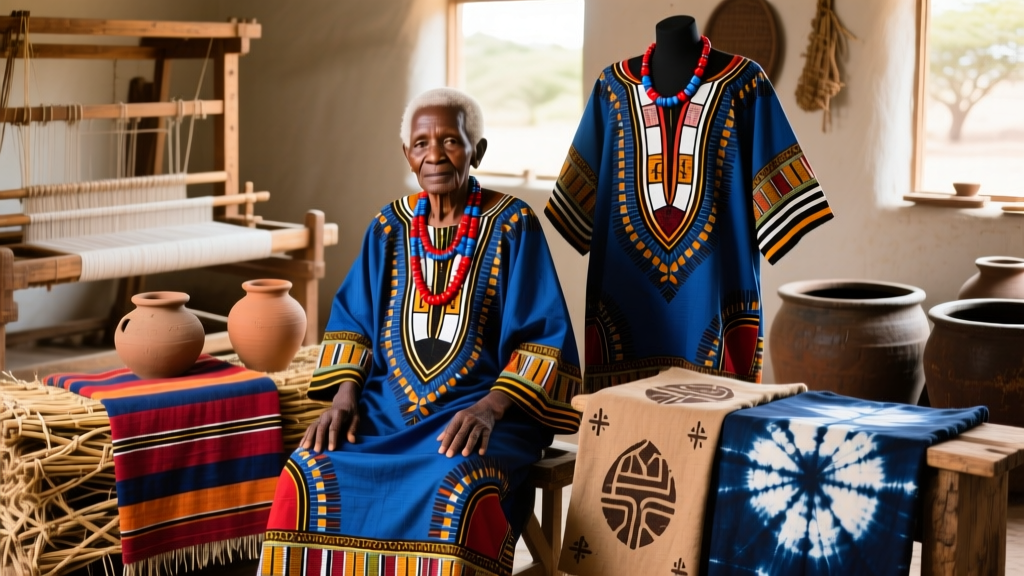
Artists apply a cassava flour paste through metal stencils or by hand-painting onto white cotton. The paste resists the indigo dye, creating white patterns on a deep blue background.
Distinctive Malian Patterns
- Mosque pattern — architectural motifs from Djenné
- Baobab leaves — symbols of resilience
- Cowrie shells — wealth and divination
Indigo Pits
Traditional dyeing uses large clay pots or pits sunk into the ground. The indigo vat is maintained with ash water and sorghum beer, creating the alkaline conditions needed for the dye to bond with fiber.
Contemporary Scene
Malian fashion designer Chris Seydou brought bogolan and indigo textiles to Paris runways. Today, cooperatives in Bamako and Ségou maintain these traditions while developing new patterns for modern fashion markets.