Shweshwe: South African Printed Fabric

Introduction
The world of traditional garments and textile arts offers a fascinating window into human culture, history, and identity. This article explores the rich heritage and contemporary relevance of shweshwe.
Historical Background
The origins of this textile tradition stretch back centuries, rooted in the daily lives, ceremonies, and spiritual practices of the communities that created them. Each stitch, pattern, and color choice carries deep cultural meaning that has been passed down through generations.
Historically, these garments served not only as clothing but as markers of social status, tribal affiliation, and spiritual protection. The materials used were sourced locally, reflecting the natural environment and available resources of the region.
Materials and Techniques
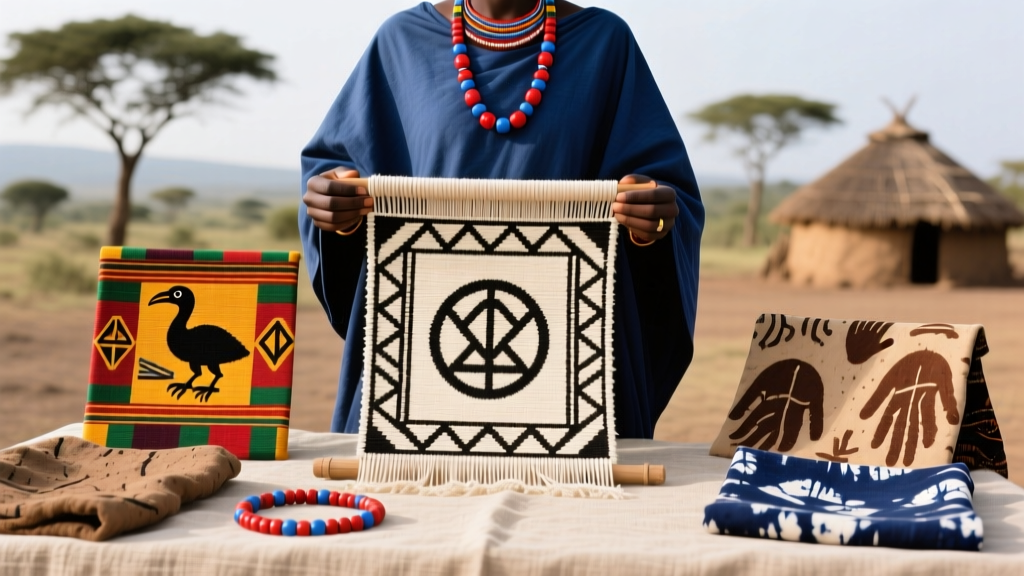
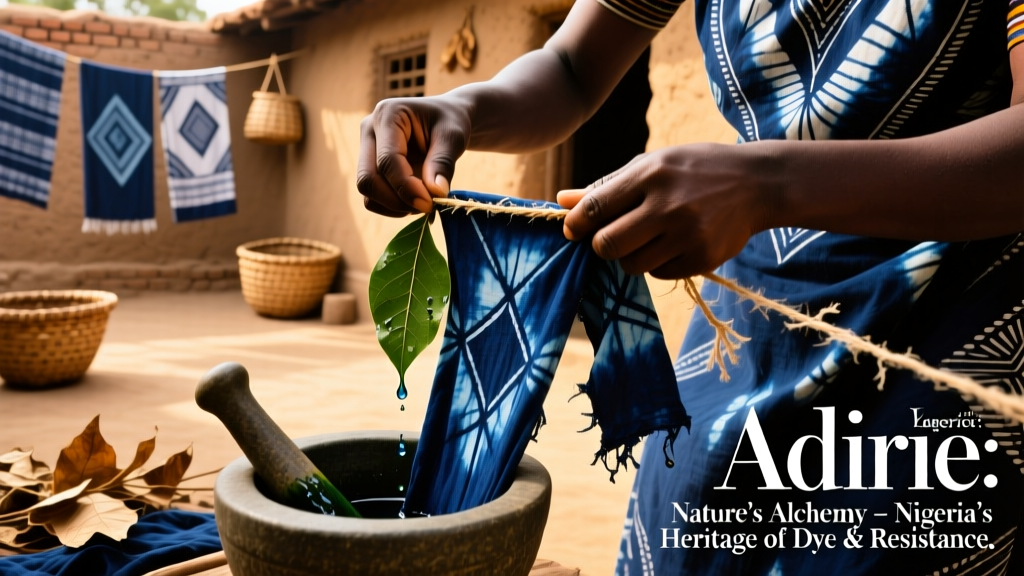
Traditional production methods involve careful selection of natural fibers, dyes, and embellishments. Artisans develop specialized skills over years of practice, mastering techniques that may include weaving, embroidery, dyeing, or beadwork.
- Natural fibers sourced from local plants, animals, or minerals
- Hand-crafted techniques passed through generations
- Regional variations reflecting local environment and culture
- Sustainable production methods aligned with natural cycles
Cultural Significance
Beyond their practical function, these garments carry profound cultural meaning. They may indicate marital status, age group, social rank, or spiritual beliefs. Many communities maintain strict protocols around who can wear certain patterns or colors.
In ceremonies and rites of passage, traditional dress plays a central role, connecting participants to their ancestors and cultural continuity. The act of wearing these garments is itself a form of cultural expression and preservation.
Modern Revival and Adaptation
In recent years, there has been a growing movement to revive and preserve traditional textile arts. Young artisans, designers, and cultural advocates are finding new ways to honor these traditions while making them relevant to contemporary life.
Modern adaptations often blend traditional techniques with contemporary fashion sensibilities, creating pieces that celebrate heritage while appealing to global audiences. This fusion approach helps sustain the craft economically while preserving its cultural essence.
Preservation Challenges
Despite growing interest, many traditional textile arts face threats from mass production, cultural appropriation, and loss of artisan knowledge. Supporting authentic craftspeople and ethical sourcing practices is essential for preserving these traditions for future generations.
Organizations and communities worldwide are working to document techniques, train new artisans, and create sustainable markets for traditional textiles.
Conclusion
The African Heritage textile tradition explored in this article represents far more than clothing—it embodies centuries of cultural knowledge, artistic expression, and community identity. By understanding and appreciating these traditions, we contribute to their preservation and continued evolution.