Malian Mudcloth: Bogolanfini Art

Painted Earth on Woven Cotton
Bogolanfini (literally "made with mud") is a handwoven cotton fabric decorated with fermented mud dye, originating from the Bamana people of Mali. This distinctive textile, characterized by bold black and white geometric patterns, has become one of Africa's most internationally recognized art forms.
The Fermented Mud Process
The key to bogolanfini is the mud — collected from riverbeds and fermented in clay pots for up to a year. During fermentation, iron-rich compounds develop that react with tannins in the cloth to produce deep, permanent black color. The chemical process is similar to iron gall ink used in medieval European manuscripts.
Cloth Preparation
Before mud application, cotton cloth is woven in narrow strips on double-heddle looms, then sewn together and soaked in a tannin-rich solution made from leaves of the n'gallama tree (Anogeissus leiocarpus). This tannin bath creates a yellow base that will react with the iron-rich mud to produce black.
Application and Patterns
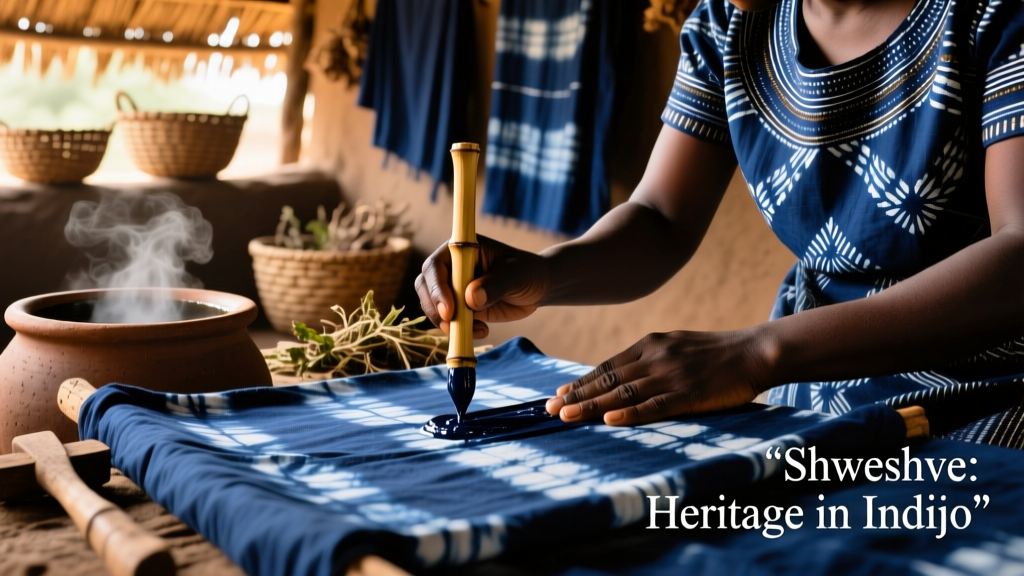
Artists — traditionally Bamana women — apply fermented mud using brushes made from palm fiber or metal tools. Common motifs include fish bones (representing bravery), crocodile teeth (protection), antelope horns (grace and beauty), and various geometric shapes. Each pattern element has a name and associated proverb or teaching.
From Village to Gallery
In the 1980s, Malian designer Chris Seydou brought bogolanfini to international fashion runways. Today, mud cloth is used globally in interior design, fashion, and art. While commercialization has expanded the craft's reach, it has also led to simplified versions that lose the original symbolic content. Artisan cooperatives in Beledougou region continue traditional production.