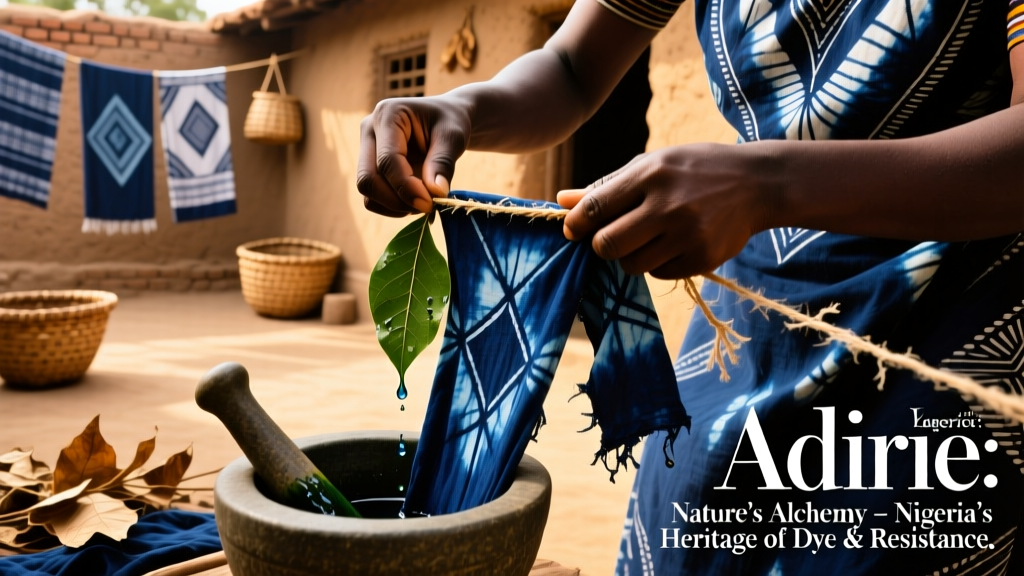
Ghanaian Smock: Northern Tradition

Ghanaian Smock: Northern Tradition
The Ghanaian smock, known locally as fugu (in Dagbani) or batakari (in Akan), is the iconic garment of northern Ghana. While the kente cloth dominates Ghana's international image, the smock is equally significant — a handwoven, hand-dyed tunic that embodies the cultural identity of the Dagomba, Mamprusi, Gonja, and other northern peoples.
Origins and History
The smock's origins trace to the Sahelian trade routes that connected West Africa to North Africa and the Middle East. Islamic scholars and traders introduced the flowing tunic style, which was adopted and adapted by northern Ghanaian peoples. The garment's loose, covering silhouette aligns with Islamic modesty traditions while incorporating distinctly African weaving and dyeing techniques.
Construction
A traditional smock is constructed from handwoven strip cloth, dyed with indigo and other natural dyes, and sewn together into a loose-fitting tunic with wide sleeves. Key features include:
- Strip patterns: Alternating colored and white stripes, with the pattern indicating the wearer's ethnic group and social status
- Embroidered neckline: A V-shaped or round neckline decorated with hand-embroidery, often in white or gold thread
- Amulet pockets: Some traditional smocks include small leather pouches for protective amulets (tihibu)
Political Significance
The smock has gained national political significance in Ghana. Presidents and politicians from the north wear the smock to signal their regional identity. Former President John Dramani Mahama, who hails from the north, frequently wore the batakari in office, elevating its status as a national garment alongside the kente cloth.
Modern Appeal
Contemporary Ghanaian designers have reimagined the smock for modern fashion. Shorter cuts, slimmer fits, and contemporary fabric choices have made the smock popular among young Ghanaians who want to express northern identity in a modern context. The annual Smock Festival in Tamale celebrates the garment's heritage and promotes northern Ghanaian culture.