Ethiopian Tibeb Weaving Patterns Guide
The Art of Tibeb
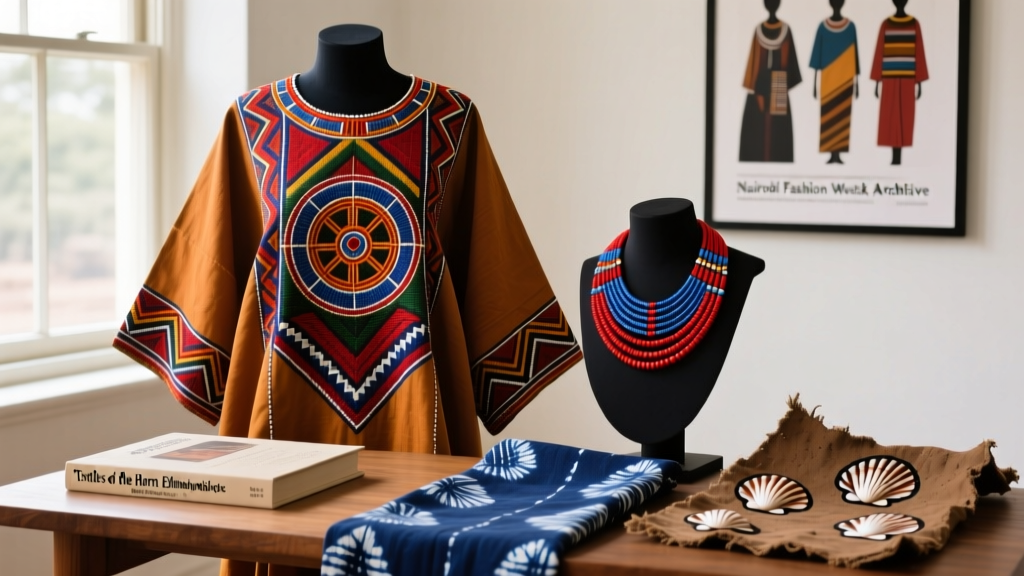
Tibeb refers to the colorful woven borders that adorn Ethiopian traditional garments. These intricate patterns, created on hand looms, represent centuries of textile innovation and cultural expression across Ethiopian highland communities.
Loom Setup
Ethiopian weavers use horizontal pit looms with multiple heddles to create complex patterns. The warp threads are set up with precise tension, and the weaver manipulates individual threads to create distinctive geometric and cross-shaped motifs.
Color Symbolism
Traditional tibeb colors carry meaning: green represents the land, yellow symbolizes peace, red stands for sacrifice, and blue reflects the sky and divine blessings. These combinations vary by region and occasion.
Regional Variations
Gondar weavers favor dense cross patterns, Shewa artisans prefer bold geometric arrangements, and Harari weavers incorporate metallic threads for ceremonial garments.