Malian Indigo Dye: Women's Craft Legacy
Daniel Osei·Published

Indigo in West Africa
Indigo dyeing is one of West Africa's oldest textile arts, with Mali serving as a key center of production. The craft is predominantly practiced by women, who pass their knowledge through matrilineal apprenticeship.
The Dye Source
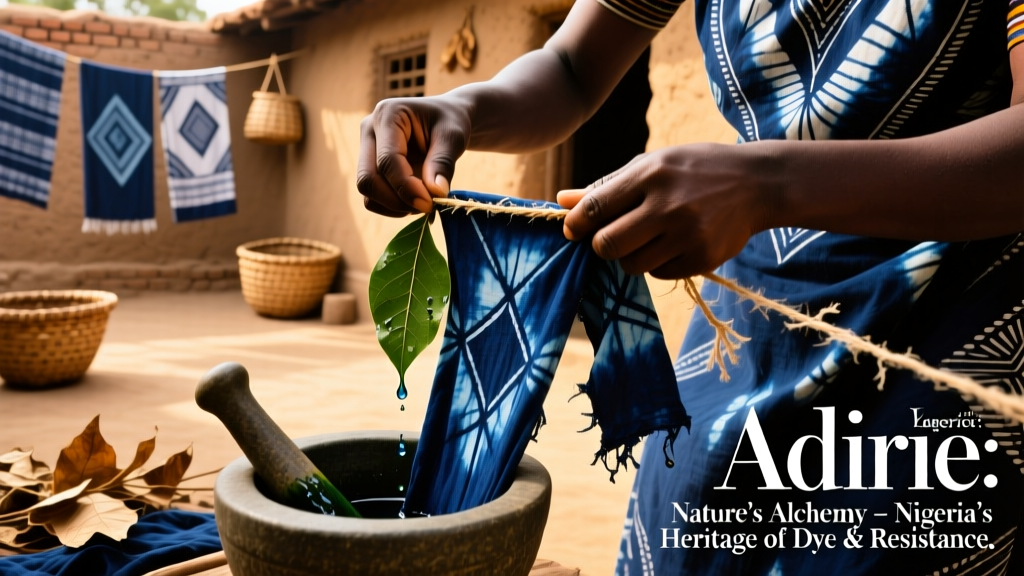
West African indigo comes from Indigofera tinctoria and the local Lonchocarpus cyanescens (known as gare in Hausa). Leaves are harvested, dried, and pounded into balls or cakes for storage and transport.
The Fermentation Vat
Creating the dye vat is a multi-day process:
- Indigo cakes are dissolved in water mixed with wood ash (alkaline agent)
- The vat ferments for 3 to 7 days, with the dyer monitoring temperature and smell
- Cloth is dipped repeatedly—each dip deepens the blue
- Fabric is oxidized between dips by hanging in air
Resist Techniques
Malian dyers use several resist methods:
- Stitch resist: Patterns are stitched tightly before dyeing
- Starch resist: Cassava paste is painted on areas to remain light
- Fold resist: Cloth is pleated or folded for geometric effects
Challenges and Revival
Synthetic indigo has undercut natural dyeing economically, but cooperatives in Djenné and Mopti continue producing natural indigo cloth for collectors and eco-conscious fashion brands.