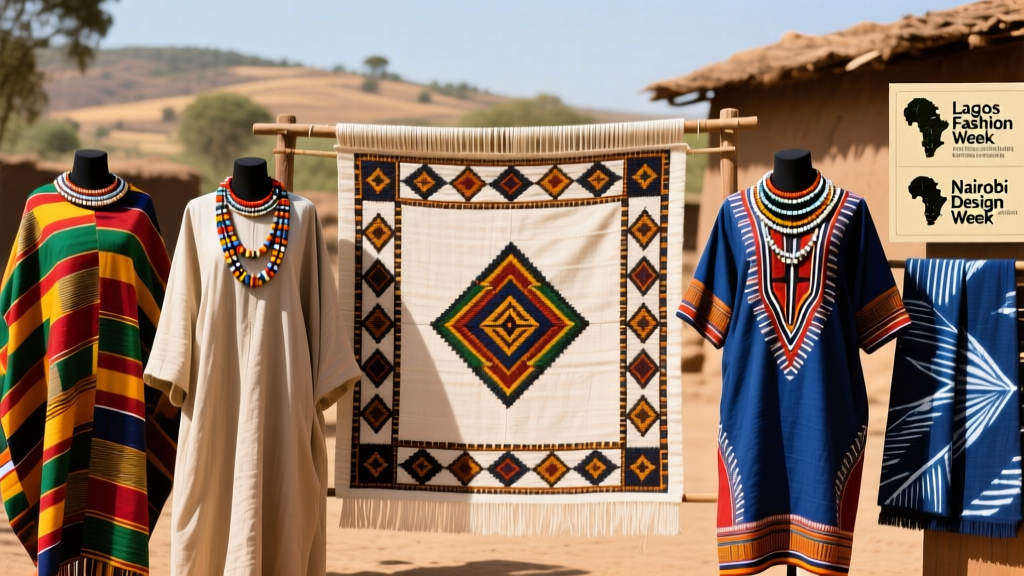
Ethiopian Shemma Cotton Weaving
The Fabric of Ethiopian Life
Shemma is the traditional handwoven cotton cloth of Ethiopia — a lightweight, cream-colored fabric that forms the basis of Ethiopian dress for both men and women. What makes shemma distinctive is the tibeb: a narrow band of colorful woven pattern at the borders, ranging from simple colored stripes to elaborate geometric designs.
Weaving Tradition
Ethiopian shemma is woven on pit looms by male weavers (shemane). The cotton is hand-spun from locally grown plants, producing a slightly irregular yarn that gives the fabric its characteristic texture. A standard shemma is woven in narrow strips about 80cm wide, which are then sewn together to create the finished garment.
Tibeb Borders
The tibeb is the soul of shemma. These decorative borders are woven simultaneously with the main cloth using colored supplementary threads. Traditional tibeb patterns include:
- Geometric crosses and stars
- Interlocking diamonds
- Stepped pyramid motifs
- Color combinations that indicate region or occasion
Garment Types
- Netela — lightweight shawl worn by women over the kemis (dress)
- Gabi — heavier blanket-like wrap worn by both genders
- Kemis — full-length dress made from shemma fabric
- Kuta — mens shawl or toga-like garment
Contemporary Scene
Ethiopian shemma weaving remains a living tradition. In Addis Ababa's Shiro Meda neighborhood, dozens of weavers work on pit looms, creating both traditional and contemporary designs. Ethiopian diaspora communities commission shemma for weddings and religious holidays, sustaining demand for hand-woven quality.