Ghanaian Kente Cloth: Colors and Meanings Guide

Kente: The Royal Cloth of Ghana
Kente is a type of silk and cotton fabric made of interwoven cloth strips, native to the Akan people of Ghana. Originally reserved for royalty and sacred occasions, kente has become a symbol of African cultural pride worldwide.
The Weaving Tradition
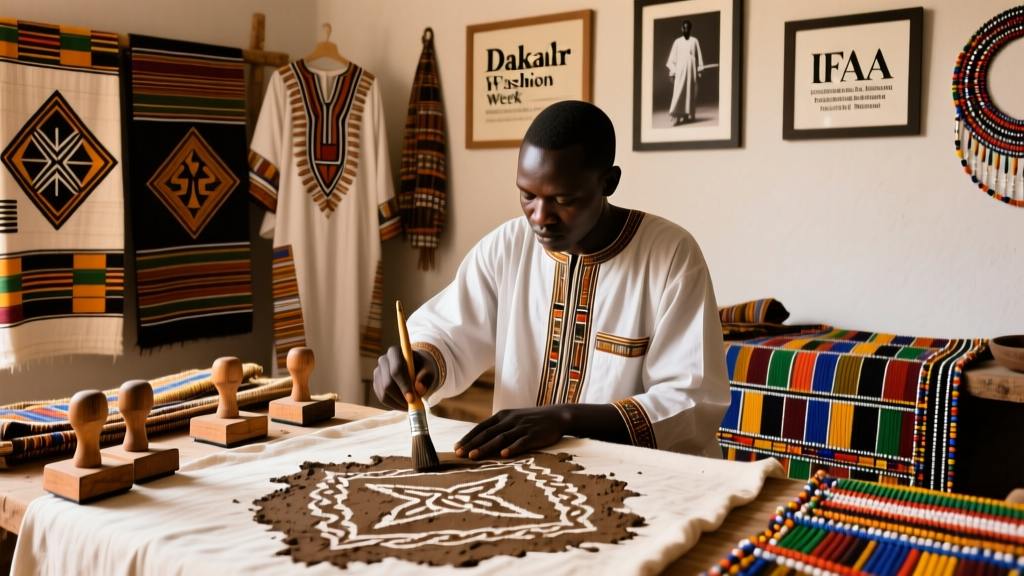
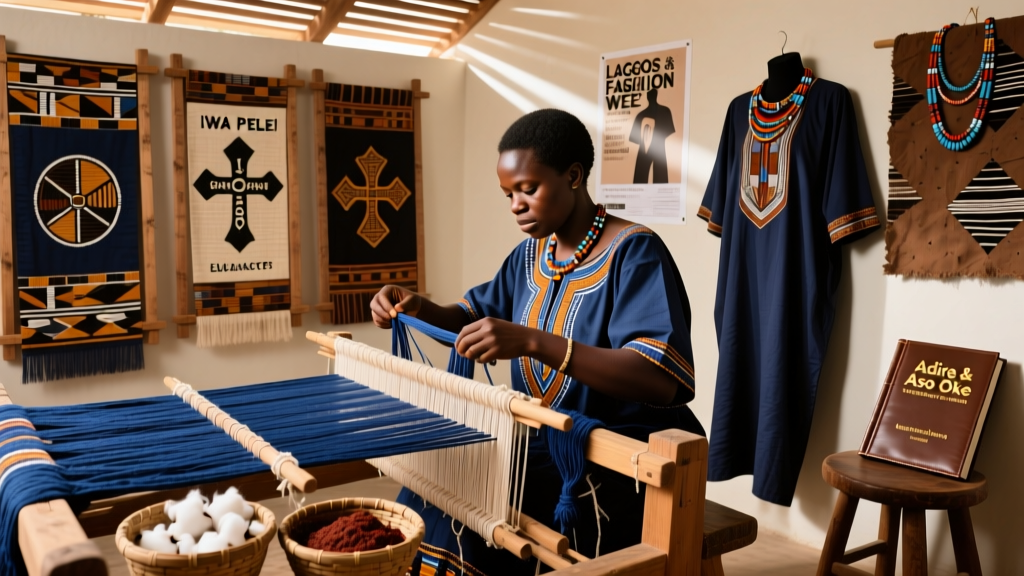
Kente is woven on narrow horizontal looms, producing strips about 4 inches wide. These strips are then carefully sewn together to create larger cloths. The weavers, traditionally men, work with incredible precision to create complex geometric patterns.
Color Symbolism in Kente
- Gold/Yellow: Royalty, wealth, high status, fertility
- Green: Vegetation, harvesting, spiritual growth
- Blue: Peace, harmony, love, goodwill
- Red: Blood of ancestors, political passion, sacrifice
- Black: Maturation, spiritual energy, funerals
- White: Purity, sanctification, festive occasions
- Silver/Grey: Serenity, purity, joy, associated with the moon
Named Kente Patterns
Each kente design has a specific name and meaning. "Adweneasa" means "my skill is exhausted," indicating the weaver's mastery. "Fathia Fata Nkrumah" celebrates the marriage of Ghana's first president. "Sika Fre Mogya" means "money strengthens family bonds."
Wearing Kente Today
While traditionally worn as a toga-style garment by men and a wrapper by women, kente is now incorporated into modern fashion, academic stoles, and ceremonial wear across the African diaspora.