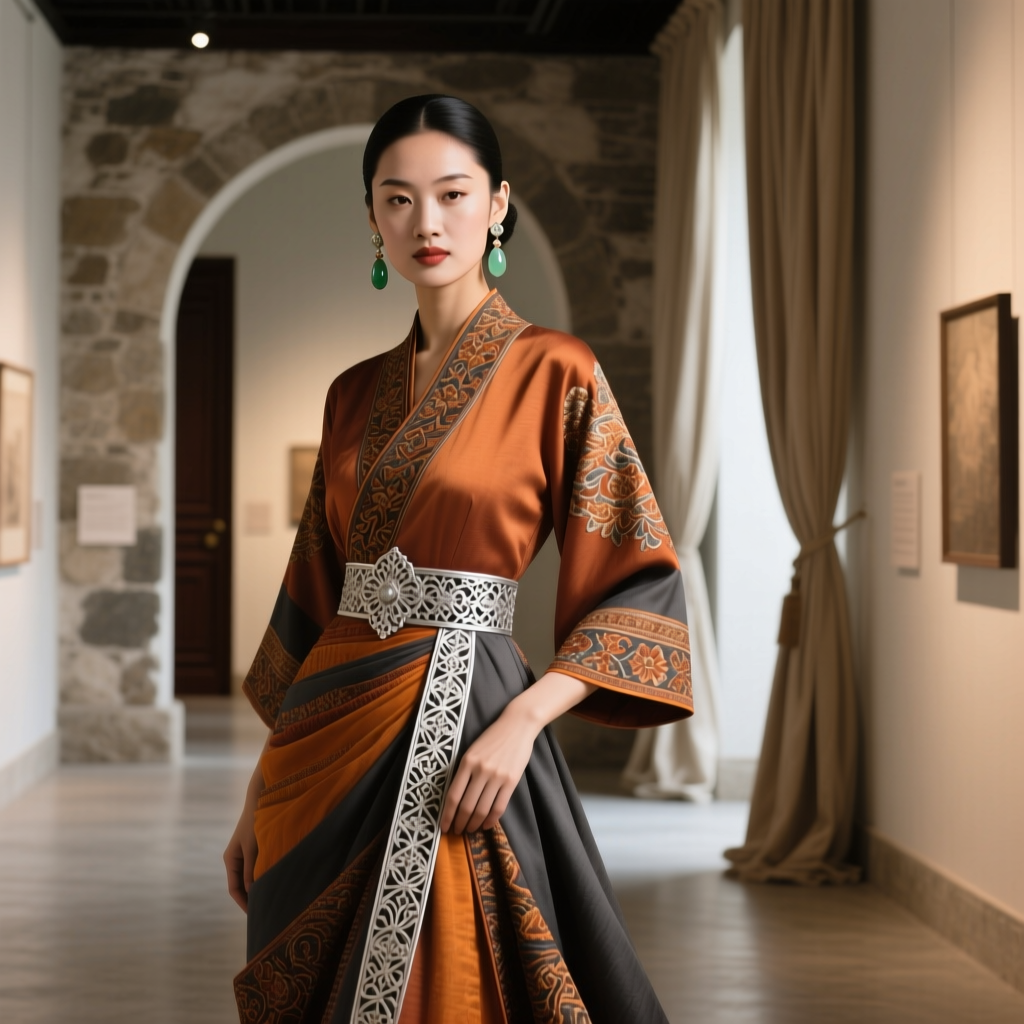
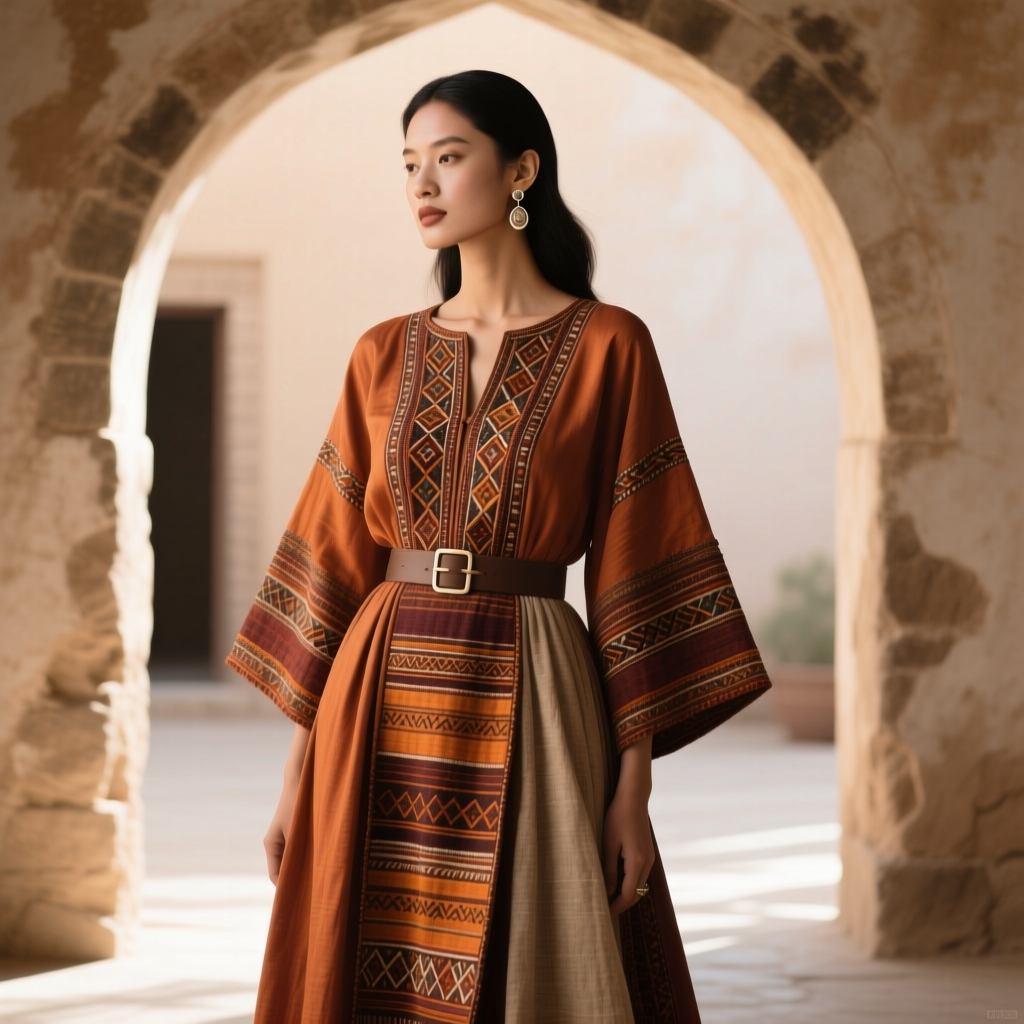
Traditional Dress Women Captions: Styling, Accessories & Social Media Guide
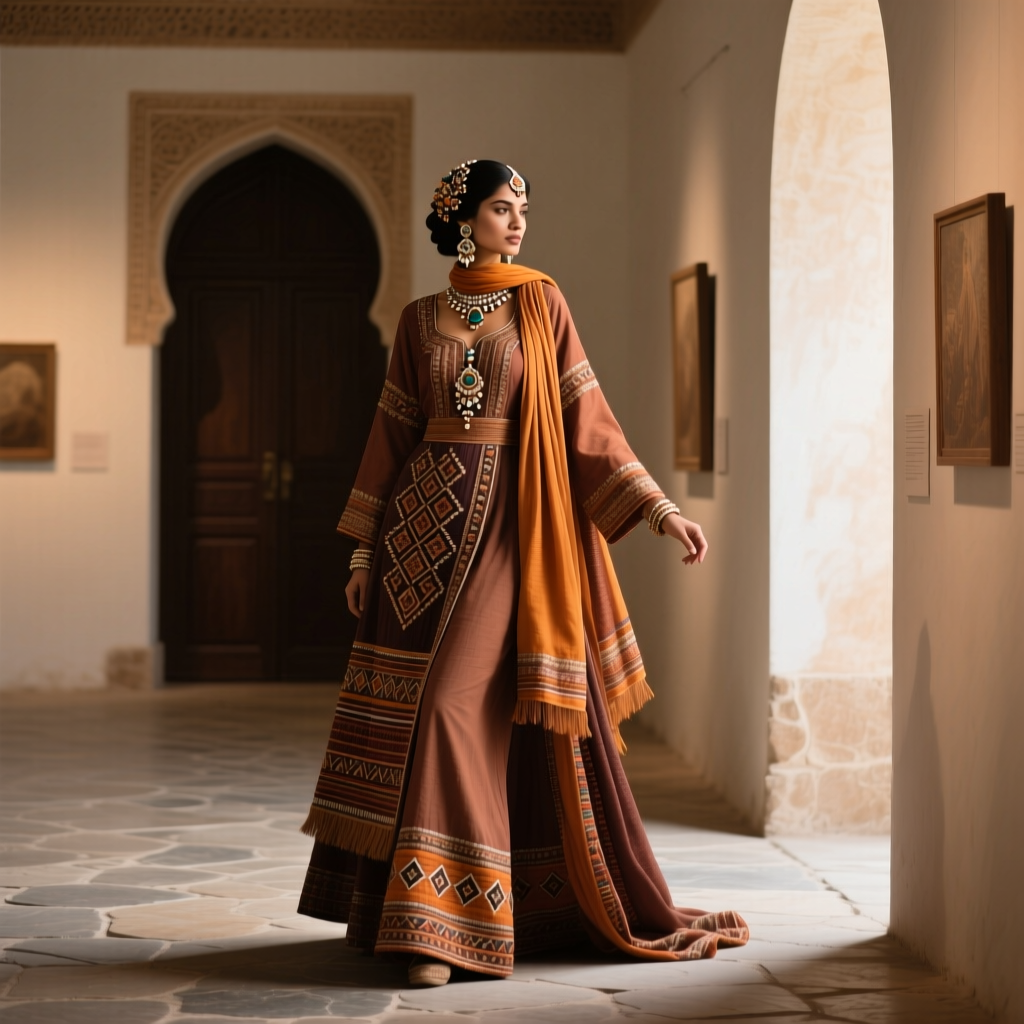
There is something profoundly powerful about slipping into a traditional dress. Whether it is a hand-embroidered huipil from the highlands of Guatemala, a flowing dirndl from the Alpine villages of Austria, or a richly woven sari passed down through generations, traditional women's garments carry stories that transcend time. They speak of identity, craftsmanship, community, and the quiet resilience of culture itself.
In an era where social media has become our shared visual diary, the way we present and caption these garments matters more than ever. A thoughtful caption paired with a well-styled photograph does more than attract likes — it honors heritage, educates audiences, and builds bridges between cultures. This guide walks you through everything you need to know about styling traditional dresses, pairing them with the right accessories, choosing occasions to wear them, and crafting captions that resonate with authenticity and grace.
If you are looking to deepen your understanding of global garment traditions before diving into styling, explore our comprehensive garment guides for historical context and cultural significance.
Crafting the Perfect Caption for Traditional Dress Photography
A great caption for a traditional dress photograph balances personal expression with cultural respect. It should invite curiosity without reducing a rich heritage to a superficial aesthetic. Here is how to approach caption writing with intention and care.
Tell the Story Behind the Garment
Every traditional dress has a narrative woven into its fabric — literally and figuratively. Use your caption to share where the garment originates, what its patterns or colors symbolize, or how it came into your possession. For example, rather than simply writing "Feeling pretty in traditional wear," consider something like: "This ao dai was tailored in Hanoi, where the high collar and flowing panels have symbolized grace and modesty for centuries. Wearing it reminds me that elegance is a language every culture speaks."
Name the Garment and Its Origin
Always use the proper name of the garment and acknowledge its cultural origin. This small act of specificity demonstrates respect and helps educate your audience. A kaftan is not simply a "flowy dress," and a kimono is not just a "robe." Precise language honors the artisans and communities who have preserved these traditions across centuries.
Blend Personal Connection with Cultural Context
The most engaging captions merge your personal experience with broader cultural context. Share how the garment makes you feel, why you chose to wear it, or what memory it evokes, then layer in a detail about its heritage. This approach creates captions that are both relatable and informative.
Caption Examples for Inspiration
- "Wrapped in six yards of handloom cotton and centuries of tradition. This kanjeevaram sari carries motifs of peacocks and temple borders — each one a prayer woven in silk."
- "The embroidery on this Palestinian thobe tells the story of a village. Every cross-stitch is a sentence, every color a chapter. Wearing it is an act of remembrance."
- "Found this vintage cheongsam in a Shanghai market. The mandarin collar and frog closures are timeless — proof that some silhouettes never age."
- "Today I wore my grandmother's lederhosen-inspired dirndl to a harvest festival. The bodice, the apron, the braids — every detail is a love letter to Alpine heritage."
- "This kente cloth wrap dress is more than fashion. Each color and geometric pattern communicates a proverb, a value, a worldview. I wear it with pride and purpose."
For more inspiration on how different cultures approach garment design and symbolism, browse our cultural heritage collection, where we explore the stories behind the world's most meaningful clothing traditions.
Styling Traditional Dresses for Modern Settings
One of the most exciting aspects of traditional dress is its versatility. With thoughtful styling, heritage garments can transition seamlessly from cultural ceremonies to city streets, from gallery openings to weekend brunches. The key lies in balancing authenticity with contemporary flair.
Pairing Traditional Silhouettes with Modern Outerwear
A structured blazer thrown over a salwar kameez creates a striking fusion look that works beautifully in professional environments. Similarly, a tailored wool coat layered over a hanbok-inspired skirt adds a cosmopolitan edge while preserving the garment's distinctive high waist and voluminous lines. The contrast between old-world craftsmanship and modern tailoring creates visual tension that is inherently stylish.
Footwear Choices That Bridge Eras
Shoes can make or break a traditional outfit's transition into modern contexts. Minimalist leather sandals pair wonderfully with Mediterranean and South Asian dresses, while clean white sneakers can give a playful, contemporary twist to a dirndl or a muumuu. For formal occasions, opt for heeled mules or pointed-toe flats in neutral tones that complement rather than compete with the garment's details.
Mixing Prints and Textures Thoughtfully
Traditional garments often feature rich, intricate patterns. When mixing these with modern pieces, let the dress be the hero. Pair a boldly printed African wax print dress with solid-colored accessories, or style an embroidered Ukrainian vyshyvanka with simple, dark-wash denim. The goal is to create harmony, not chaos. If the garment speaks loudly, let everything else whisper.
Seasonal Adaptation Strategies
Many traditional dresses were designed for specific climates, but that does not mean they cannot travel across seasons. Layer lightweight silk saris with turtleneck undershirts and ankle boots for autumn wear. Add thermal leggings beneath a Scottish tartan kilt in winter. In warmer months, sleeveless West African boubou styles in breathable cotton become effortlessly chic sundresses. Explore our seasonal styling guide for more adaptation ideas.
Accessories That Complement Traditional Women's Dresses
Accessories are the punctuation marks of an outfit — they complete the sentence and give it meaning. When styling traditional dresses, the right accessories can amplify cultural authenticity or introduce a contemporary counterpoint.
Heritage Jewelry and Ornamentation
Many traditional dresses have specific jewelry pairings that are integral to the overall look. A sari is often accompanied by jhumka earrings and stacked bangles, while a Berber kaftan might be paired with heavy silver fibula brooches and amber bead necklaces. Researching these pairings not only elevates your styling but deepens your appreciation for the culture. Our traditional jewelry guide offers detailed insights into regional ornamentation styles.
Head Coverings and Hair Accessories
From the elaborately wrapped gele of Yoruba women to the delicate lace mantilla of Spain, head coverings have long been an essential component of traditional women's dress. Even if you choose not to wear a traditional headpiece, consider hair accessories that echo the garment's aesthetic — woven headbands, beaded clips, or silk scarves tied at the nape of the neck.
Bags and Carrying Accessories
Choose bags that complement the dress's cultural context. A beaded Maasai clutch pairs naturally with East African garments, while an embroidered Mexican bolsa adds charm to a huipil ensemble. For a modern twist, structured minimalist handbags in leather or vegan alternatives create an appealing contrast with ornate traditional fabrics.
Belts, Sashes, and Waist Definers
Many traditional dresses benefit from waist definition. A woven sash can cinch a loose kaftan, while a leather belt can add structure to a flowing bohemian peasant dress with folk embroidery. Pay attention to the materials — natural fibers, hand-woven textiles, and artisan-crafted leather will always harmonize better with traditional garments than mass-produced synthetic alternatives.
Choosing the Right Occasion for Traditional Dress
Knowing when and where to wear a traditional dress is just as important as knowing how to style it. Different occasions call for different levels of formality, cultural sensitivity, and practicality.
Cultural Celebrations and Festivals
These are the most natural settings for traditional dress. Diwali, Eid, Lunar New Year, Oktoberfest, Juneteenth, Dia de los Muertos — cultural festivals and religious celebrations are occasions where wearing traditional garments is not only appropriate but encouraged. These events provide a wonderful opportunity to wear heritage pieces in their intended context, surrounded by communities that share and celebrate those traditions.
Weddings and Formal Ceremonies
Traditional dresses are increasingly popular choices for weddings, both as bridal wear and guest attire. A red qipao at a Chinese wedding, a white lace mantilla at a Spanish ceremony, or a vibrant gele and iro buba at a Nigerian celebration — these garments add depth and meaning to milestone moments. When attending a wedding from a culture not your own, always research appropriate styles and colors to ensure your outfit is respectful.
Professional and Creative Environments
Many women are bringing traditional dress into their professional wardrobes as a statement of identity and confidence. A well-tailored African print sheath dress or a minimalist Japanese-inspired wrap dress can be entirely appropriate in creative industries, academic settings, and international business environments. The key is ensuring the garment is well-fitted, pressed, and styled with polished accessories.
Travel and Cultural Immersion
Wearing traditional dress while traveling can be a meaningful way to connect with local culture — but it requires sensitivity. Purchasing and wearing a Thai silk sarong while visiting temples in Chiang Mai shows respect for local customs, while wearing a sacred or ceremonial garment from a culture you do not belong to as a costume does not. Always prioritize respect over aesthetics. Learn more about ethical cultural fashion practices to navigate these situations thoughtfully.
Modern Adaptations and Fusion Fashion
The fashion world has embraced traditional dress with enthusiasm, and designers around the globe are reimagining heritage garments for contemporary wardrobes. Understanding these adaptations helps you make informed choices about what to wear and how to caption it.
Contemporary Designers Reimagining Tradition
From Lagos to Seoul, a new generation of designers is blending traditional construction techniques with modern silhouettes. Nigerian designers are cutting ankara fabrics into tailored jumpsuits and power suits. Korean designers are incorporating hanbok elements — like the high waist and gentle curves — into minimalist ready-to-wear. Indian designers are creating pre-draped saris and sari-gowns that maintain the elegance of the original while offering ease of wear. Supporting these designers means supporting the living evolution of cultural fashion.
Fusion Styling: East Meets West
Fusion styling is the art of combining elements from different fashion traditions into a cohesive look. Pair a Chinese mandarin collar top with wide-leg Western trousers. Style a Turkish embroidery vest over a simple white t-shirt and jeans. Layer a Scottish tartan scarf over a modern trench coat. The beauty of fusion styling lies in its ability to celebrate multiple heritages simultaneously while creating something entirely new.
Sustainable and Artisan-Made Alternatives
Traditional dress is inherently aligned with sustainable fashion principles. These garments are typically made from natural fibers, constructed by hand, and designed to last for generations — the antithesis of fast fashion. When you choose artisan-made traditional pieces, you are investing in slow fashion, supporting small-scale producers, and reducing your environmental footprint. Look for cooperatives, fair-trade organizations, and direct-from-artisan marketplaces when shopping. Our sustainable traditional fashion guide highlights ethical sources worldwide.
Captioning Modern Adaptations
When posting fusion or modernized traditional looks, your captions should acknowledge the original garment and its cultural roots while celebrating the innovation. Something like: "This jumpsuit is cut from Dutch wax print fabric — a textile with a complex history spanning Indonesia, West Africa, and the Netherlands. Fashion is a conversation across continents, and I love being part of it." This approach educates your audience and positions you as a thoughtful participant in global fashion rather than a passive consumer.
Buying Guide: Where and How to Shop for Traditional Women's Dresses
Investing in a traditional dress is a decision that deserves research and care. Here is how to shop wisely and ethically.
Prioritize Authentic Sources
Whenever possible, purchase traditional garments from artisans, cooperatives, or retailers based in the garment's culture of origin. This ensures authenticity, supports local economies, and helps preserve craft traditions. Avoid mass-produced imitations from fast-fashion retailers, which often appropriate designs without credit or compensation to originating communities.
Understand Fabric and Construction Quality
Learn to recognize quality indicators in traditional garments. Hand-embroidery should show slight irregularities that distinguish it from machine work. Natural dyes may have subtle color variations that add character. Seams should be finished cleanly, and fabrics should feel substantial. If shopping online, request detailed photographs and ask about materials, dyeing processes, and construction methods before purchasing.
Know Your Measurements and Fit Expectations
Traditional garments often follow different sizing conventions than Western ready-to-wear. Many are designed to be draped, wrapped, or tailored to the individual. Take accurate measurements and consult size guides carefully. Some garments, like saris and wraps, are one-size-fits-all, while others, like qipaos and dirndls, require precise fitting. Budget for alterations if needed — a well-fitted traditional dress is worth the investment.
Consider Versatility and Cost Per Wear
A high-quality traditional dress can be remarkably versatile. A beautifully made silk kimono-style jacket can be worn over jeans, paired with an evening dress, or styled as a light coat. A hand-embroidered Mexican blouse can transition from casual daytime wear to a festive evening look. Think about how many ways you can style the piece and how often you will wear it when evaluating the price.
Care and Preservation
Traditional garments often require special care. Hand-washing in cold water, air-drying, and storing in breathable garment bags will extend the life of delicate fabrics and embroidery. Some pieces may require professional dry cleaning, especially those with metallic threads, beadwork, or natural dyes. Treat these garments as heirlooms — with proper care, they can last for decades and even be passed down to future generations. Read our garment care guide for traditional fabrics for detailed maintenance tips.
Frequently Asked Questions
What should I include in a social media caption when wearing a traditional dress from another culture?
Always name the garment correctly, acknowledge its cultural origin, and share something you have learned about its history or significance. Avoid treating the garment as a costume or using language that exoticizes the culture. Express genuine appreciation and curiosity. If the garment was gifted or purchased from a specific artisan or community, credit them. A good rule of thumb is to write captions that educate and honor rather than simply aestheticize.
Is it appropriate to wear traditional dress if I do not belong to that culture?
In many cases, yes — but context matters enormously. Wearing traditional dress at a cultural celebration you have been invited to, purchasing directly from artisans, and making an effort to understand the garment's significance are all signs of respectful engagement. Wearing sacred or ceremonial garments without understanding their meaning, buying cheap imitations, or treating traditional dress as a costume are examples of appropriation. When in doubt, research thoroughly or ask members of that community for guidance. Our guide on cultural appreciation versus appropriation explores this topic in depth.
How do I style a traditional dress for a professional workplace?
Choose garments with clean lines and polished fabrics. Avoid overly voluminous or heavily embellished pieces for conservative office environments. Pair traditional dresses or tops with structured modern pieces like blazers, tailored trousers, or pencil skirts. Keep accessories refined and minimal. Ensure the garment is well-pressed and fits properly. In creative or international workplaces, you will generally have more freedom to wear traditional pieces as they are.
What are the best hashtags to use with traditional dress captions?
Use a mix of broad and specific hashtags. Include the garment's proper name (for example, #Hanbok, #SariStyle, #AnkaraFashion), the culture of origin, and relevant style communities like #TraditionalFashion, #CulturalStyle, #HeritageFashion, or #SlowFashion. Avoid generic hashtags that strip the garment of its cultural identity. Research hashtags used by communities from the garment's culture of origin and amplify those voices.
How can I verify that a traditional dress I am buying is ethically made?
Look for transparency about where and how the garment was made. Reputable sellers will share information about their artisans, materials, and production processes. Certifications like Fair Trade, artisan cooperative memberships, or direct relationships with crafting communities are positive indicators. Be wary of extremely low prices, which often signal exploitative labor practices. When possible, buy directly from artisan marketplaces, cultural cooperatives, or designers who have established relationships with traditional craft communities. Check our ethical sourcing directory for verified retailers and artisan networks.
Traditional dress is more than clothing — it is a living archive of human creativity, resilience, and identity. Whether you are styling a heritage piece for a special occasion, crafting a thoughtful social media caption, or investing in your first artisan-made garment, approach the process with curiosity, respect, and joy. The stories these garments carry deserve to be told well, and now you have the tools to tell them beautifully.