Traditional Costumes & Accessories of Ladakh: A Complete Styling Guide
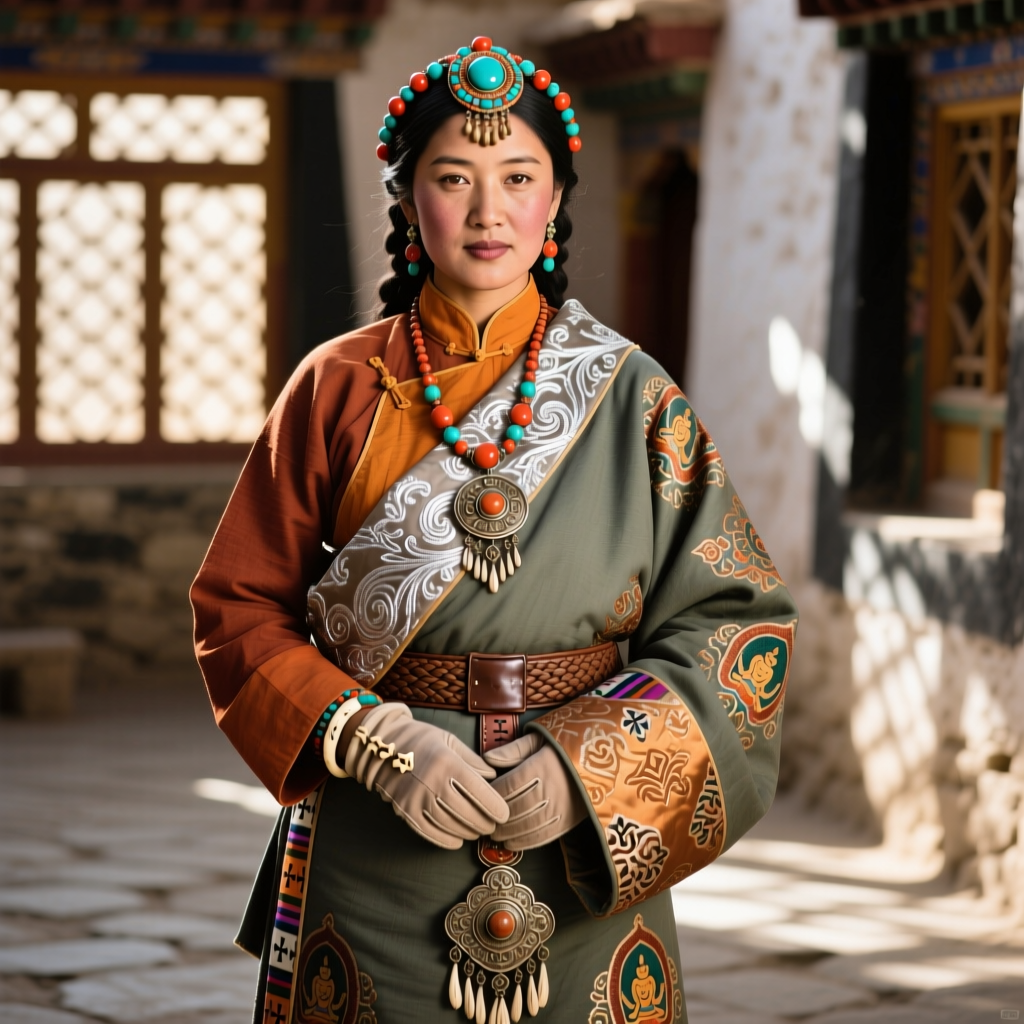
High in the Indian Himalayas, where prayer flags flutter against stark mountain landscapes and ancient monasteries cling to cliffsides, Ladakh has cultivated one of the most distinctive sartorial traditions in all of Asia. The traditional costumes and accessories of this remote region are not merely garments — they are woven narratives of survival, spirituality, social identity, and artistic mastery passed down through countless generations. For anyone drawn to the intersection of culture and clothing, Ladakhi attire offers a masterclass in how environment, belief, and community shape what we wear.
Whether you are a fashion enthusiast seeking to incorporate Himalayan elements into your wardrobe, a cultural traveler preparing for a journey to Leh, or a collector of heritage textiles, understanding the layers of meaning behind each garment and ornament will deepen your appreciation immeasurably. This guide explores the essential pieces of traditional Ladakhi dress, how they are styled for various occasions, and how contemporary designers and wearers are keeping these traditions vibrantly alive.
The Essential Garments: Goncha, Sulma & the Layered Art of Ladakhi Dress
At the heart of every traditional Ladakhi wardrobe is the goncha, a voluminous robe-like garment that serves as the foundational piece for both men and women. Typically crafted from thick wool — often handwoven from the fleece of local sheep or the prized pashmina goat — the goncha is designed to provide warmth in a region where temperatures can plunge well below freezing for much of the year. The garment is wrapped around the body and secured at the waist with a sash or belt called a skeyrags, creating a silhouette that is both regal and practical.
For women, the goncha is often paired with a sulma, a flowing, ankle-length dress that features characteristic pleats and a fitted bodice. The sulma is typically made from vibrant fabrics — deep reds, rich maroons, and jewel-toned greens are especially popular — and is layered beneath or over the goncha depending on the season and occasion. The interplay of textures between the coarse wool of the goncha and the finer fabrics of the sulma creates a visually striking ensemble that speaks to the Ladakhi talent for functional beauty.
Men's traditional attire tends toward earthier tones, with gonchas in shades of brown, grey, and undyed wool being common for everyday wear. For ceremonial occasions, however, men don gonchas of deep maroon or black, often trimmed with brocade or silk piping. The waist sash is tied with precision, and its knot style can indicate regional origin, age group, and even marital status — a subtle language woven into the very act of getting dressed.
Layering is essential in Ladakhi styling, not only for warmth but for visual richness. A typical ensemble might include an inner cotton or silk kurta, the sulma or goncha as the primary layer, and an additional shawl or cloak for outdoor wear. This approach to dressing — building an outfit through considered layers — is a principle that translates beautifully into modern wardrobes. Explore our guide to layering traditional garments for more inspiration on adapting these techniques.
Perak, Turquoise & Silver: The Iconic Accessories of Ladakh
No discussion of Ladakhi attire is complete without the perak — arguably the most iconic and culturally significant accessory in the entire Himalayan region. The perak is a heavy, elaborate headdress worn by Ladakhi women, constructed from a thick leather base that is studded with turquoise stones, coral, silver ornaments, and sometimes pearls or amber. The perak drapes from the crown of the head down the back, often reaching the waist, and can weigh several kilograms. It is both a personal adornment and a family heirloom, with stones and silver pieces added over generations, making each perak a unique archive of a family's history and prosperity.
The turquoise used in peraks and other Ladakhi jewelry is not chosen merely for its beauty. In Tibetan Buddhist tradition, turquoise is believed to offer protection, promote health, and attract good fortune. The deeper and more uniform the blue-green hue, the more valued the stone. Coral, with its warm red-orange tones, provides a striking contrast and is associated with life force and vitality. Together, these materials create a color palette that is instantly recognizable as Ladakhi.
Beyond the perak, Ladakhi women adorn themselves with an array of silver jewelry. Heavy silver ga'u (amulet boxes) are worn as pendants, often containing sacred texts or blessed substances. Chunky silver bracelets, ankle bangles, and elaborate earrings featuring turquoise inlays complete the ensemble. Men, too, wear silver accessories — amulet boxes, rings set with turquoise or coral, and ornate silver buckles for their waist sashes.
For those interested in incorporating these accessories into contemporary styling, consider pairing a single statement piece — such as a turquoise-and-silver pendant or a coral-inlaid bracelet — with minimalist modern clothing. The contrast between the ornate Himalayan craftsmanship and clean, contemporary lines creates a look that honors the heritage of the piece without overwhelming the overall outfit. Our Himalayan jewelry styling guide offers more ideas for integrating these treasures into everyday wear.
Dressing for Occasions: Festivals, Weddings & Daily Life
Ladakhi attire varies significantly depending on the occasion, and understanding these distinctions is key to appreciating the full spectrum of the region's sartorial culture.
Festival Dress
During festivals such as Losar (the Ladakhi New Year) and the Hemis Festival, traditional dress reaches its most magnificent expression. Women wear their finest gonchas, often made from silk brocade or velvet, and don their family peraks with pride. Men wear elaborately embroidered gonchas with silk sashes and tall, fur-trimmed hats called tipi or the distinctive lama hat in maroon and gold. The vibrant colors and rich textures of festival attire against the backdrop of monastery courtyards and mountain scenery create some of the most photographed cultural scenes in the world.
Wedding Attire
Ladakhi wedding costumes are among the most elaborate in the region. The bride typically wears a goncha of fine silk or brocade in auspicious colors — red, gold, and deep maroon dominate — layered with multiple shawls and adorned with the family perak along with additional silver and turquoise jewelry. The groom's attire is equally impressive, often featuring a specially woven goncha with intricate embroidery and a ceremonial sash. The exchange of specific garments and accessories between families is an integral part of the wedding ritual, symbolizing the union of two lineages.
Everyday Wear
In daily life, particularly in rural Ladakh, traditional dress remains practical and prevalent. Simpler gonchas of sturdy wool, paired with sturdy boots and minimal jewelry, are the working attire of farmers, herders, and artisans. The simplicity of everyday Ladakhi dress reveals the elegance of its construction — clean lines, generous proportions, and fabrics that age beautifully with wear.
Understanding these tiers of formality helps modern wearers approach Ladakhi-inspired styling with cultural sensitivity. A simple wool wrap coat inspired by the goncha's silhouette is appropriate for everyday fashion, while reserving more ornate, jewelry-heavy looks for special occasions mirrors the Ladakhi approach naturally. For more on how cultural context shapes styling choices, visit our exploration of clothing as cultural identity.
Modern Adaptations: Bringing Ladakhi Style into Contemporary Wardrobes
The global fashion community has increasingly turned its attention to Himalayan textiles and design elements, and Ladakhi style is no exception. Contemporary designers — both from within Ladakh and internationally — are finding innovative ways to honor traditional craftsmanship while creating pieces suited to modern life.
One of the most exciting developments is the rise of Ladakhi designers who are reimagining the goncha as a modern coat or wrap dress, using traditional weaving techniques but updating the silhouette with tailored fits, contemporary color palettes, and lighter-weight fabrics suitable for milder climates. Pashmina and cashmere shawls woven in the Ladakhi tradition have long been international fashion staples, but newer interpretations are incorporating traditional Ladakhi motifs — such as the endless knot, lotus, and cloud patterns — into modern accessories like scarves, bags, and even footwear.
For the home sewer or DIY enthusiast, Ladakhi textile traditions offer rich inspiration. Hand-weaving techniques, natural dyeing methods using locally sourced plants and minerals, and traditional embroidery stitches can be adapted for contemporary projects. The Ladakhi approach to sustainability — repairing, reweaving, and passing garments down through generations — aligns perfectly with the growing slow fashion movement. Our guide to sustainable traditional textiles delves deeper into these practices.
When incorporating Ladakhi elements into your wardrobe, the guiding principle should be respect and authenticity. Seek out pieces made by Ladakhi artisans or cooperatives, learn the stories behind the motifs and techniques, and wear these items with an understanding of their cultural significance. This approach transforms a fashion choice into a meaningful connection with one of the world's most remarkable textile traditions.
Buying Guide: Where & How to Source Authentic Ladakhi Garments & Accessories
If you are looking to add authentic Ladakhi pieces to your collection, knowing where and how to shop is essential to ensuring quality, fair pricing, and ethical sourcing.
Leh Main Bazaar and Moti Bazaar: The markets of Leh remain the best place to find authentic Ladakhi garments and accessories. Here you will find family-run shops selling handwoven gonchas, pashmina shawls, silver jewelry set with turquoise and coral, and vintage peraks. Bargaining is expected, but approach it respectfully — these are handcrafted items representing significant labor and heritage.
Women's Alliance of Ladakh: This organization runs a shop and weaving center in Leh that sells garments and textiles made by local women. Purchasing here directly supports the preservation of traditional weaving techniques and provides fair wages to artisans. Their collection typically includes woolen gonchas, hand-knitted socks, and woven shawls.
Ladakh Arts & Crafts Cooperatives: Several cooperatives across the region specialize in specific crafts — silverwork in Leh, pashmina weaving in Changthang, and wool textiles in rural villages. Researching these cooperatives before your visit allows you to target the specific pieces you are seeking.
Online Sourcing: While buying in person is always preferable for high-value items like peraks and antique jewelry, several reputable online platforms connect buyers with Ladakhi artisans. Look for sellers who provide detailed information about materials, construction methods, and the artisan or community behind each piece. Avoid mass-produced imitations that appropriate Ladakhi designs without benefiting the source communities.
What to Look For:
- Genuine turquoise should feel cool to the touch and display natural variations in color — perfectly uniform stones are likely synthetic
- Handwoven wool should have a slightly irregular texture that speaks to its handmade origin
- Silver pieces should be stamped or hallmarked, and reputable sellers will disclose the silver purity
- Pashmina can be tested by pulling a thread through a ring — genuine pashmina is fine enough to pass through easily
Price Expectations: Authentic Ladakhi garments and accessories represent significant investments. A handwoven wool goncha may range from moderate to premium pricing depending on the fineness of the weave and quality of materials. Silver and turquoise jewelry varies widely based on the age, size, and quality of the stones. Vintage peraks, when they become available, command premium prices due to their rarity and the value of their constituent materials. For a comprehensive overview of garment pricing and value, see our guide to evaluating traditional garment quality.
Frequently Asked Questions
What is the cultural significance of the perak headdress in Ladakhi tradition?
The perak is far more than a decorative accessory — it is a symbol of a Ladakhi woman's family wealth, social standing, and cultural identity. Traditionally, a perak is passed from mother to daughter, with new turquoise stones, coral, and silver pieces added over the years to mark significant life events such as marriages, births, and festivals. The number and quality of turquoise stones on a perak historically indicated the family's prosperity. In some communities, the perak was considered so important that a woman without one was not considered fully dressed for public or ceremonial appearances. Today, the perak remains a powerful emblem of Ladakhi cultural continuity and feminine identity.
Can non-Ladakhi people wear traditional Ladakhi garments respectfully?
Yes, wearing Ladakhi garments can be done respectfully when approached with genuine appreciation and understanding. The key principles are to purchase from authentic sources that benefit Ladakhi communities, to learn about the cultural significance of the pieces you wear, and to avoid wearing sacred or ceremonial items (such as specific monastic garments or ritual accessories) without proper context. Wearing a handwoven Ladakhi shawl or a goncha-inspired coat purchased from a local artisan cooperative is generally welcomed, as it supports the continuation of these craft traditions. When visiting Ladakh, you may even be invited to try on traditional dress by local hosts — accepting such invitations graciously is a wonderful way to engage with the culture.
What fabrics and materials are traditionally used in Ladakhi costumes?
Traditional Ladakhi costumes rely on materials suited to the extreme Himalayan climate. The primary fabric is handwoven wool from local sheep, known for its warmth and durability. For finer garments, pashmina (cashmere wool from the Changthangi goat) and silk — historically obtained through trade routes connecting Ladakh to Central Asia and the Indian subcontinent — are used. Nambu, a thick, handwoven woolen fabric, is the most common material for everyday gonchas. Accessories feature turquoise (sourced historically from Tibet and Persia), coral (from Mediterranean trade), silver, amber, and pearls. Leather and sheepskin are used for boots, hats, and the base structure of the perak. The reliance on natural, locally available materials is a defining characteristic of Ladakhi textile tradition.
How has modernization affected traditional Ladakhi dress?
Modernization has brought both challenges and opportunities to Ladakhi dress traditions. In urban Leh, Western clothing has become common for everyday wear, particularly among younger generations, leading to concerns about the potential erosion of traditional textile knowledge. However, there has also been a powerful revival movement. Cultural organizations, local designers, and community initiatives are actively working to preserve weaving techniques, natural dyeing methods, and jewelry-making skills. Traditional dress remains firmly established for festivals, weddings, and religious ceremonies. Additionally, the growing interest in sustainable and artisanal fashion has created new economic opportunities for Ladakhi craftspeople, incentivizing the continuation of traditional practices while allowing for creative evolution.
Where can I learn more about the textile heritage of the Himalayan region?
Beyond visiting Ladakh itself — which offers an unparalleled immersive experience — there are several excellent resources for deepening your knowledge. The Central Institute of Buddhist Studies in Leh and the Ladakh Museum both feature textile collections and cultural exhibits. Organizations such as the Women's Alliance of Ladakh and the Ladakh Arts and Media Organisation (LAMO) offer workshops and educational programs. For a broader exploration of Himalayan garment traditions, our comprehensive guide to Himalayan textile traditions covers the interconnected weaving cultures of Ladakh, Tibet, Nepal, and Bhutan, tracing the trade routes, shared motifs, and distinct regional variations that make this one of the world's richest textile landscapes.

