Modern Kimono Styling: A Contemporary Guide to Wearing Japan's Iconic Garment
Modern Kimono Styling: A Contemporary Guide to Wearing Japan's Iconic Garment
The kimono is one of the most recognizable garments in the world — a symbol of Japanese artistry, craftsmanship, and cultural depth. For centuries, it served as the everyday clothing of Japan, evolving through dynasties, wars, and revolutions while retaining its essential silhouette: a T-shaped robe wrapped left over right, secured with an obi sash, and finished with meticulous attention to detail.
Today, the kimono is experiencing a renaissance far beyond the borders of Japan. Fashion enthusiasts, designers, and style-conscious individuals around the globe are embracing the kimono not as a costume or a relic, but as a living garment that can be styled, adapted, and integrated into modern wardrobes. Whether you are drawn to the bold graphics of a vintage haori jacket, the fluid elegance of a silk yukata, or the structured drama of a full kimono ensemble, there has never been a more exciting time to explore modern kimono styling.
This guide walks you through everything you need to know about wearing a kimono in a contemporary context — from essential styling techniques and accessory pairings to occasion-appropriate choices and where to find quality pieces. Whether you are a seasoned collector or a curious newcomer, these insights will help you wear the kimono with confidence, respect, and personal flair.
Essential Modern Kimono Styling Techniques
The foundation of any great kimono look lies in how the garment is worn. Traditional kimono dressing — known as kitsuke — is an art form unto itself, often requiring years of study to master. However, modern styling allows for more flexibility, encouraging wearers to honor the garment's structure while adapting it to contemporary life.
Understanding the Silhouette
The traditional kimono silhouette is deliberately straight and columnar, concealing the body's natural curves. This is achieved through careful padding and wrapping techniques. In modern styling, you have the freedom to decide how closely you want to adhere to this ideal. A relaxed, slightly unstructured look can feel effortlessly chic for casual settings, while a more formal, precise silhouette commands attention at special events.
Start by ensuring the kimono wraps correctly: always left panel over right. The reverse — right over left — is reserved exclusively for dressing the deceased and is considered deeply inappropriate in any other context. The hem should fall at or just above the ankle for a traditional look, though modern adaptations sometimes allow for shorter lengths when styled as outerwear or layered over trousers.
The Art of the Obi
The obi is the wide sash that cinches the kimono at the waist, and it is arguably the most transformative element of the entire ensemble. A well-chosen obi can elevate a simple kimono into a statement outfit. Traditional obi knots — such as the taiko musubi (drum knot) or bunko musubi (bow knot) — each carry their own formality levels and visual impact.
For modern styling, consider these approaches:
- Simplified obi wraps: Use a pre-tied obi or a slim, belt-style sash for a streamlined, contemporary look that is easier to manage for beginners.
- Contrast styling: Pair a muted, understated kimono with a boldly patterned or brightly colored obi to create a focal point.
- Non-traditional materials: Leather belts, woven textile sashes, and even repurposed scarves can serve as modern obi alternatives for casual kimono styling.
Layering for Depth and Dimension
Layering is where modern kimono styling truly shines. The traditional ensemble already involves multiple layers — the nagajuban (under-robe), the kimono itself, and various accessories — but contemporary styling invites you to experiment further. Try wearing a turtleneck or fitted sweater beneath a kimono for a sleek cold-weather look. Drape a kimono open over a simple dress, or layer a haori jacket over jeans and a t-shirt for an effortlessly cool juxtaposition of Eastern and Western fashion traditions.
For those interested in the deeper history of layered garment traditions across cultures, our guide to Japanese garment traditions offers a rich exploration of how layering has been central to Japanese dress for over a millennium.
Accessories That Complete the Modern Kimono Look
No kimono ensemble is complete without thoughtful accessories. The right finishing touches can bridge the gap between traditional elegance and modern personal style, transforming a beautiful garment into a fully realized outfit.
Footwear: From Zori to Modern Alternatives
Traditional kimono footwear includes zori (flat sandals with a thong strap) and geta (elevated wooden sandals). Both are worn with tabi socks, which feature a separation between the big toe and the remaining toes. For formal occasions, these remain the gold standard.
However, modern kimono styling opens the door to a wider range of footwear options. Minimalist leather sandals, sleek ankle boots, and even clean white sneakers can complement a kimono beautifully, particularly in casual or streetwear-inspired contexts. The key is proportion and intentionality — choose footwear that feels deliberate rather than haphazard.
Hair Accessories and Jewelry
Traditional kanzashi — ornamental hairpins often crafted from silk, lacquer, or tortoiseshell — add a refined touch to any kimono ensemble. For modern styling, you might opt for simpler hair accessories: a minimalist metal cuff, a sleek barrette, or a silk ribbon tied at the nape. The goal is to echo the elegance of the kimono without overwhelming it.
Jewelry should be chosen with care. Because kimonos are often richly patterned and texturally complex, understated jewelry tends to work best. Delicate gold or silver pieces, small stud earrings, and simple rings complement rather than compete with the garment. Statement jewelry can work in editorial or fashion-forward contexts, but it requires a confident hand.
Bags and Carrying Accessories
Traditional kimono ensembles are often paired with a kinchaku (drawstring pouch) or a small, structured handbag. Modern styling allows for greater versatility — a structured leather clutch, a woven tote, or even a minimalist crossbody bag can work beautifully. Choose bags with clean lines and consider how the material and color interact with your kimono's palette.
For a deeper look at how accessories have shaped garment styling across different traditions, explore our comprehensive accessories styling guide for inspiration that transcends any single cultural context.
Occasions for Modern Kimono Wear
One of the most common questions new kimono enthusiasts ask is: where can I actually wear this? The answer is broader than you might think. The kimono's versatility means it can be styled for a remarkable range of occasions, from casual outings to formal celebrations.
Casual and Everyday Styling
The yukata — a lightweight cotton kimono traditionally worn during summer festivals — is the most accessible entry point for casual kimono wear. Yukata are relatively easy to put on, comfortable in warm weather, and widely available in an enormous range of patterns and colors. Pair a yukata with simple sandals and a canvas tote for a market visit, a garden stroll, or a casual lunch.
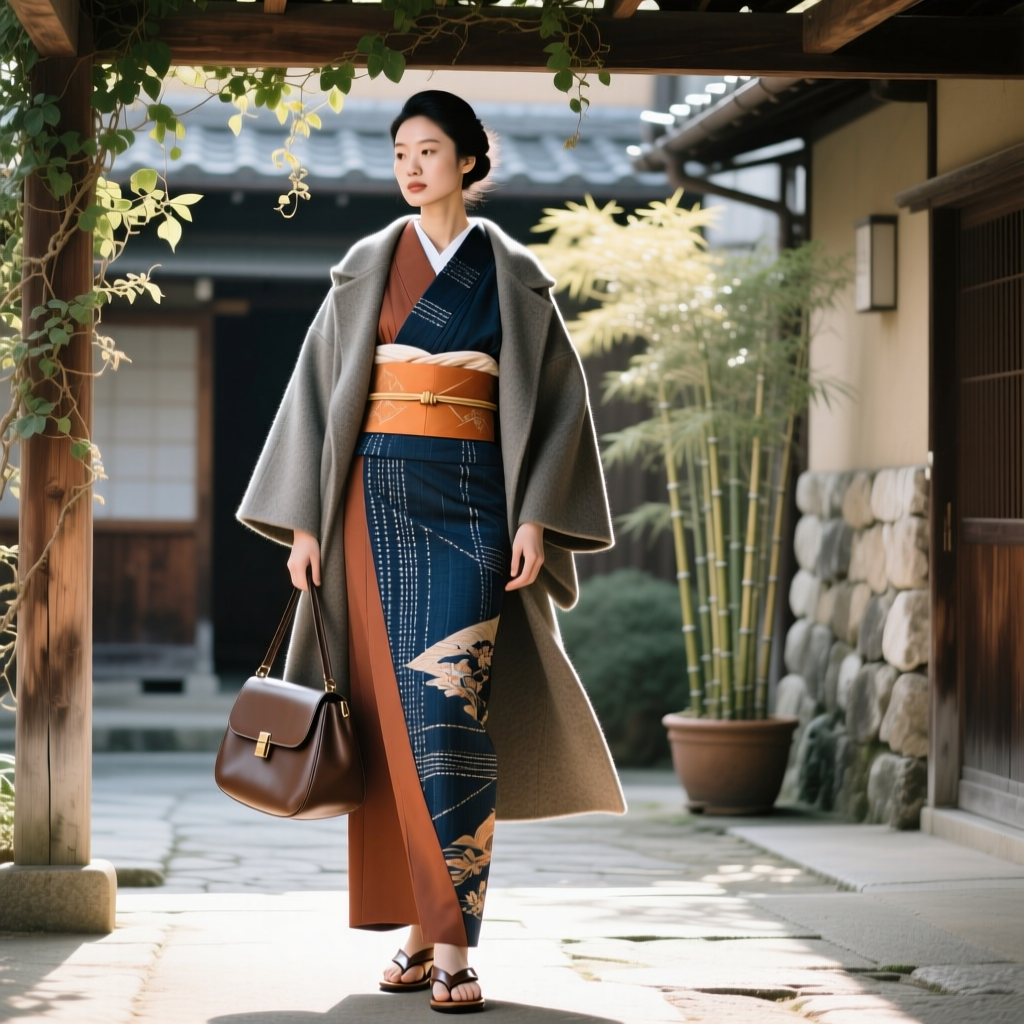
Beyond the yukata, a vintage or reproduction kimono can be styled as a duster coat or open-front layer over everyday clothing. This approach works beautifully for creative professionals, artists, and anyone who enjoys expressing individuality through their wardrobe. Throw a silk kimono over a monochrome outfit of tailored trousers and a fitted top, and you have an ensemble that is both polished and deeply personal.
Semi-Formal and Social Events
For dinners, gallery openings, theater visits, and social gatherings, a semi-formal kimono such as a komon (a kimono with a small, repeating pattern) or an iro-muji (a solid-colored kimono in any shade other than black) strikes the perfect balance between elegance and approachability. These garments can be dressed up or down depending on your choice of obi, accessories, and footwear.
A semi-formal kimono look benefits from attention to coordination. Choose an obi that complements rather than clashes with your kimono's dominant colors. Ensure your obi-age (sash scarf) and obi-jime (decorative cord) are harmonious with the overall palette. These small details signal intentionality and care.
Formal and Ceremonial Occasions
At the most formal end of the spectrum, garments like the furisode (with long, swinging sleeves worn by unmarried women), the tomesode (worn by married women at weddings and ceremonies), and the hōmongi (a visiting kimono suitable for a range of formal events) represent the pinnacle of kimono artistry. These garments are typically made from high-quality silk, feature hand-painted or woven designs, and are worn with a full complement of traditional accessories.
Wearing a formal kimono outside of Japan — to a wedding, a cultural celebration, or a gala — is a powerful way to honor the garment's heritage while participating in contemporary life. If you are new to formal kimono dressing, consider seeking guidance from a kitsuke instructor or a knowledgeable friend, as the layering and tying involved can be complex. Our formal kimono types guide provides a detailed breakdown of each garment category and its appropriate occasions.
Modern Adaptations: The Kimono in Contemporary Fashion
The kimono's influence on global fashion is profound and enduring. From the Japonisme movement of the late 19th century to the runways of today's most influential designers, the kimono's silhouette, construction philosophy, and aesthetic principles have been endlessly reinterpreted. Understanding these modern adaptations helps contextualize the kimono within the broader fashion landscape and opens up exciting styling possibilities.
Kimono-Inspired Outerwear
One of the most popular modern adaptations is the kimono-style jacket or coat. These garments borrow the kimono's wide sleeves, open front, and fluid drape while often simplifying the construction for everyday wear. A kimono-style coat in wool or cashmere makes a stunning winter layer, while a sheer, flowing kimono jacket in chiffon or organza adds drama to a summer evening outfit.
The haori — a shorter kimono jacket traditionally worn over the kimono — has become particularly popular as a standalone piece in modern wardrobes. Vintage haori, with their rich silk fabrics and hidden lining art (known as hiyoku), are treasured by collectors and stylists alike. Worn open over a simple dress or paired with tailored separates, a haori bridges the gap between cultural garment and contemporary fashion piece with remarkable ease.
Streetwear and Fusion Styling
The intersection of kimono and streetwear has produced some of the most exciting fashion moments in recent years. Japanese brands and global designers alike have embraced the kimono's graphic potential, reimagining traditional motifs — cherry blossoms, cranes, waves, and geometric patterns — in bold, oversized, and deconstructed formats.
Fusion styling might involve pairing a vintage kimono top with wide-leg denim, wearing a kimono belt over an oversized blazer, or combining a traditional obi with a modern midi skirt. The contrast between old and new, structured and fluid, traditional and avant-garde creates a visual tension that is inherently compelling.
For those interested in how traditional garments from various cultures have been adapted into modern fashion, our cultural heritage and modern fashion resource explores these intersections in depth.
Sustainable and Upcycled Kimono Fashion
The growing movement toward sustainable fashion has brought renewed attention to the kimono. Vintage and secondhand kimonos are abundant, and their high-quality silk fabrics represent an incredible resource for upcycling. Designers and DIY enthusiasts are transforming damaged or stained kimonos into new garments — skirts, blouses, scarves, and accessories — giving these textiles a second life while reducing waste.
Even intact kimonos contribute to sustainability. Because they are constructed from straight cuts of fabric with minimal waste, the kimono represents a model of garment construction that stands in stark contrast to the cut-and-sew waste of fast fashion. Embracing kimono styling is, in many ways, an inherently sustainable choice — particularly when you invest in vintage or artisan-made pieces built to last generations.
Buying Guide: How to Choose and Source a Modern Kimono
Whether you are purchasing your first kimono or adding to an existing collection, knowing what to look for and where to shop makes all the difference. The kimono market is vast, spanning mass-produced reproductions, artisan-crafted originals, and a thriving vintage trade.
Choosing the Right Kimono for Your Needs
Before making a purchase, consider how you plan to wear the kimono. If you want a casual, easy-to-style piece for everyday wear, a cotton yukata or a casual komon kimono is an excellent starting point. These are generally more affordable, easier to care for, and forgiving for beginners learning to dress themselves.
For semi-formal or formal occasions, look for silk kimonos with quality construction. Check the lining — a well-made kimono will have a smooth, properly attached lining (usually in silk or a silk blend). Examine the seams for even stitching, and inspect the fabric for stains, tears, or weakening, particularly along fold lines where age-related damage is most common in vintage pieces.
Consider sizing carefully. Traditional kimonos are made from standard-width bolts of fabric (called tanmono), which limits the range of available sizes. Most vintage kimonos were made for individuals of relatively petite stature. If you are taller or broader, look for modern reproductions made with wider fabric panels, or explore custom-order options from contemporary kimono makers.
Where to Buy
There are several reliable avenues for purchasing kimonos, each with its own advantages:
- Specialist online retailers: Numerous reputable dealers specialize in both new and vintage kimonos, offering detailed descriptions, measurements, and condition reports. These are often the safest option for beginners.
- Auction platforms and marketplaces: Sites like eBay and Etsy host a wide range of kimono sellers. Look for vendors with strong reviews and detailed product photography. Be cautious of listings that use the term "kimono" loosely to describe robes or cardigans that bear little resemblance to the actual garment.
- Japanese vintage shops: If you have the opportunity to visit Japan, the vintage kimono shops in cities like Kyoto, Tokyo, and Kanazawa offer an unparalleled selection. Many shops also sell online or can arrange international shipping.
- Direct from artisans: For those seeking new, handcrafted kimonos, connecting directly with artisans and workshops in Japan ensures authenticity and supports traditional craftsmanship. Several organizations facilitate these connections for international buyers.
Price Expectations and Investment Value
Kimono prices vary enormously. A basic cotton yukata can be found for $30–$80, while a casual vintage silk kimono might range from $50–$200 depending on condition and design. Semi-formal and formal silk kimonos typically start around $200–$500 for vintage pieces, with new, artisan-made formal kimonos reaching several thousand dollars.
When evaluating price, consider the garment as an investment. A well-cared-for silk kimono can last for decades and even appreciate in value, particularly if it features notable craftsmanship such as hand-painted yūzen dyeing, intricate shibori tie-dye, or gold leaf application. For more information on evaluating quality and craftsmanship, visit our kimono fabric and craftsmanship guide.
Frequently Asked Questions
Is it culturally appropriate for non-Japanese people to wear a kimono?
This is one of the most common and important questions in modern kimono discourse. Generally, the consensus among Japanese cultural practitioners and kimono enthusiasts is that wearing a kimono with respect, understanding, and genuine appreciation is welcomed and even encouraged. The kimono industry in Japan has actively sought international audiences, and many Japanese people are delighted to see their cultural garments appreciated globally. The key distinction lies in intent and execution: wearing a kimono as a thoughtful, informed styling choice is very different from wearing it as a costume or caricature. Take the time to learn proper wrapping direction, understand basic formality levels, and approach the garment with the same respect you would afford any significant cultural artifact.
How do I care for and store a silk kimono?
Silk kimonos require careful handling to preserve their beauty and longevity. Avoid washing silk kimonos at home; instead, seek out a dry cleaner experienced with delicate and traditional garments. Between wears, air your kimono by hanging it on a wide, padded hanger in a shaded, well-ventilated area for a few hours. For long-term storage, fold the kimono along its original seam lines and wrap it in acid-free tissue paper or a clean cotton cloth. Store it in a cool, dry place away from direct sunlight, which can fade the dyes. Include silica gel packets or cedar blocks to manage moisture and deter insects. Properly stored, a silk kimono can remain in beautiful condition for generations.
What is the difference between a kimono and a yukata?
A yukata is a specific type of kimono — the most casual and accessible variety. The primary differences lie in fabric, construction, and formality. A yukata is made from lightweight cotton or cotton-blend fabric, is typically unlined, and is designed for warm-weather wear. It is simpler to put on than a formal kimono, requiring fewer undergarments and accessories. A standard kimono, by contrast, is usually made from silk (or silk-blend fabrics), is lined, and involves a more complex dressing process with additional layers and accessories. Think of the yukata as the kimono's relaxed, everyday cousin — perfect for festivals, lounging, and casual outings, while a full kimono ensemble is reserved for more formal or deliberate styling occasions.
Can I wear a kimono with Western-style clothing?
Absolutely. In fact, mixing kimono elements with Western clothing is one of the most exciting and accessible approaches to modern kimono styling. A haori jacket over jeans and a simple tee creates an effortlessly cool layered look. A kimono worn open as a duster coat over a slip dress blends Eastern elegance with Western minimalism. You might pair a vintage obi with a modern blouse and high-waisted trousers, using the sash as a statement belt. The key to successful fusion styling is balance — let the kimono piece be the focal point and keep the surrounding garments relatively simple and clean-lined. This approach allows the beauty and craftsmanship of the kimono to shine while grounding the outfit in contemporary wearability.
How do I know what size kimono to buy?
Kimono sizing works differently from Western clothing. Rather than standard sizes (S, M, L), kimonos are measured by specific dimensions: the mitake (back length from the base of the neck to the hem), the yuki (sleeve-to-sleeve measurement from center back), and the hip width. When shopping online, always request or consult the garment's specific measurements. As a general rule, the kimono's back length should be roughly equal to your height minus the distance from your neck base to the top of your head — meaning the hem should fall near your ankle. The yuki measurement should allow the sleeve to extend to roughly your wrist bone when your arm is extended. Many vintage kimonos were made for individuals between 150–160 cm (approximately 4'11"–5'3"), so taller individuals may need to seek out modern reproductions or specifically listed larger sizes. Our kimono sizing guide provides detailed measurement instructions and conversion charts to help you find the right fit.
Modern kimono styling is, at its heart, a conversation between past and present — a way of honoring centuries of textile artistry while expressing your own unique identity. Whether you choose to wear a full traditional ensemble, drape a vintage haori over your favorite jeans, or commission a custom piece from a contemporary artisan, the kimono offers a depth of beauty and meaning that few garments can match. Approach it with curiosity, wear it with confidence, and let this extraordinary garment become a meaningful part of your personal style story.