The Ultimate Guide to the Best Traditional Wear for Women: Styling, Heritage & Modern Elegance
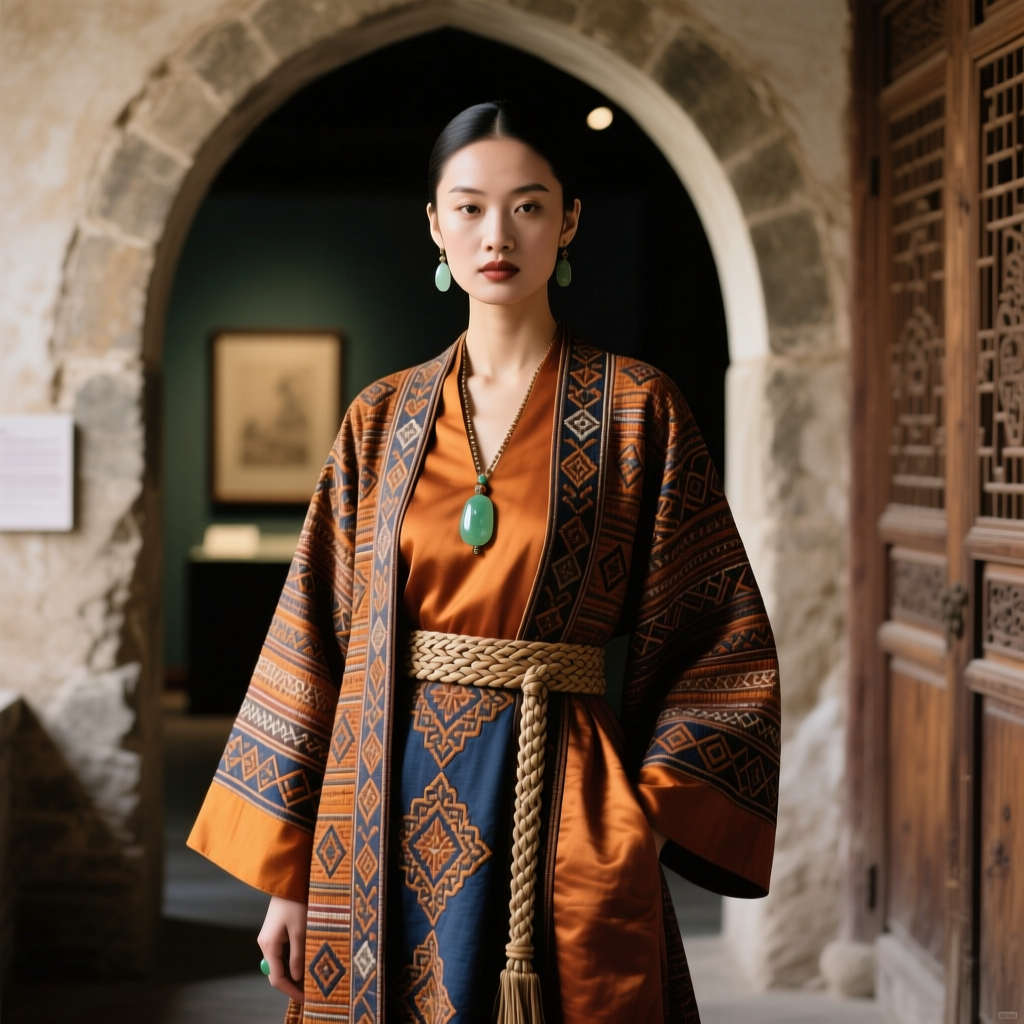
Traditional clothing is far more than just fabric stitched together; it is a wearable archive of history, culture, and artisanal mastery. For women, the best traditional wear offers a profound connection to heritage while providing an unparalleled canvas for personal expression. In an era dominated by fleeting fast-fashion trends, embracing traditional garments is a powerful style statement that champions sustainability, craftsmanship, and timeless elegance. Whether you are draping six yards of handwoven silk, stepping into a structured kimono, or slipping into a flowing kaftan, traditional wear allows you to carry the legacy of generations with a distinctly modern flair.
At The Garment Atlas, we believe that heritage fashion should not be confined to museums or rare ceremonial events. By understanding the nuances of drape, texture, and silhouette, you can seamlessly integrate these magnificent garments into your contemporary wardrobe. Below, we explore the best traditional wear for women, offering practical styling advice, accessory pairings, and a mindful buying guide to help you navigate the world of global heritage fashion.
Timeless Silhouettes: Choosing the Right Traditional Garment
The foundation of any heritage-inspired wardrobe lies in understanding the iconic silhouettes that have defined cultures for centuries. Each garment tells a unique story through its construction, fabric, and method of wear.
The Saree: Perhaps the most versatile of all global traditional drapes, the saree is an unstitched marvel that flatters every body type. From the rich, heavy silks of Kanjeevaram to the breezy, everyday elegance of Bengali cottons, the saree offers endless possibilities. For a deep dive into regional variations, exploring the history of the saree reveals how geography and climate influenced the evolution of this iconic garment.
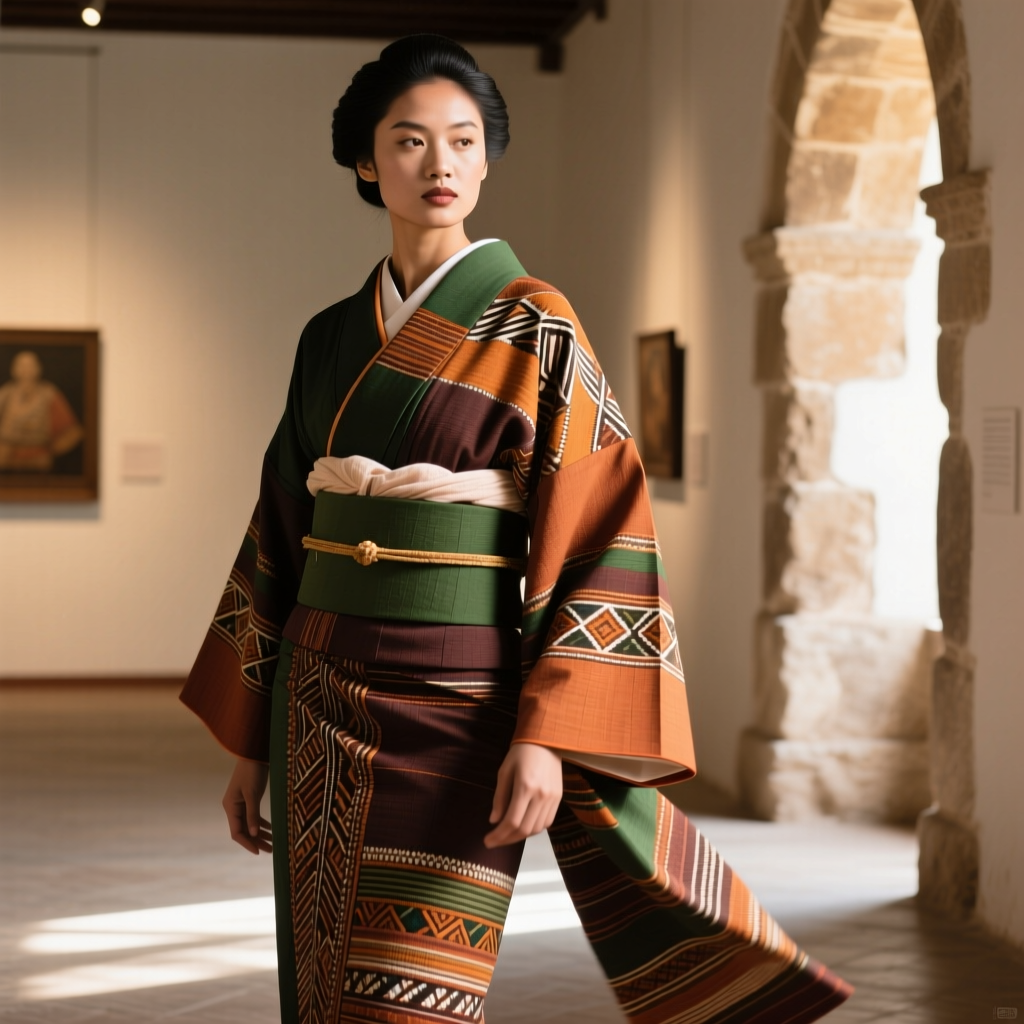
The Kimono: Originating from Japan, the kimono is a masterclass in structure and symbolism. Characterized by its T-shape, straight seams, and wide obi belt, the kimono demands a specific posture and grace. The evolution of the kimono showcases how seasonal motifs and family crests (kamon) are woven directly into the fabric, making each piece a deeply personal artifact.
The Hanbok: Korea’s traditional attire is celebrated for its vibrant colors and elegant, flowing lines. The women’s hanbok consists of the jeogori (a short jacket) and the chima (a full, wrap-around skirt). The high waistline of the chima creates a bell-like silhouette that is both modest and incredibly regal, allowing for ease of movement while maintaining a striking visual presence.
The Kaftan: With roots tracing back to ancient Mesopotamia and popularized across the Middle East and North Africa, the kaftan is the epitome of relaxed luxury. Often crafted from lightweight silks, cottons, or velvets, and adorned with intricate metallic embroidery, the kaftan is a masterful blend of comfort and opulence, perfect for warm climates and grand evening gatherings alike.
Styling Tips for a Contemporary Edge
Wearing traditional clothing in a modern context requires a delicate balance. The goal is to look effortlessly chic, avoiding the appearance of wearing a costume. Here is how to style heritage pieces for today’s world.
Master the Art of Contrast: If your traditional garment is heavily embroidered or features loud, vibrant prints, keep the rest of your styling minimalist. Pair a heavily embellished silk skirt with a simple, well-fitted silk camisole or a crisp white button-down shirt. This juxtaposition of traditional opulence and modern minimalism creates a striking, fashion-forward look.
Play with Proportions: Traditional wear often features voluminous silhouettes. To prevent the fabric from overwhelming your frame, define your waist. A wide leather belt over a flowing kaftan or a structured corset belt over a tunic can instantly modernize the silhouette and add a contemporary edge to ancient designs.
Layering for Versatility: Do not let the seasons dictate when you wear your heritage pieces. In cooler months, layer a sleeveless traditional dress over a fine-knit turtleneck. Alternatively, wear a structured blazer over a delicate silk tunic. Layering bridges the gap between cultural attire and Western corporate or casual wear, making your traditional garments viable for year-round styling.
Accessorizing Heritage: Jewelry, Footwear & Bags
Accessories can either elevate a traditional outfit or clutter it. When styling the best traditional wear for women, the accessories should complement the garment’s inherent beauty without competing for attention.
Jewelry: Match the metal of your jewelry to the undertones of your garment’s embroidery. If your saree or kaftan features gold zari work, opt for antique gold or Kundan jewelry. For silver-threaded textiles, oxidized silver or pearl accents provide a stunning contrast. Remember the golden rule of traditional accessorizing: if you are wearing a heavy statement necklace, skip the heavy earrings, and vice versa.
Footwear: While traditional embroidered flats like mojris or juttis are beautiful, they are not your only option. For a modern twist, pair your traditional attire with sleek, pointed-toe pumps or minimalist strappy sandals. The clean lines of contemporary footwear ground the ornate nature of traditional textiles, creating a balanced, cosmopolitan aesthetic.
Handbags: Avoid overly casual bags like canvas totes or slouchy hobo bags when wearing formal traditional wear. Instead, opt for structured box clutches, metallic minaudières, or sleek top-handle bags. A structured bag adds a sharp, modern architectural element that contrasts beautifully with the fluid drape of heritage fabrics.
Dressing for the Occasion
Understanding the formality of traditional textiles is crucial for dressing appropriately. The best traditional wear for women spans a wide spectrum of events, from intimate daytime gatherings to grand evening galas.
Daytime & Casual Events: For brunches, cultural festivals, or daytime gatherings, opt for breathable fabrics like handloom cotton, linen, or raw silk. Pastel hues, earthy tones, and subtle block prints are ideal. A cotton saree with a minimal border or a lightweight, short kaftan offers elegance without the heaviness of formal wear.
Weddings & Festive Celebrations: This is the time to embrace opulence. Rich silks, velvets, and heavy brocades in jewel tones like emerald, ruby, and sapphire take center stage. Look for garments featuring intricate hand-embroidery, zardozi, or metallic thread work. This is also the perfect occasion to wear heirloom jewelry and fully embrace the grandeur of traditional styling.
Formal Galas & Black-Tie Events: Traditional wear is entirely appropriate for black-tie events if styled correctly. A floor-length, heavily embroidered anarkali or a pre-draped saree gown in a dark, monochromatic palette (like midnight blue or deep plum) exudes red-carpet glamour. Keep the styling sleek, with a sophisticated updo and statement diamond or polki jewelry.
Modern Adaptations & Fusion Wear
The evolution of heritage fashion has given rise to fusion wear—a brilliant intersection where traditional craftsmanship meets Western silhouettes. For those new to traditional clothing, fusion pieces are an excellent entry point. Our fusion fashion guide highlights several ways to embrace this trend.
Pre-Draped Sarees & Saree Gowns: These garments offer the visual impact of a traditional saree with the convenience of a Western gown. They feature pre-pleated skirts and attached pallus (drapes), often closing with hidden zippers, making them perfect for women who want the elegance of the drape without the learning curve.
Kimono Jackets & Duster Coats: A lightweight, silk kimono worn open as a duster coat over a simple slip dress, jeans, and a t-shirt is a phenomenal way to incorporate Japanese textile art into everyday street style. It adds movement, color, and a touch of global sophistication to basic wardrobes.
Skirts & Separates: Repurposing vintage textiles into modern separates is a growing trend. A lehenga skirt paired with a simple crop top, or a traditional brocade fabric tailored into a modern A-line midi skirt, allows you to showcase heritage weaves in a highly wearable, contemporary format.
The Conscious Buying Guide: Sourcing Authentic Traditional Wear
Investing in traditional clothing is an investment in art. However, the market is flooded with mass-produced, machine-made imitations. Here is how to ensure you are purchasing authentic, high-quality garments while supporting artisan communities.
Examine the Weave & Embroidery: Authentic handwoven and hand-embroidered garments possess a distinct character. When learning about identifying authentic handloom textiles, always check the reverse side of the fabric. Hand embroidery will look nearly as neat on the back as it does on the front, whereas machine embroidery often features messy thread jumps and harsh backing materials.
Understand the Fabric: Educate yourself on understanding silk weaves and natural fibers. Pure silk has a distinct luster that changes depending on the angle of light, while synthetic blends often have a flat, overly shiny appearance. Perform a burn test on a loose thread if possible; natural fibers like silk and cotton will smell like burning hair or paper and turn to ash, while synthetics will melt into a hard plastic bead.
Support Ethical Sourcing: Seek out brands, cooperatives, and boutiques that are transparent about their supply chains. Look for certifications like the Handloom Mark or Silk Mark, which guarantee the authenticity of the textile. Purchasing directly from artisan cooperatives or reputable heritage brands ensures that the weavers and embroiderers receive fair compensation for their painstaking labor.
Frequently Asked Questions
How do I care for delicate traditional fabrics like silk and brocade?
Delicate heritage fabrics require specialized care to maintain their luster and structural integrity. Always dry-clean heavily embroidered silks, brocades, and velvets. For everyday cottons and linens, gentle hand-washing in cold water with a mild, pH-neutral detergent is recommended. Never wring or twist the fabric; instead, roll it in a clean towel to absorb excess moisture and dry it in the shade to prevent the sun from fading the natural dyes. For comprehensive care routines, refer to our guide on delicate fabric maintenance.
Can I wear traditional clothing to a Western formal event?
Absolutely. Traditional garments like a well-tailored silk saree, an embroidered kaftan, or a structured hanbok-inspired gown are entirely appropriate for Western formal events, galas, and black-tie weddings. The key is in the styling: ensure the garment is impeccably tailored or draped, opt for sophisticated, minimalist jewelry, and style your hair and makeup in a polished, modern manner to bridge the cultural aesthetics seamlessly.
What is the best way to store heavy embroidered garments?
Heavy garments should never be hung on standard wire or plastic hangers, as the weight of the embroidery can distort the fabric and tear the shoulders. Instead, store them flat in a cool, dry place. Wrap the garments in unbleached, acid-free muslin cloth to allow the fibers to breathe while protecting them from dust and light. Avoid plastic covers, which can trap moisture and cause yellowing or mildew. Refold the garments every few months to prevent permanent crease lines from setting into the fibers.
How do I ensure I am culturally appreciating rather than appropriating?
Cultural appreciation involves a genuine desire to learn about and honor a culture’s heritage, whereas appropriation often involves taking elements out of context for mere aesthetics. To practice appreciation, educate yourself on the history and significance of the garment you are wearing. Purchase from authentic sources that support the originating community, wear the garment respectfully according to its traditional context (such as ensuring modesty where required), and be open to conversations about its cultural significance.
Where can I find authentic, ethically made traditional wear online?
The best way to find authentic traditional wear online is to research heritage brands, artisan cooperatives, and specialized boutiques that focus on slow fashion and textile preservation. Look for platforms that provide detailed information about the artisans, the weaving techniques used, and the geographical origin of the textiles. Reading reviews, verifying authenticity certifications, and engaging with brands that prioritize transparency will help you build a conscious, ethically sourced heritage wardrobe.